
Carmesí y cadena
  • 8
  • 0
  • 3
  • Read 8
  • 0
  • Part 3
Ongoing, First published May 24, 2026

La historia comienza con los primeros días de Chae Eun en la Universidad de Seoyul, cargada de encuentros incómodos y atención inquietante. Atraído a la órbita de figuras misteriosas, incluido el intenso Jeon Jungkook, cuya mirada teñida de carmesí despierta curiosidad y miedo, rápidamente se encuentra atrapada entre la fascinación y la intimidación..
Copyright: All Rights Reserved
No person is allowed to use, redistribute, or modify your work in any form without your explicit permission.
Recommended for you
23 Part
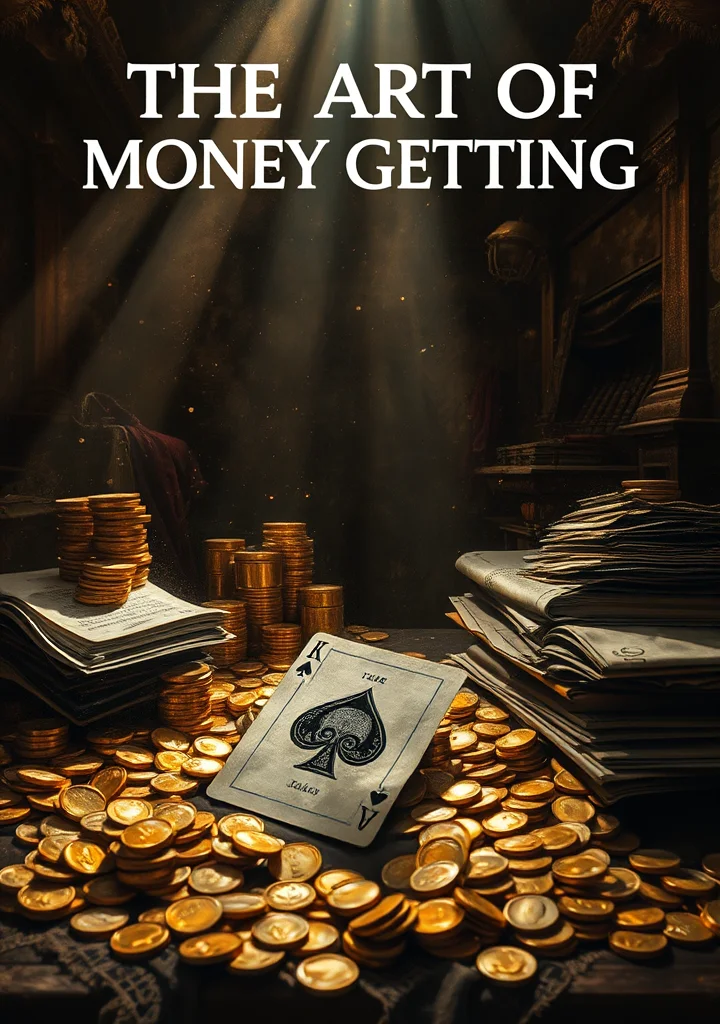
Dust motes dance in the perpetual twilight of a forgotten counting house, where the scent of old paper and decaying ambition clings to the shadowed walls. This is not a tale of simple acquisition, but a descent into the gilded rot of obsession. Barnum’s ‘Art’ unfolds as a fever dream of speculation—a labyrinthine city built on whispers and the crumbling facades of fortunes won and lost. Each chapter breathes with the chill of calculated risk, the suffocating velvet of confidence schemes, and the gnawing hunger for more than mere sustenance. The narrative is less a how-to manual and more a confession, scrawled in the blood of broken men and the hollow echoes of empty vaults. It’s a story of mirrors, reflecting not wealth, but the monstrous desires that feed it. A spectral ledger appears to haunt the pages, detailing not sums, but the slow unraveling of morality. The air thickens with the rustle of unseen contracts, the phantom touch of grasping hands, and the cold, clinical precision of a man dissecting the very heart of human need. Shadows lengthen as the author’s voice, a spectral auctioneer, relentlessly catalogues the currency of delusion. It is a grim spectacle, where every transaction leaves a residue of ash, and the final price paid is not in gold, but in the erosion of the soul itself. The book doesn’t promise riches—it promises a haunting, a glimpse into the abyss where avarice becomes a consuming god.
36 Part
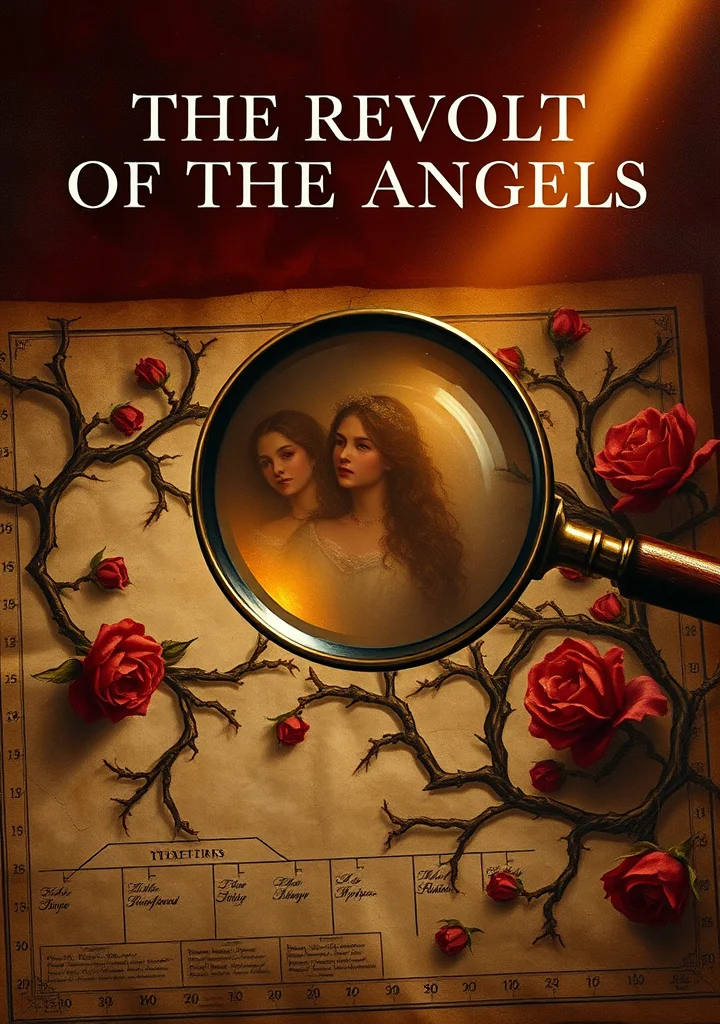
Dust motes dance in the perpetual twilight of a Parisian attic, where Maurice de Barant, a scholar consumed by decadent curiosity, charts the blasphemous genealogy of fallen grace. France weaves a narrative steeped in the scent of wormwood and regret, tracing the lineage of Lucifer not through hellfire, but through the meticulously documented seductions of women—from the Virgin Mary to the courtesans haunting the boulevards. The air thickens with a perverse erudition, as Maurice unravels a history where angels, driven by boredom and a refined taste for earthly pleasure, have quietly infiltrated the human world, their celestial origins dissolving into the amber haze of absinthe-soaked nights. A creeping unease settles in as the novel progresses; a sense that the very foundations of morality are built on shifting sands of desire and hypocrisy. The narrative isn’t one of grand demonic battles, but of whispered heresies, subtle corruptions, and the insidious bloom of beauty in decay. Each chapter feels like a chipped fragment of stained glass, refracting a light that is both sacred and profane, illuminating the shadowed corners of a France where the divine has traded its wings for the weight of gold and the murmur of a lover’s breath. The revolt isn’t a fiery uprising, but a slow, elegant erosion—a surrender to the intoxicating allure of the mortal coil, observed with a chillingly detached, scholarly gaze. A fragrance of sulfur lingers, not from hell’s furnace, but from the burning ambitions of men who dare to name the angels' names.