
The Revolt of the Angels
  • 193
  • 0
  • 36
  • Reads 193
  • 0
  • Part 36
Completed, First published Mar 02, 2026

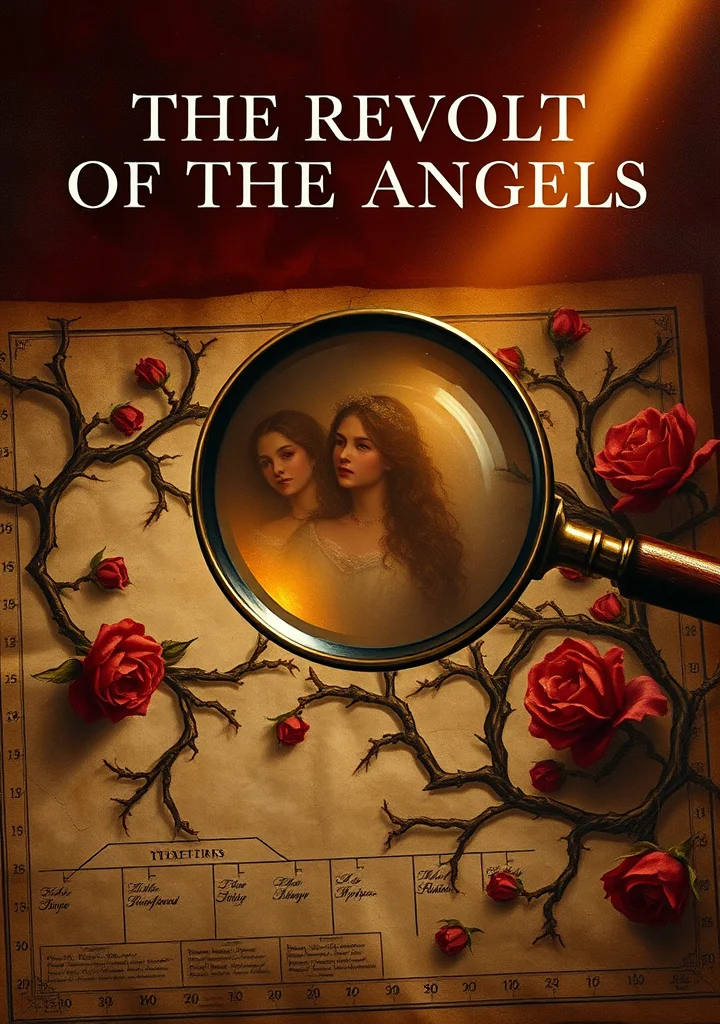
Dust motes dance in the perpetual twilight of a Parisian attic, where Maurice de Barant, a scholar consumed by decadent curiosity, charts the blasphemous genealogy of fallen grace. France weaves a narrative steeped in the scent of wormwood and regret, tracing the lineage of Lucifer not through hellfire, but through the meticulously documented seductions of women—from the Virgin Mary to the courtesans haunting the boulevards. The air thickens with a perverse erudition, as Maurice unravels a history where angels, driven by boredom and a refined taste for earthly pleasure, have quietly infiltrated the human world, their celestial origins dissolving into the amber haze of absinthe-soaked nights. A creeping unease settles in as the novel progresses; a sense that the very foundations of morality are built on shifting sands of desire and hypocrisy. The narrative isn’t one of grand demonic battles, but of whispered heresies, subtle corruptions, and the insidious bloom of beauty in decay. Each chapter feels like a chipped fragment of stained glass, refracting a light that is both sacred and profane, illuminating the shadowed corners of a France where the divine has traded its wings for the weight of gold and the murmur of a lover’s breath. The revolt isn’t a fiery uprising, but a slow, elegant erosion—a surrender to the intoxicating allure of the mortal coil, observed with a chillingly detached, scholarly gaze. A fragrance of sulfur lingers, not from hell’s furnace, but from the burning ambitions of men who dare to name the angels' names.
Copyright: Public Domain
This license allows anyone to use your story for any purpose, including printing, selling, or adapting it into a film freely.
Recommended for you
35 Part
A creeping dread clings to the crumbling estates of the Rohmer estate, a legacy steeped in shadow and whispered blasphemies. The air hangs thick with the scent of decay and the cloying sweetness of night-blooming jasmine, mirroring the rot within the ancestral line. Here, amidst the suffocating grandeur of decaying manor houses and forgotten crypts, a lineage cursed by ancient pacts stirs. The narrative unfolds as a descent into a suffocating matriarchy—a dynasty of women who weave their power from the loam of the land, from the bones of their ancestors. Each generation births a witch-queen, her beauty a gilded cage concealing an iron will and a hunger that transcends mortality. A chilling wind howls through the skeletal branches of ancient oaks, carrying the screams of those who dared to cross the threshold of the Black Abbey—the heart of the Queen’s dominion. The shadows lengthen, twisting into monstrous shapes that writhe with the secrets of the family’s pact with the darkness. This is not a tale of mere witchcraft, but a chronicle of possession, of bodies and wills surrendered to a hunger that predates the stones themselves. It’s a suffocating atmosphere of inherited madness and the insidious corruption of bloodlines, where every kiss is a binding, every birth a sacrifice to the Queen's insatiable hunger. The very earth breathes with her malice, and the ancient stones weep with the sorrow of those consumed by her shadow. The narrative is a spiral into a darkness where the veil between worlds thins, and the boundaries between sanity and oblivion dissolve into a suffocating, sweet-rotted haze.

71 Part
The air hangs thick with dust and the scent of decay, clinging to the shadowed corners of a decaying manor house. Within, a life unfolds not as a grand narrative, but as a series of fragmented recollections – whispers of a man diminished, both physically and in stature, swallowed by the suffocating grandeur of his ancestral home. The narrative coils like ivy around crumbling stone, a slow, deliberate unveiling of isolation. Each memory is a chipped porcelain doll, beautiful yet fractured, reflecting a childhood steeped in morbid fascination and the stifled resentment of those who towered above him. The prose is a draught from a forgotten cellar, laced with the chill of loneliness. Sunlight feels like an intrusion, unwelcome on skin that has grown accustomed to perpetual twilight. The reader is not merely told of the man’s smallness, but *feels* it – the weight of averted gazes, the echoing emptiness of rooms too vast for his presence, the insidious erosion of self-worth. The house itself breathes, a living thing that both protects and imprisons. The garden, overgrown and feral, mirrors the tangled, thorny emotions within. A palpable sense of dread permeates every chapter, not from external horrors, but from the creeping rot of a soul consumed by its own quiet desperation. It is a haunting, not of ghosts and ghouls, but of the hollow ache of being unseen, unheard, and utterly alone in a world built for giants. The final pages feel like a descent into a suffocating darkness, where the only sound is the fading echo of a life lived beneath the shadow of its own making.
169 Part
The air hangs thick with woodsmoke and the scent of damp earth, a perpetual twilight clinging to the fringes of England’s last wild spaces. Lavengro unfolds not as a story *told*, but as a half-remembered dream wrestled from the mire of memory, a descent into the shadowed world of the Romani. It breathes with the rhythm of the road, the crackle of fires under star-strewn skies, the rasp of rough-spun cloth against skin. This is a narrative of stolen moments—a boy adrift, caught between the respectable world and the brutal, beautiful lawlessness of the tinklers and gypsies. But the pull of the wild blood, the lure of a life lived outside the gaze of judgement, is more than mere escape. It’s a reckoning with a past steeped in violence, betrayal, and the haunting echoes of familial curses. The prose itself mimics the landscape – thorny, overgrown, and obscuring as much as it reveals. There’s a pervasive sense of dread, not from specters or ghouls, but from the cold, calculated cruelty of men driven to desperation. The characters are ghosts within their own lives, haunted by debts, grudges, and the insatiable hunger for freedom. Lavengro isn’t simply *about* the road; it *is* the road – a twisting, treacherous path leading toward an oblivion of the spirit, where the boundaries between hunter and hunted blur until only the desperate, gasping heartbeat remains. It smells of horses, of iron, of the coming storm, and the quiet resignation of those who have already lost everything.
10 Part
Dust motes dance in the perpetual twilight of decaying Parisian apartments, mirroring the slow rot of ambition within the hearts of its inhabitants. A suffocating stillness clings to these shadowed rooms, where men—and a single, brittle woman—have pledged themselves to a cold, calculated austerity. Not for God, nor for love, but for the relentless accumulation of power, the silent, parasitic growth of influence woven into the very fabric of the city’s underbelly. Each gesture is measured, each glance a ledger entry. The air tastes of stale ambition and the lingering scent of denied desire. The narrative unfolds like a tightening noose, detailing not the act of living, but the meticulous subtraction of humanity. Rooms become tombs, draped in the funereal silks of wealth; conversations are brittle exchanges of debts and futures. A creeping dread permeates the cobblestone streets, where the celibates move like specters, their pallid faces reflecting the gaslight’s sickly glow. The city itself breathes with a morbid pulse—a labyrinth of whispered transactions, decaying grandeur, and the gnawing hunger of those who have sacrificed everything for a throne of cold, indifferent gold. The true horror lies not in what is done, but in the chilling precision with which lives are hollowed out, leaving only the skeletal framework of ruthless calculation. It is a story of shadows consuming shadows, where even silence becomes a weapon wielded with terrifying grace.