
-
Read 414
-
0
-
Part 23
Completed, First published Mar 02, 2026
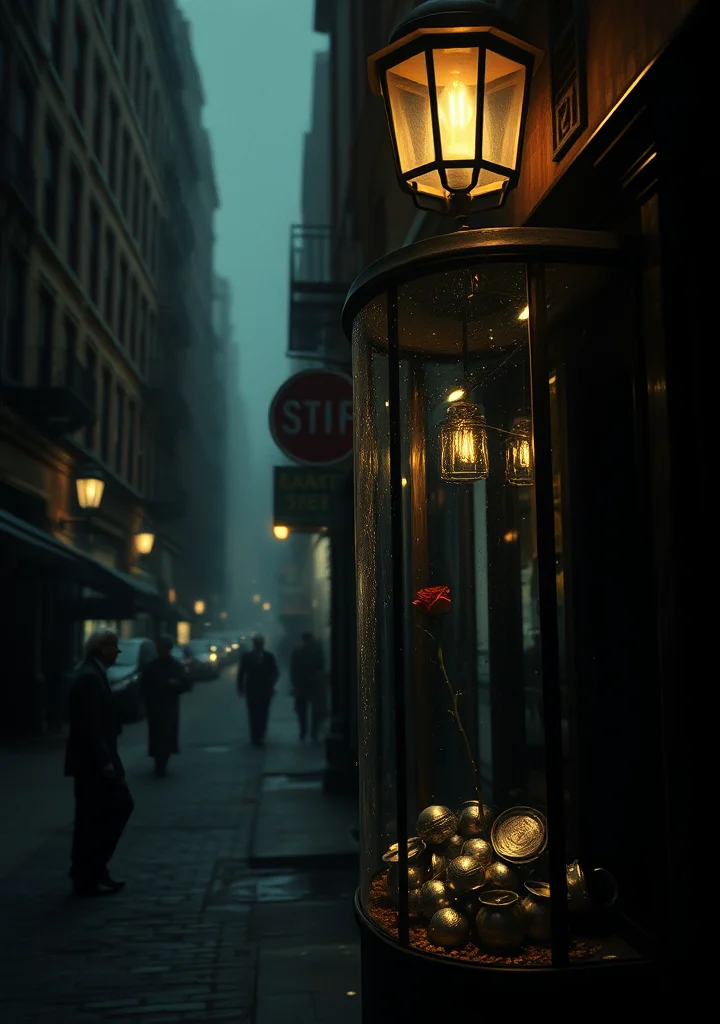
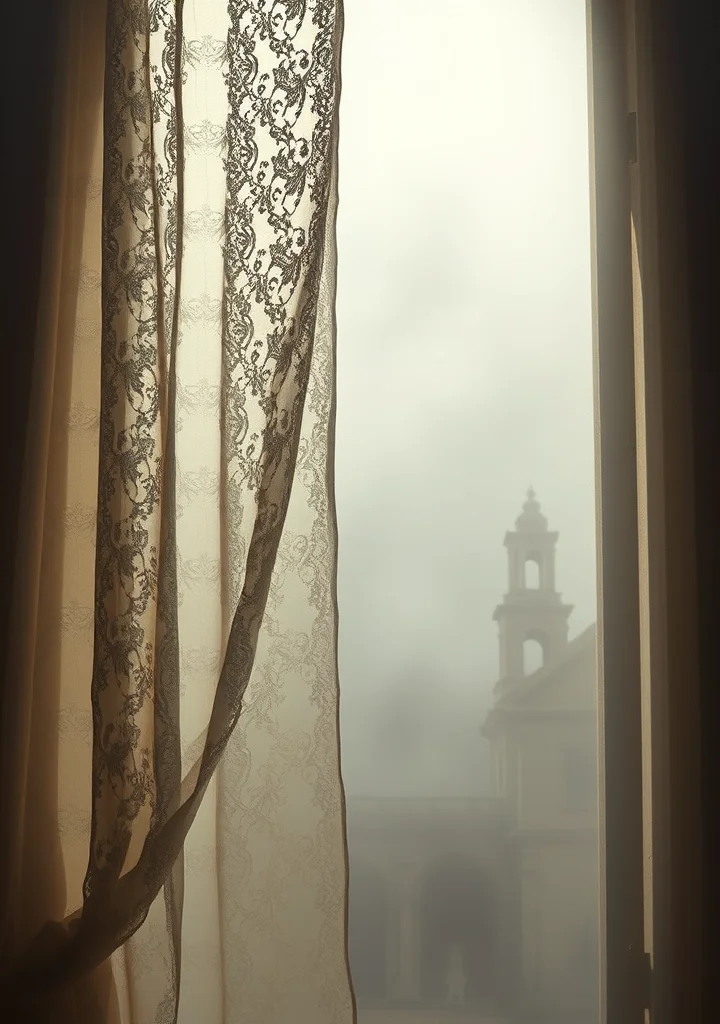
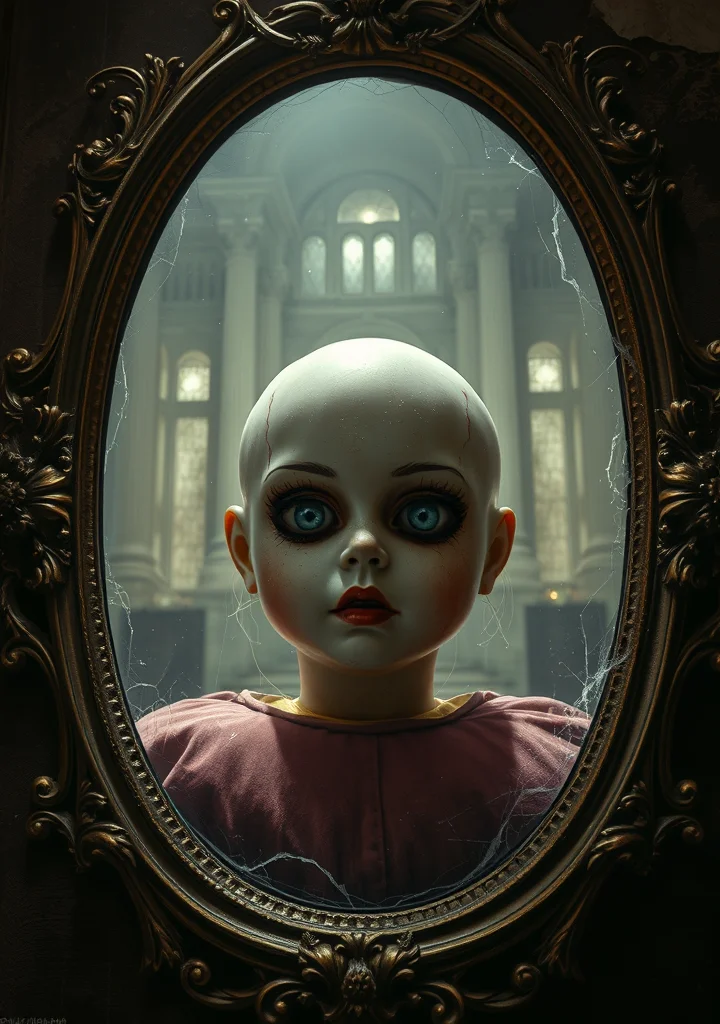
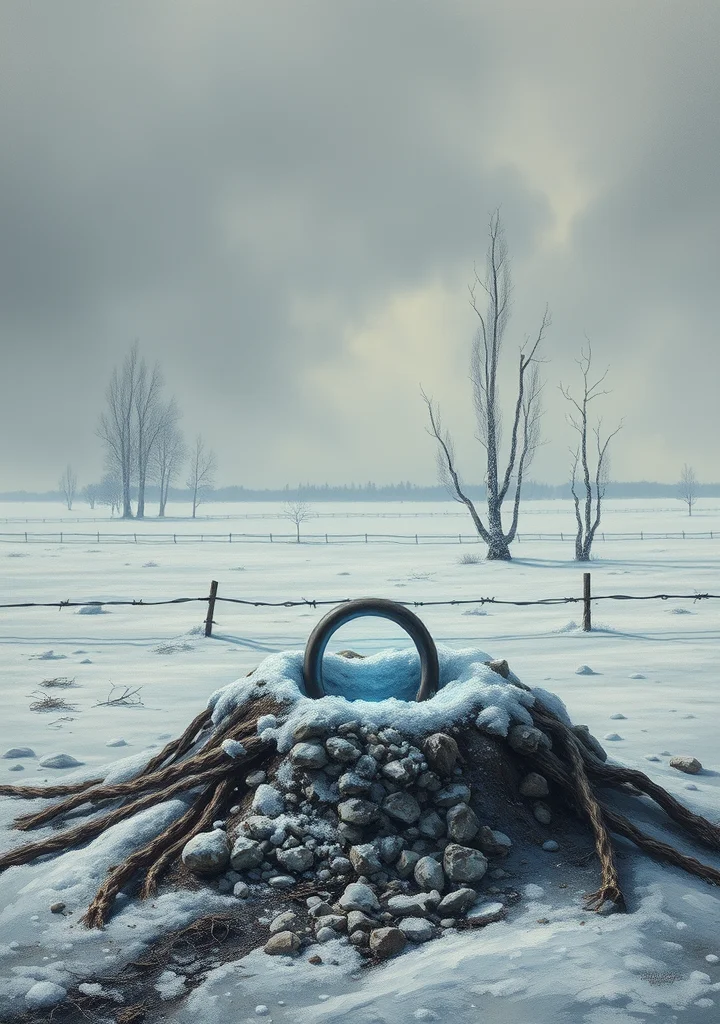
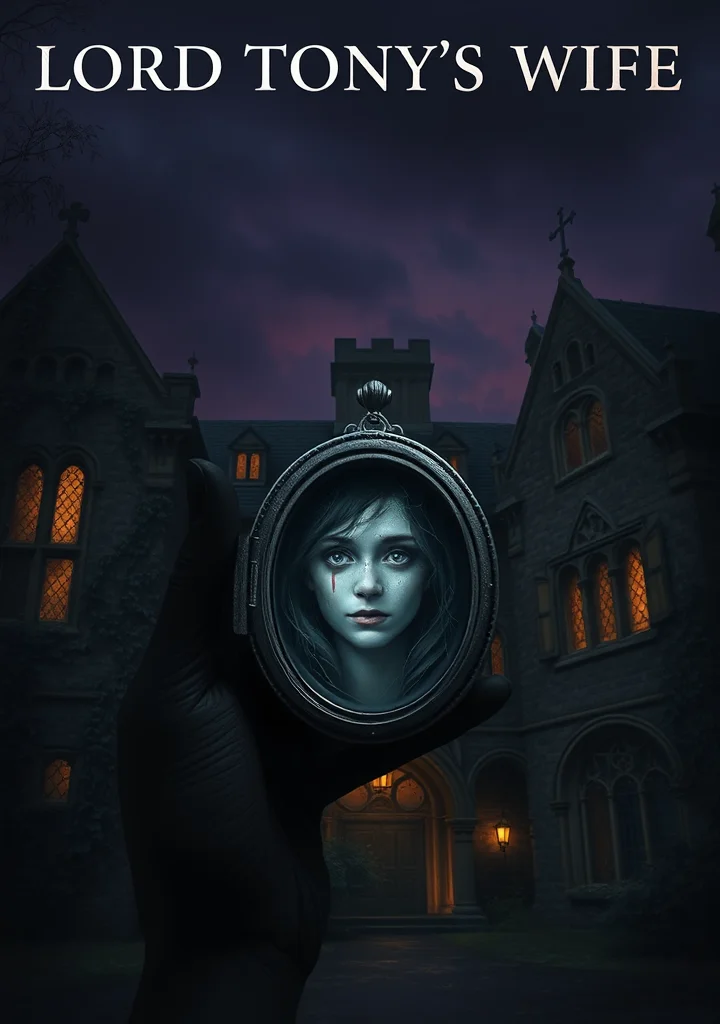
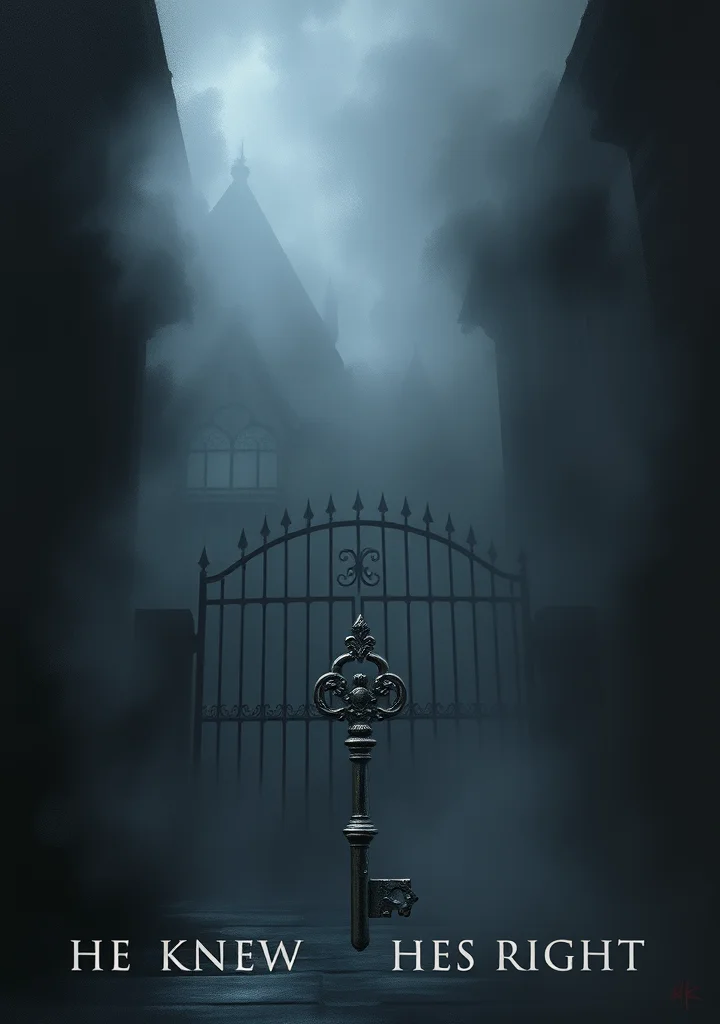
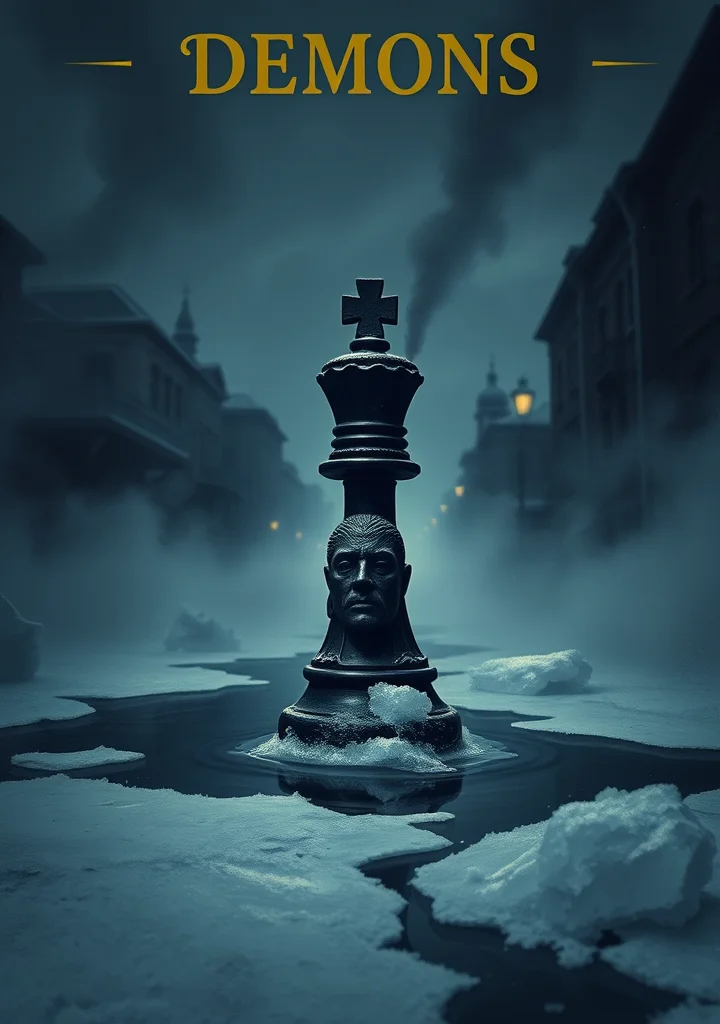
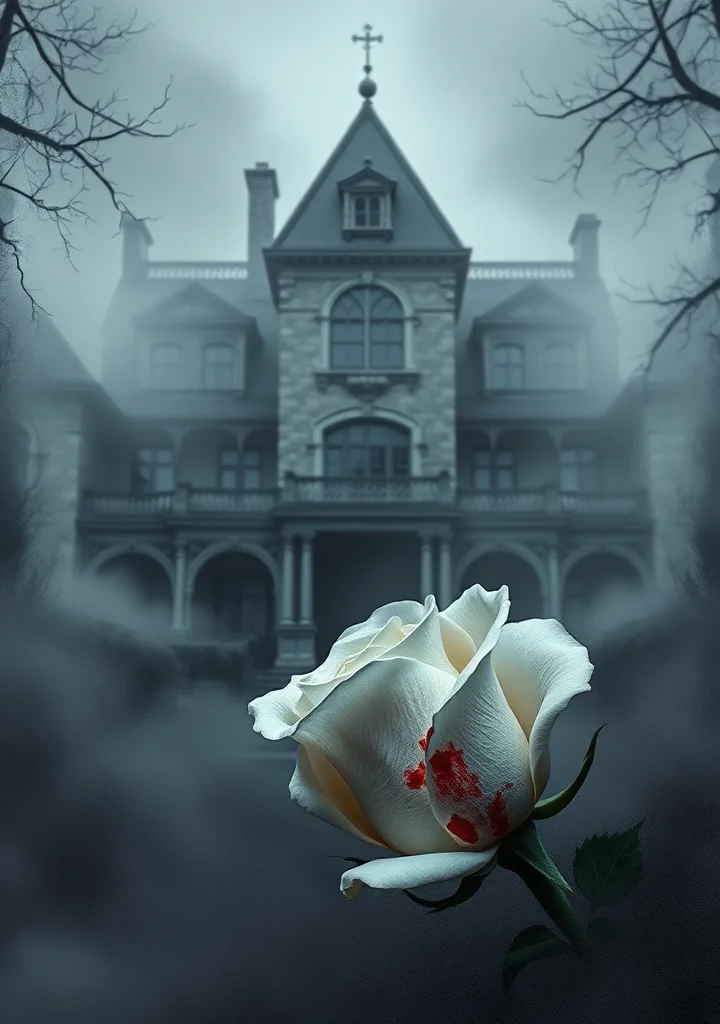
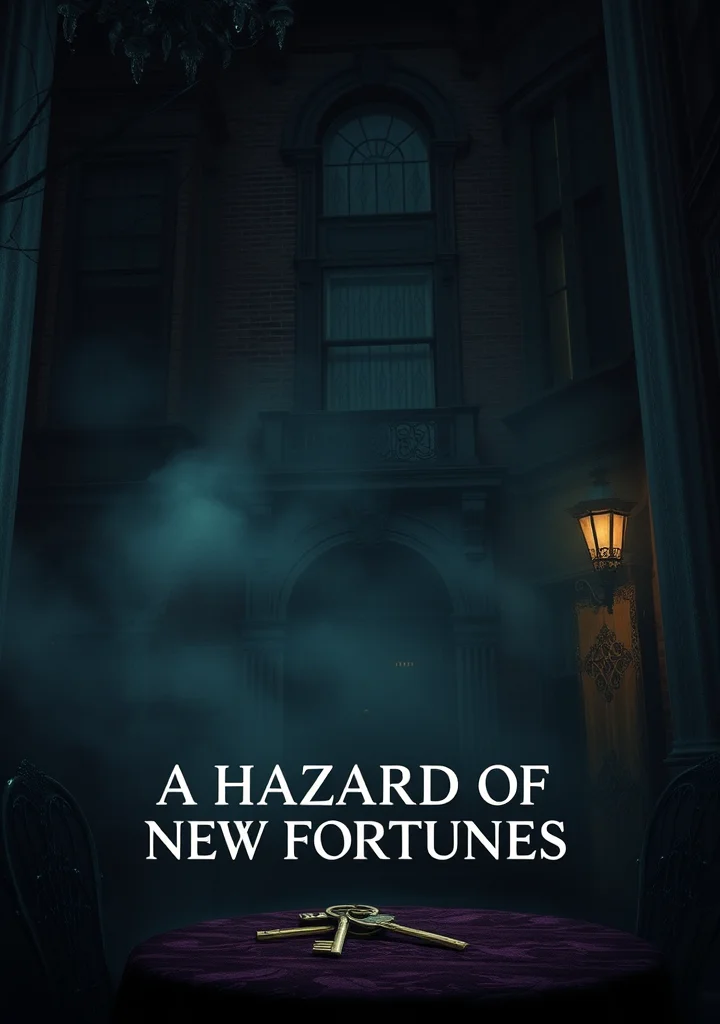
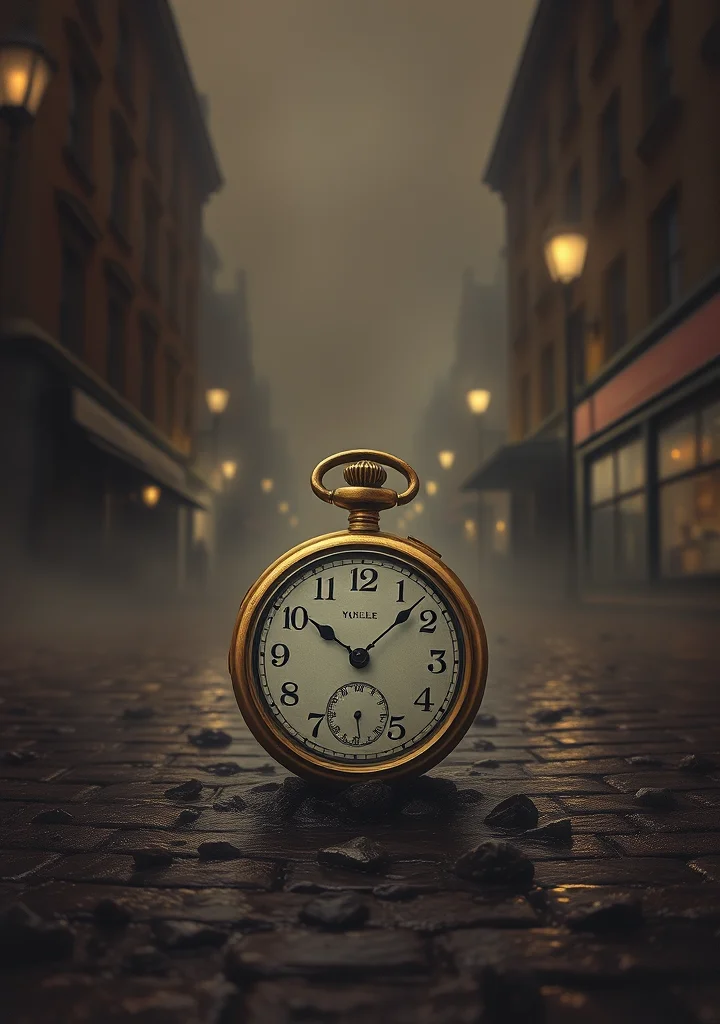
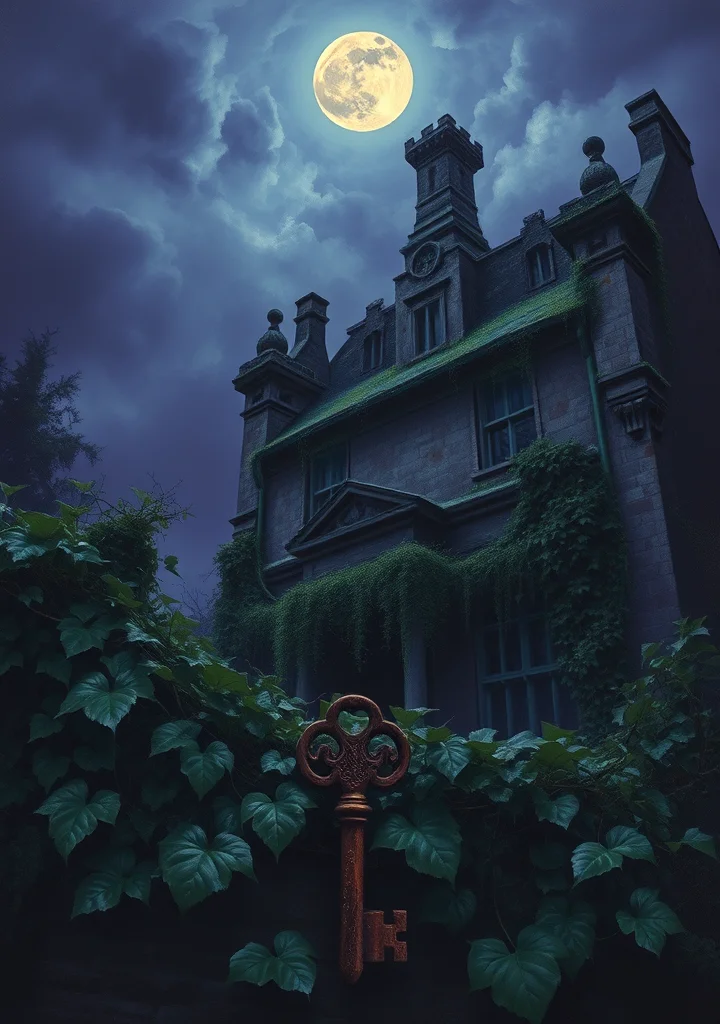
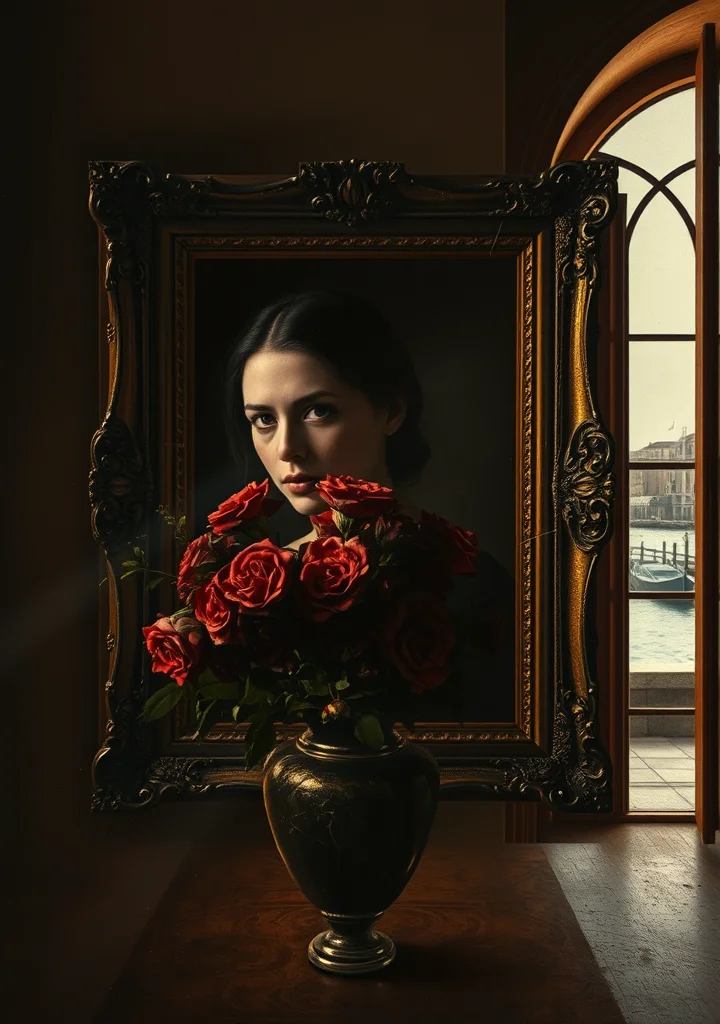
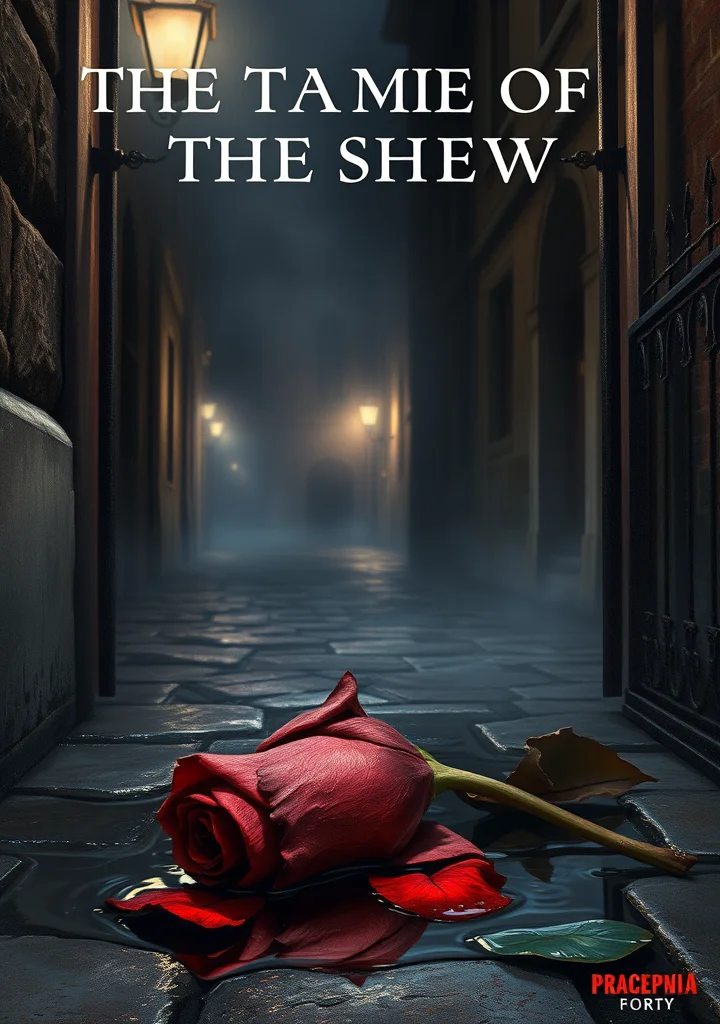
A creeping fog clings to Padua’s shadowed streets, mirroring the suffocating constraints imposed upon Katherina. Cobblestones gleam with a perpetual dampness, reflecting gaslight flickering against shuttered windows where whispers of her temperuous defiance are stifled. The air hangs thick with the scent of decaying roses and the sharp tang of iron, a perfume of thwarted desire and simmering rage.
Within the echoing halls of her father’s estate, a suffocating stillness reigns, broken only by the rattle of chains—not of imprisonment, but of expectation. Petruccio’s arrival is not a conquest of love, but an excavation of will, a slow unraveling of Katherina’s spirit within a labyrinth of calculated dominance.
The narrative breathes with the oppressive weight of societal decree, a claustrophobic dance of power and submission played out under a bruised, violet sky. Every stolen glance, every barbed retort, is etched in a mounting tension that threatens to shatter the fragile facade of polite society.
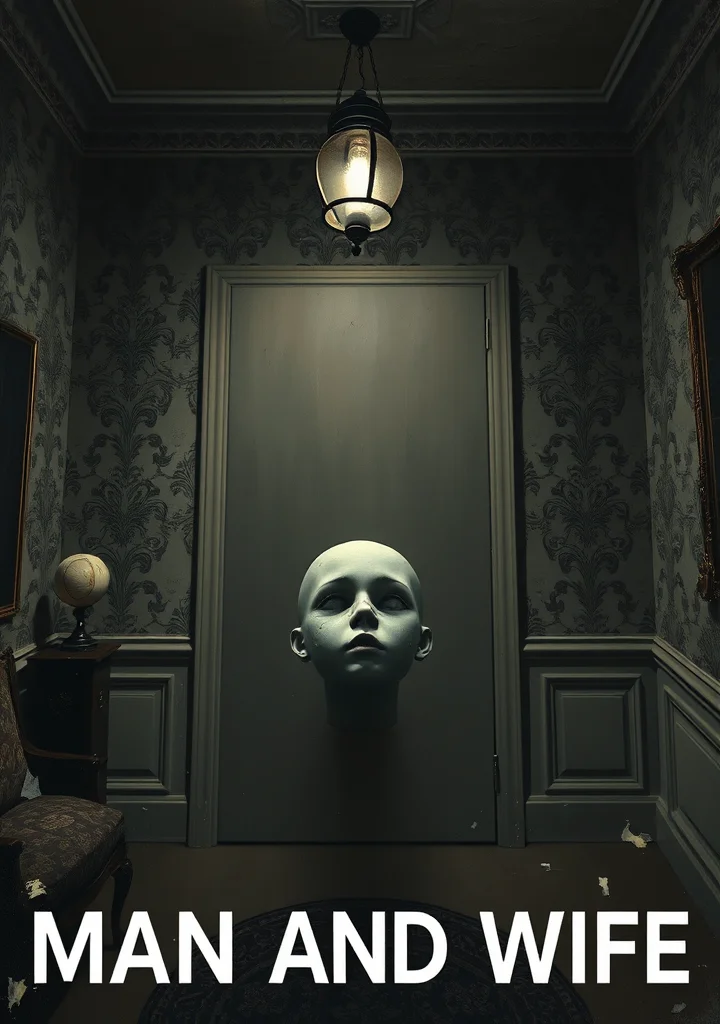
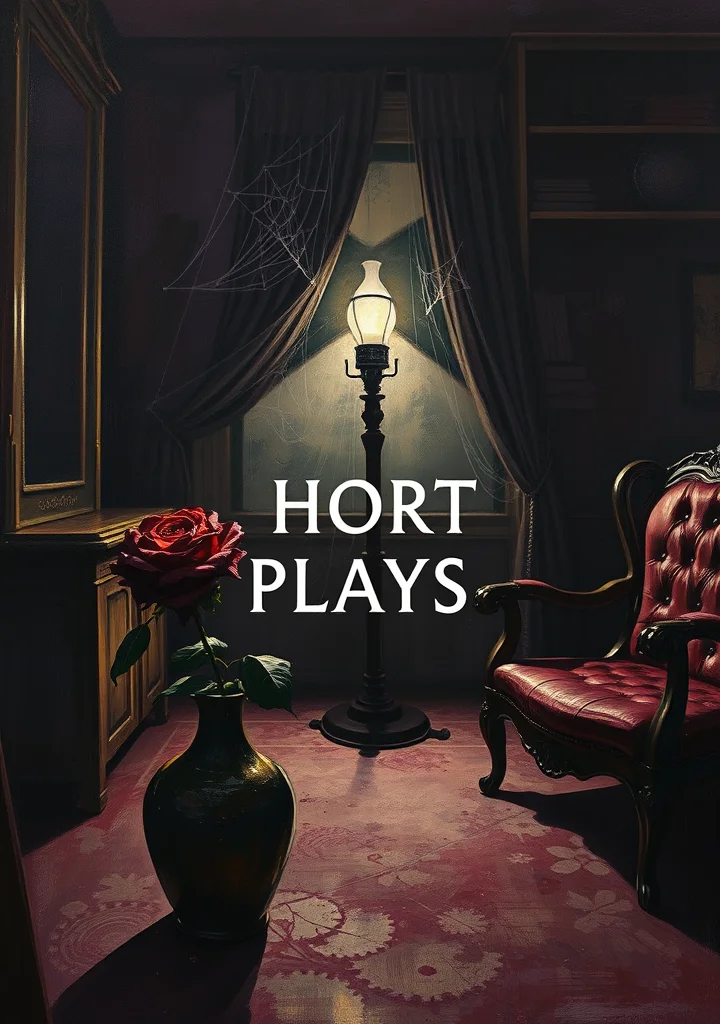
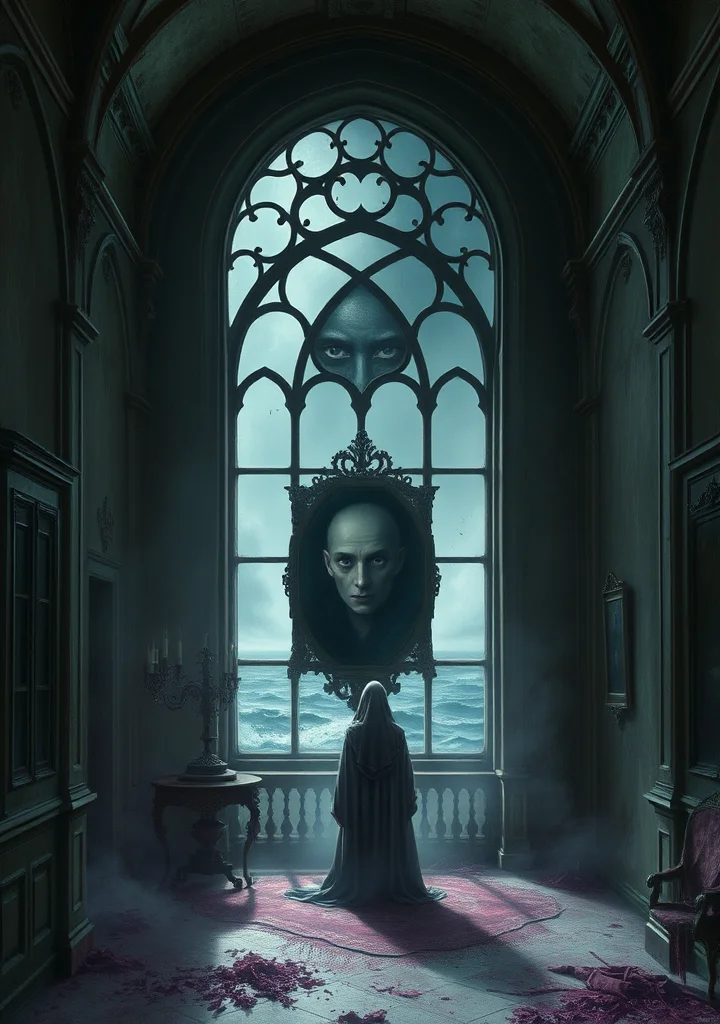
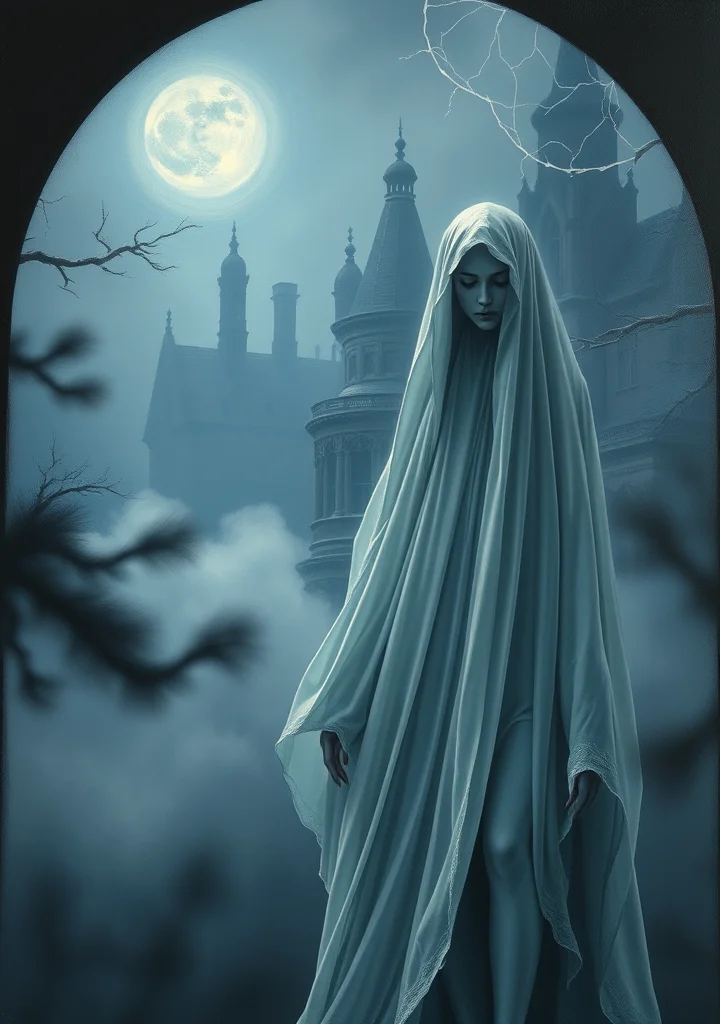
The very architecture seems to conspire against her, the stone walls absorbing her fury, the shadowed corridors swallowing her cries. A creeping dread permeates the story—not of physical danger, but of a soul slowly, deliberately broken and reshaped. It is a haunting of the self, rendered in the chilling silence between each act of forced compliance.
Copyright: Public Domain
This license allows anyone to use your story for any purpose, including printing, selling, or adapting it into a film freely.
This license allows anyone to use your story for any purpose, including printing, selling, or adapting it into a film freely.
Chapter List
-
« The Taming of the Shrew »📖 Continue Reading
-
« Dramatis Personae »
-
« The Taming of the Shrew »
-
« Induction »
-
« SceneI »
-
« SceneII »
-
« ActI »
-
« SceneI »
-
« SceneII »
-
« ActII »
-
« SceneI »
-
« ActIII »
-
« SceneI »
-
« SceneII »
-
« ActIV »
-
« SceneI »
-
« SceneII »
-
« SceneIII »
-
« SceneIV »
-
« SceneV »
-
« ActV »
-
« SceneI »
-
« SceneII »
23
-
« The Taming of the Shrew »
-
« Dramatis Personae »
-
« The Taming of the Shrew »
-
« Induction »
-
« SceneI »
-
« SceneII »
-
« ActI »
-
« SceneI »
-
« SceneII »
-
« ActII »
-
« SceneI »
-
« ActIII »
-
« SceneI »
-
« SceneII »
-
« ActIV »
-
« SceneI »
-
« SceneII »
-
« SceneIII »
-
« SceneIV »
-
« SceneV »
-
« ActV »
-
« SceneI »
-
« SceneII »
More like this