
Carmesim Coffee Hearts
  • 7
  • 0
  • 4
  • Read 7
  • 0
  • Part 4
Ongoing, First published May 23, 2026

Este romance segue Hoseok, um florista que possui a capacidade de ver conexões entre almas gêmeas – um presente que ele teme que espelhará o desgosto de sua mãe. medida que Yoongi navega pela formatura e um anseio por conexão, ele se vê atraído por Hoseok. A narrativa traça suas interações provisórias, desdobrando-se através de conhecidos compartilhados e encontros estranhos. Esses capítulos revelam um mundo onde vidas profissionais e desejos ocultos se entrelaçam, insinuando conexões surpreendentes e uma tensão crescente..
Copyright: All Rights Reserved
No person is allowed to use, redistribute, or modify your work in any form without your explicit permission.
Recommended for you

14 Part
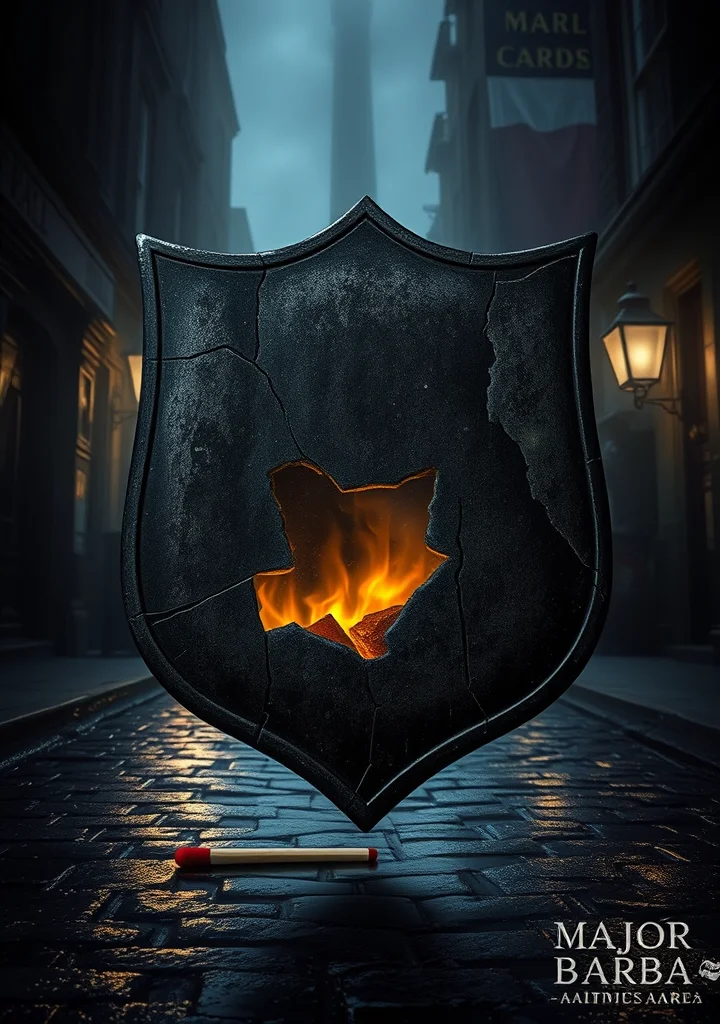
A creeping fog clings to the cobblestones of London, mirroring the moral murk that settles upon Major Barbara’s soul. The Salvation Army’s fiery convert, once a zealous evangelist, finds her convictions fracturing amidst the grimy machinery of industrial capitalism. Shaw’s London isn’t of grand estates and drawing-room dramas, but of match factories and the hollow-eyed children they bleed into profit. The air tastes of sulfur and desperation, thick with the stench of poverty masquerading as piety. Barbara’s transformation is a slow burn, less a fall from grace than a corrosion of faith. The narrative winds through shadowed alleys where the stench of gin mingles with the desperate prayers of the damned. Each act of charity feels less a divine act, and more a grim transaction, a gilded cage for souls starved for light. The novel breathes with the rhythmic clang of factory wheels and the mournful cries of debtors. It is a world where salvation is bartered for shillings, and the very foundations of faith crumble beneath the weight of practical concerns. The looming presence of Undershaft, a munitions magnate who claims to fund virtue through vice, casts a pall over every scene. His philosophy seeps into the narrative like a creeping poison, turning the bright promises of the Army into twisted, metallic echoes. The narrative doesn’t offer solace, but a cold, unflinching gaze at the compromises made in the pursuit of a better world, where even the most righteous find themselves stained by the grime of survival.
19 Part
Beneath the sun-bleached stones of Sicily, a shadow descends. Not of bandits or political intrigue, but a creeping dread woven into the very fabric of ancient villas and crumbling chapels. The narrative unfolds within a labyrinth of sun-drenched courtyards concealing forgotten histories, and the scent of jasmine masking the rot of decaying grandeur. A young Englishwoman, adrift in a land of simmering passions and veiled secrets, finds herself drawn into a family’s fractured legacy—a legacy haunted by whispers of a tragic past. The air hangs thick with the weight of unfulfilled desires, and the heat breeds not just fever, but a suffocating claustrophobia. Each crumbling archway seems to observe, each darkened corridor to breathe with the ghosts of those who succumbed to melancholy. The landscape itself becomes a character—a brutal beauty that both lures and threatens. A slow unraveling of the heroine’s composure occurs as she navigates a treacherous dance between duty and desire, guided by a charismatic nobleman whose own shadow-self is barely contained. The romance, as it blooms, is laced with the venom of suspicion. Every stolen glance, every whispered confession, is shadowed by the possibility of deception. The story is less about the passion between two souls, and more about the suffocating atmosphere that threatens to swallow them both—a suffocating atmosphere born of isolation, ancient curses, and the slow, insidious decay of a noble line. The Sicilian soil itself seems to drink the light, leaving only an eternal twilight clinging to the heart of the story.