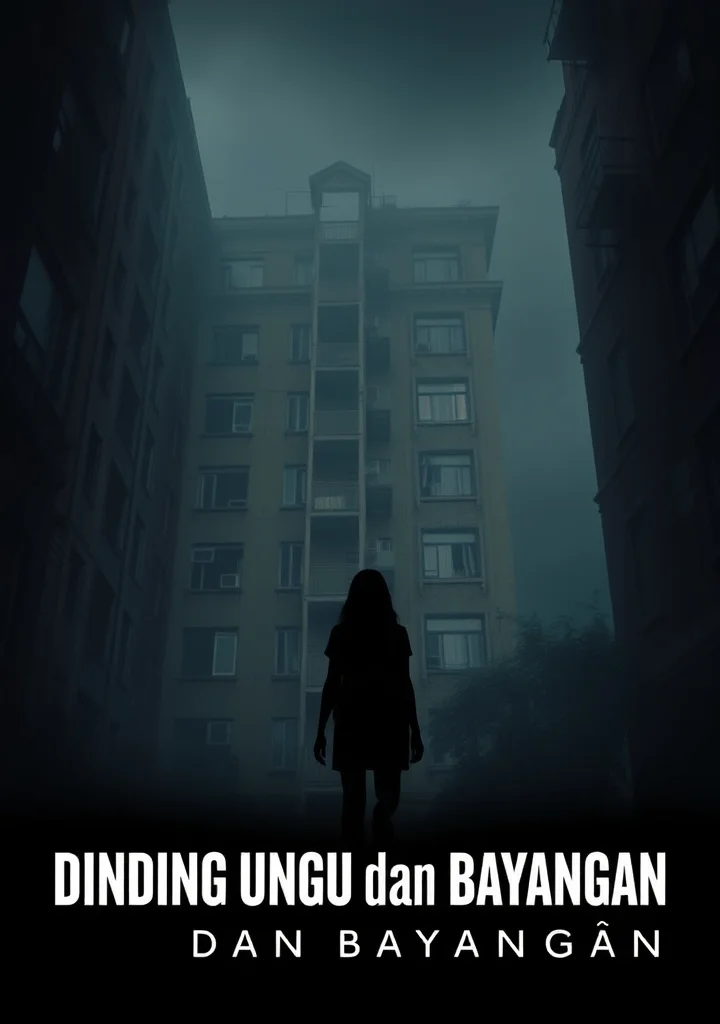

Dinding Ungu dan Bayangan
  • 24
  • 0
  • 5
  • Read 24
  • 0
  • Part 5
Ongoing, First published May 21, 2026

Alicia pindah ke New York setelah kehilangan, mencari pelarian dan penyembuhan di kota baru. Hidupnya berubah saat ia bertemu seorang pemuda misterius di seberang jalan, sementara ia bergumul dengan kesedihan dan perubahan di sekolah barunya. Di tengah ketegangan keluarga dan konflik remaja, Alicia harus menavigasi hubungan yang rumit dan mengungkap rahasia yang tersembunyi di balik dinding ungu rumah barunya. Kisah ini menelusuri pertemuan pertama, persahabatan yang berubah, dan bayangan masa lalu yang menghantui.
Copyright: All Rights Reserved
No person is allowed to use, redistribute, or modify your work in any form without your explicit permission.
Recommended for you
85 Part
A creeping fog clings to the cobbled streets, mirroring the miasma of despair that rises from the tenements. Within these shadowed districts, a relentless, grinding poverty festers, a ravenous beast consuming the very foundations of progress. The narrative unfolds not as a tale of villains and victims, but as a slow dissection of the city’s heart, revealing the rot beneath the gilded veneer. Each brick laid in the name of advancement seems to cast a longer, darker shadow, drawing the already destitute further into a labyrinth of want. The air hangs thick with the weight of unearned suffering, a suffocating atmosphere of decay where the promises of innovation curdle into bitter ironies. We are led through decaying mansions and bustling factories, witnessing the widening chasm between the gilded spires and the crumbling hovels below. A sense of inevitability pervades, as the very mechanisms designed to elevate humanity seem instead to forge chains of increasing oppression. The narrative is less a story of direct conflict, and more a haunting procession through the hollowed-out eyes of the abandoned. The encroaching darkness isn't a sudden, violent storm, but a gradual suffocation – a slow, insidious erosion of hope, leaving behind only the skeletal remains of ambition and the chilling echo of unanswered prayers. It’s a landscape of broken promises, where the architecture of ambition becomes the mausoleum of the human spirit.
19 Part
A suffocating Madrid summer hangs heavy with dust and discontent. The novel breathes with the stifled ambitions of its characters, clinging to the shadowed alcoves of a city poised between old grandeur and creeping modernity. Galdós doesn’t offer spectacle, but a slow, insidious unraveling—a rot beneath the polished veneer of bourgeois life. The narrative coils around the fractured idealism of Don Ramón, a man adrift in the aftermath of political turmoil, haunted by the ghosts of republican fervor and the weight of unfulfilled potential. Every encounter is a stifled confession, every room a stage for quiet desperation. Sunlight bleeds through shuttered windows, illuminating not warmth, but the lingering residue of regret. The scent of decaying flowers, of stale ambition, permeates the air. It’s a novel of interiors—claustrophobic apartments, dimly lit cafes—where characters are trapped not by bars, but by the invisible architecture of social expectation. A creeping sense of dread settles over the reader as the narrative descends into the labyrinthine streets of Madrid, mirroring Don Ramón’s descent into self-doubt and disillusionment. The city itself is a character, its labyrinthine alleys echoing with the murmur of lost causes and the silent weight of unspoken desires. It’s a portrait of a man unraveling, mirroring a city slowly suffocating under its own ambitions. The atmosphere is one of oppressive heat, stifled voices, and the pervasive scent of decay—a Madrid steeped in melancholy, where even the brightest days are shadowed by the specter of failure.
32 Part
A creeping mist clings to the shadowed valley of Blithedale, a haven built on the fractured dreams of reformers and the hollow promises of a new Eden. Within its decaying grandeur, a subtle rot permeates not just the timber and stone, but the very souls of those who seek refuge there. The air hangs thick with unspoken desires, simmering resentments, and the stifled cries of past failures. A young surveyor, drawn into the web of this communal experiment, finds himself caught between the magnetic fervor of a visionary founder and the haunting beauty of a woman haunted by a grief that seems to bleed into the landscape itself. Every shadowed corner breathes with the weight of unfulfilled longing, while the sun-drenched fields conceal a darkness born of obsession. The narrative unravels not as a tale of progress, but as a slow exposure of the decay beneath the surface—a crumbling edifice of idealism haunted by the specters of unacknowledged desires. The scent of dying flowers, the rustle of unseen presences in the overgrown gardens, and the chilling silence of moonlit nights weave a tapestry of melancholy, revealing a world where the pursuit of perfection breeds only despair, and the heart, once aflame with conviction, is left to wither in the cold embrace of disillusionment. It is a place where the boundaries between reality and illusion blur, where the past refuses to remain buried, and where the seeds of ruin are sown within the very soil of hope.