
Hari - Hari Doncaster
  • 10
  • 0
  • 5
  • Read 10
  • 0
  • Part 5
Ongoing, First published May 23, 2026

The story opens onto a period of upheaval for Ally, whose life is disrupted by her father’s remarriage and a swift relocation to Doncaster, England. These initial chapters trace her conflicted feelings about leaving behind friends and familiar surroundings. Arriving in a surprisingly grand new home, Ally begins to navigate a complex family dynamic, encountering stepbrothers and stepmothers who seem to anticipate her every frustration. As she adjusts to her new environment, she finds herself drawn into a mystery surrounding the aloof and enigmatic Louis, hinting at hidden depths beneath his public persona. These early moments suggest a story of family, relocation, and unexpected connections.
Copyright: All Rights Reserved
No person is allowed to use, redistribute, or modify your work in any form without your explicit permission.
Recommended for you
9 Part
A pall descends from the shadowed Cambridge rooms, a creeping fog of intellectual rigor and suppressed grief. Mill’s life, laid bare not as triumph but as a slow, exquisite unraveling. The scent of stale ink and decaying liberalism clings to every page, mirroring the stifled passions that choked within his father’s utilitarian gaze. This is not a chronicle of progress, but a meticulous dissection of a mind forged in the crucible of paternal expectation, haunted by the ghost of Bentham’s cold logic. Each chapter is a darkened corridor, echoing with the precise footsteps of a man striving to define himself against the suffocating weight of inherited thought. The narrative breathes with the chill of early mourning, the suffocating weight of a childhood spent mastering logic whilst denying the unruly currents of the heart. Later, the light flickers and fails amidst the bureaucratic labyrinths of the East India Company, a spectral empire built on the dust of forgotten lives. The prose itself is a mausoleum of measured restraint, each sentence a carefully placed stone concealing the raw, bleeding wounds beneath. It is a testament to the art of internalizing agony, of building a fortress of reason around a core of aching vulnerability. A study in grey, in the precise geometry of despair, this autobiography is not merely read, but *felt* - a slow, deliberate descent into the labyrinth of a life lived in the shadows of its own formidable intellect. The silence within the text is as deafening as the clamor of London streets, a testament to the unacknowledged voids at the heart of a life relentlessly dedicated to thought.
40 Part
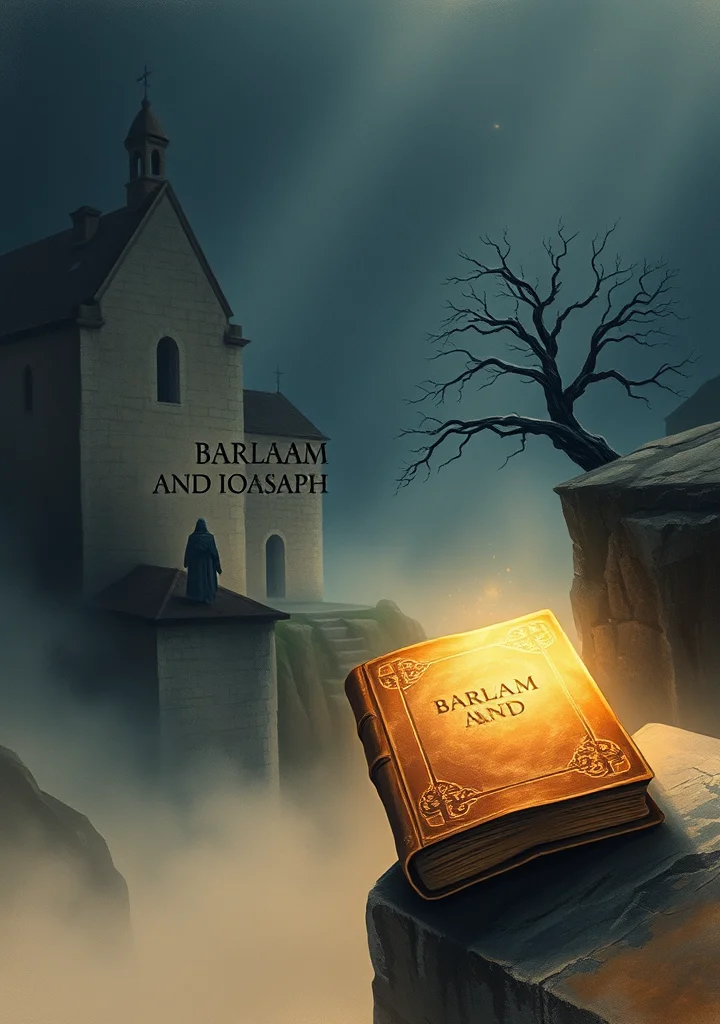
Dust motes dance in the perpetual twilight of a forgotten monastery clinging to the precipice of the Eastern mountains. The air hangs thick with the scent of incense and decay, a miasma of regret clinging to the stone walls. This is a tale not of heroes, but of shadows—the creeping doubt that gnaws at the heart of a hermit saint, Barlaam, and the restless yearning of Ioasaph, a prince turned penitent. The narrative unfolds as a slow unraveling, a descent into the labyrinth of the soul. Each chapter is a stone rolled away from a crypt, revealing not flesh and bone, but the fragile architecture of belief. Sunlight feels like a violation here, exposing the rot beneath the gilded icons. The prose is a whisper of wind through skeletal branches, laced with the chill of unyielding stone. It breathes with the claustrophobia of caves carved into the living rock, where the echoes of Ioasaph’s questions—questions that fracture faith—reverberate for centuries. This is a story steeped in the melancholy of conversion, the weight of renunciation. It's a landscape of barren faith where the only true company is the gnawing emptiness that blooms within the hollowed shell of a life surrendered to the void. The narrative isn’t driven by plot, but by the insidious erosion of certainty, leaving behind a landscape of bone-white despair. The final revelation, like the last breath of a dying candle, offers not light, but the chilling realization of a darkness that dwells within us all.
14 Part
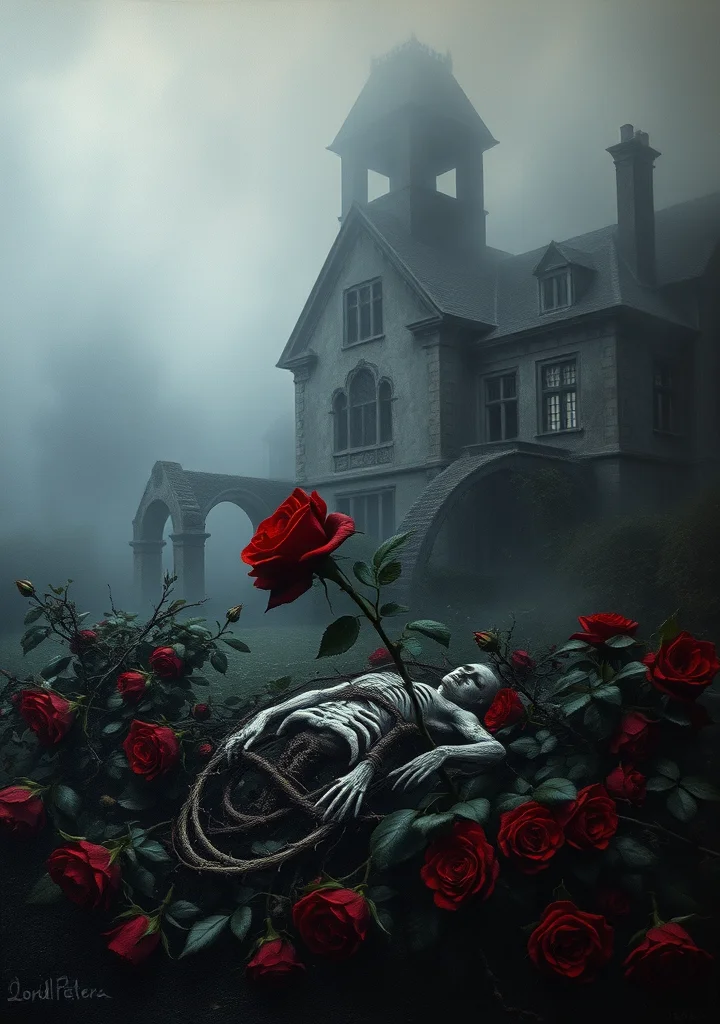
A chill, damp fog clings to the meticulously manicured grounds of a decaying manor, mirroring the insidious rot at the heart of the investigation. Lord Peter Wimsey doesn’t merely solve a murder; he excavates a grief-stricken past, each clue unearthed slick with the residue of unspoken desires and stifled resentments. The victim, a man of rigid habits and cold precision, is found posed with a perverse artistry amidst rose bushes gone wild—a tableau of fractured elegance. The estate itself breathes with a suffocating air of familial decay. Long corridors whisper with the echoes of past grievances, portraits watch with hollow eyes, and shadows dance with the weight of generations trapped within their ancestral home. Every object, from tarnished silver to wilted blooms, feels burdened by secrets. Wimsey’s pursuit is not a swift unraveling, but a slow descent into a labyrinth of suppressed longing and bitter rivalries. The suspects are cloaked in a brittle politeness masking a simmering contempt, each conversation a carefully constructed performance in a drawing room haunted by the ghosts of expectations. The scent of fading grandeur, of lives lived within suffocating constraints, pervades every room—a suffocating perfume of regret and the lingering scent of something unspeakably cold. The truth, when it finally surfaces, is less a revelation than an exhumation, leaving a residue of ash and the unsettling weight of a fractured, aristocratic heart.