
-
Read 299
-
0
-
Part 19
Completed, First published Mar 02, 2026
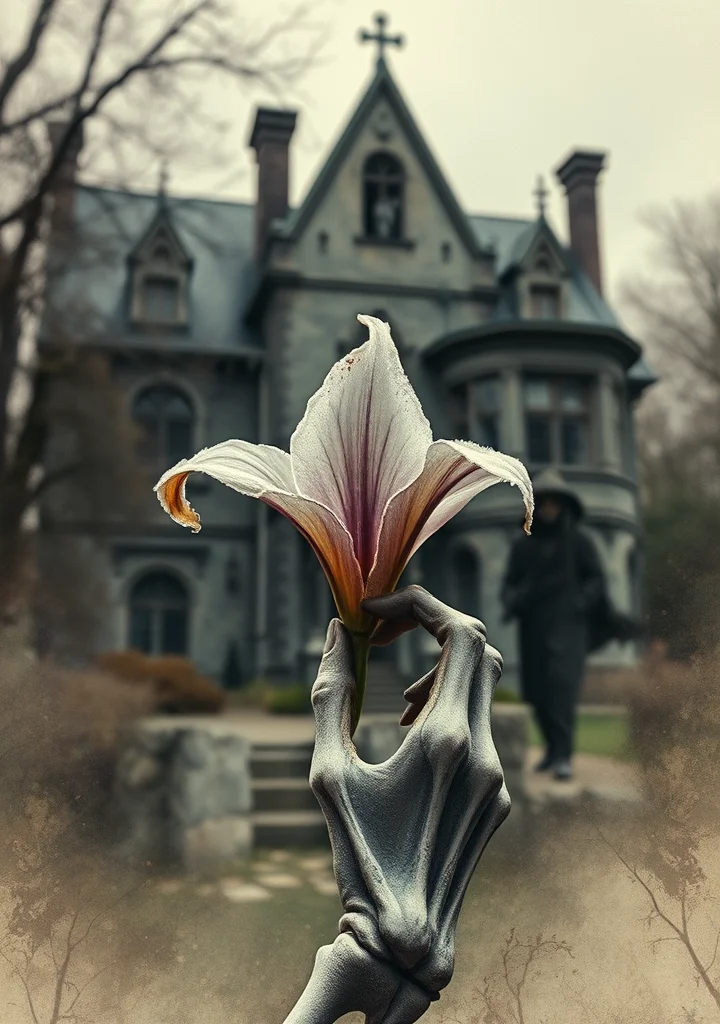
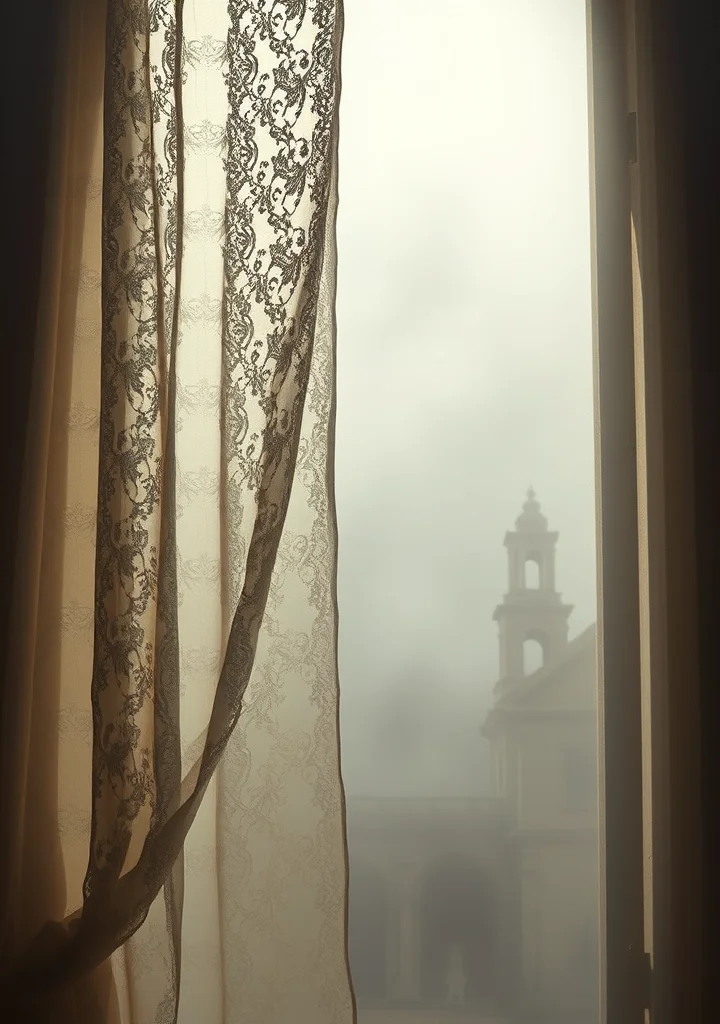
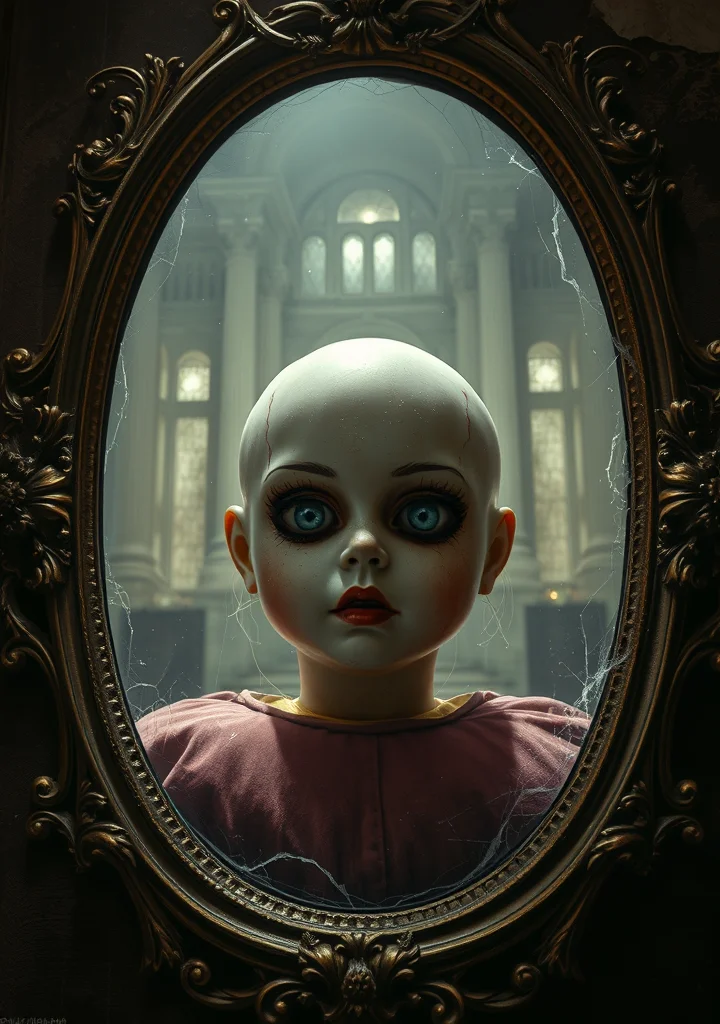
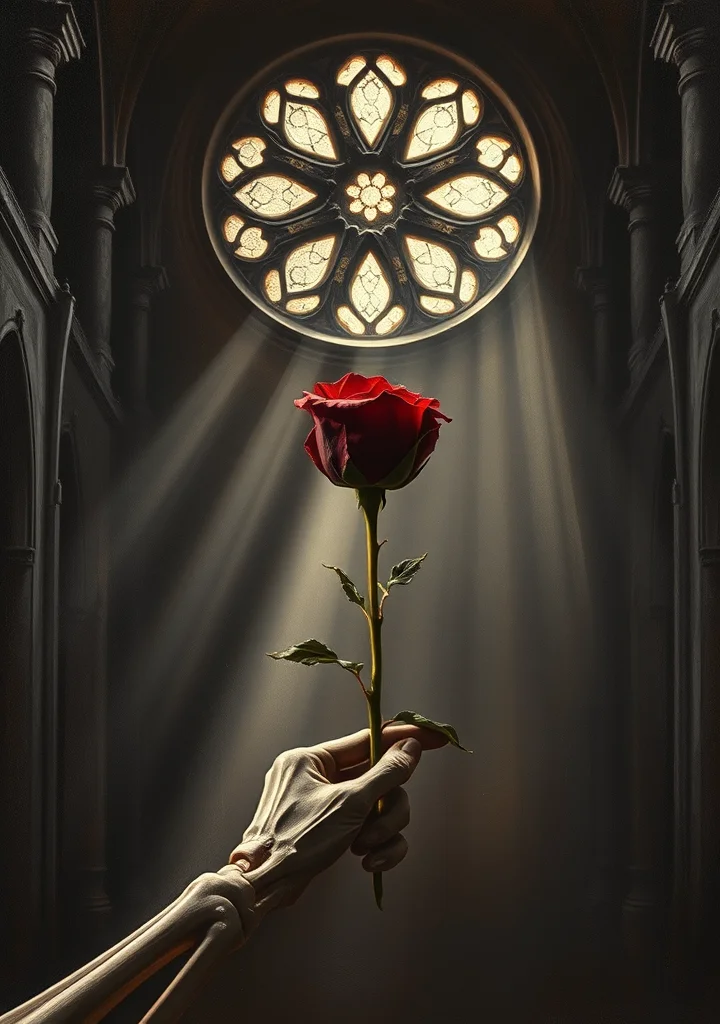
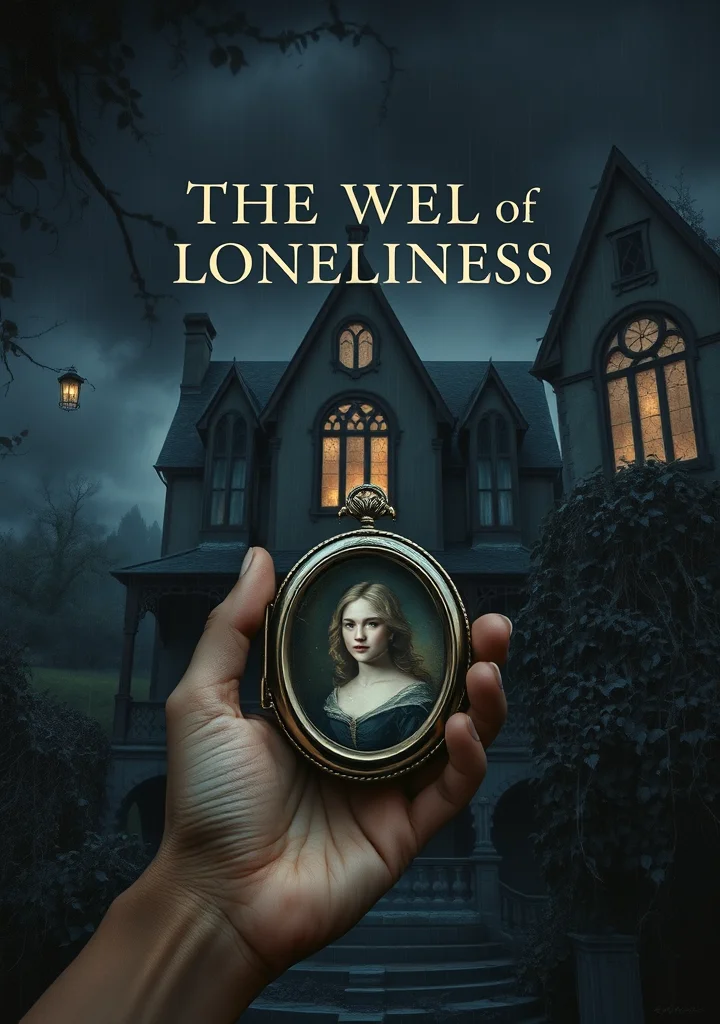
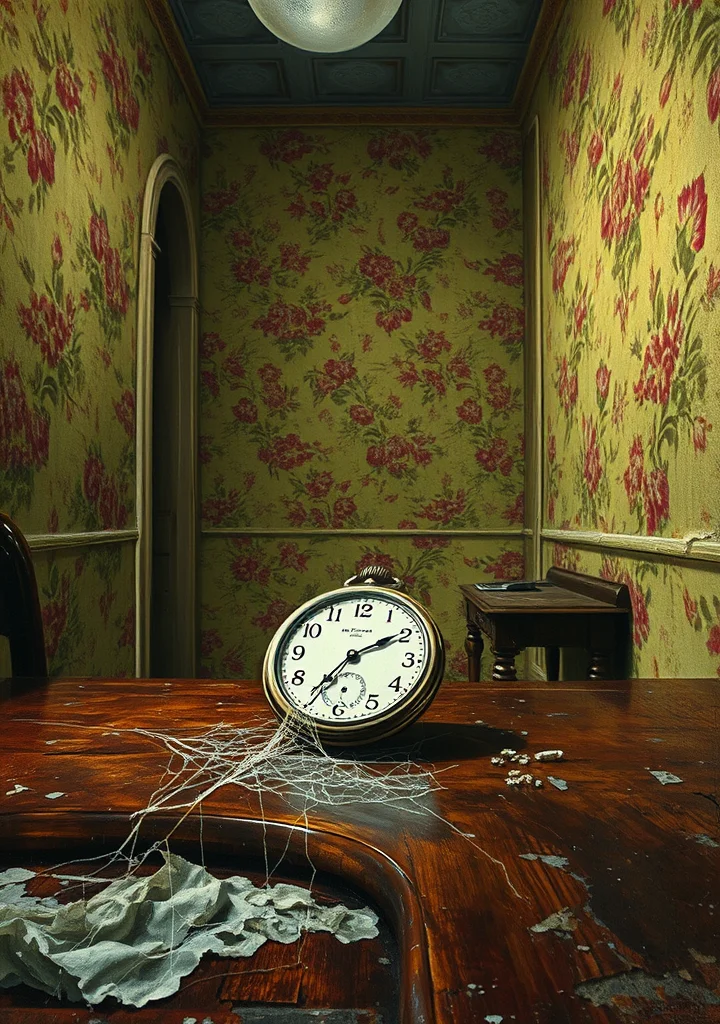
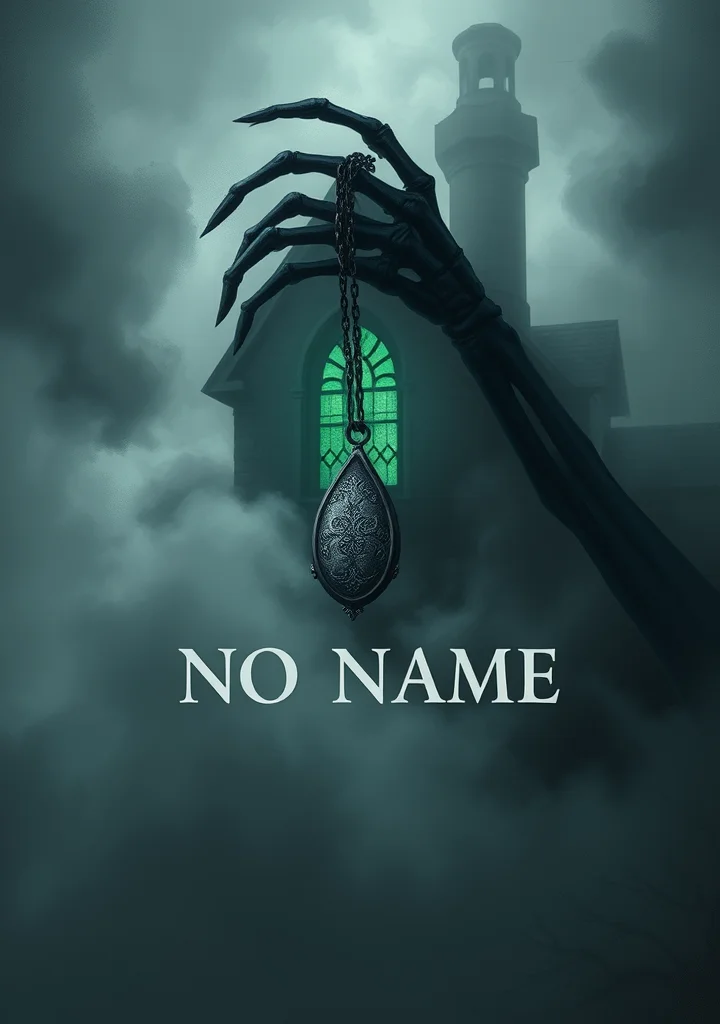
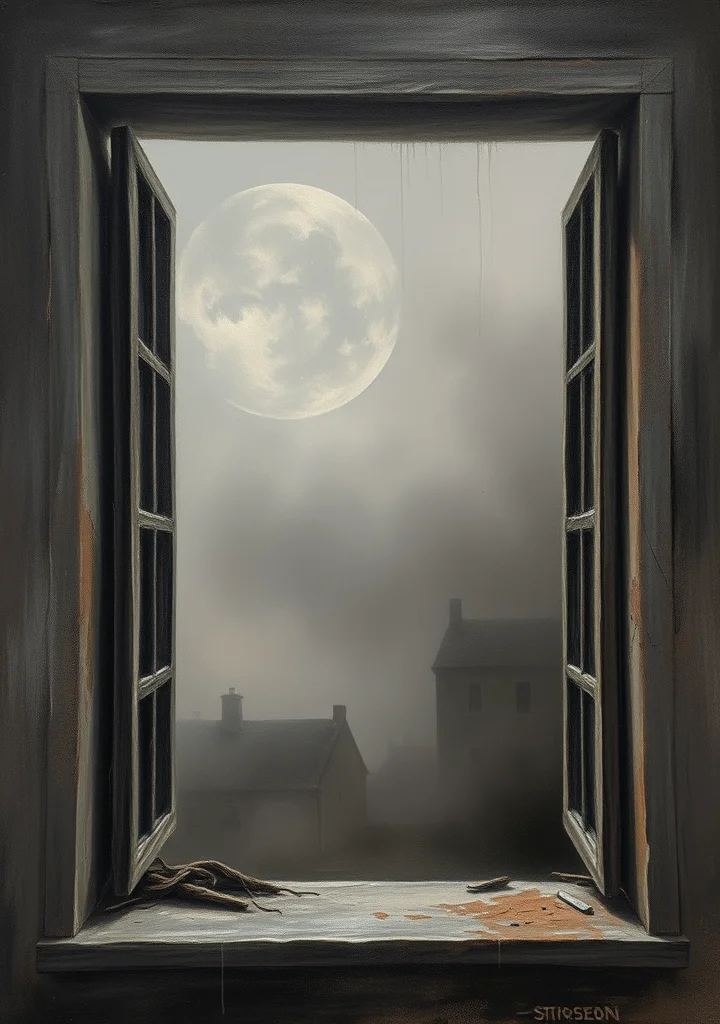
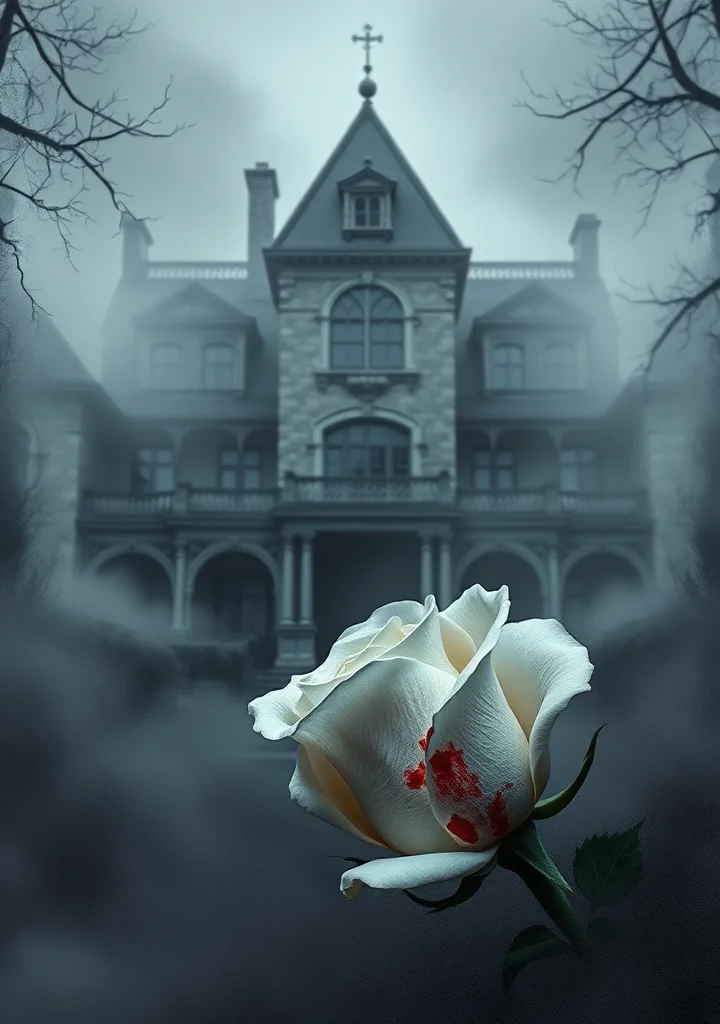
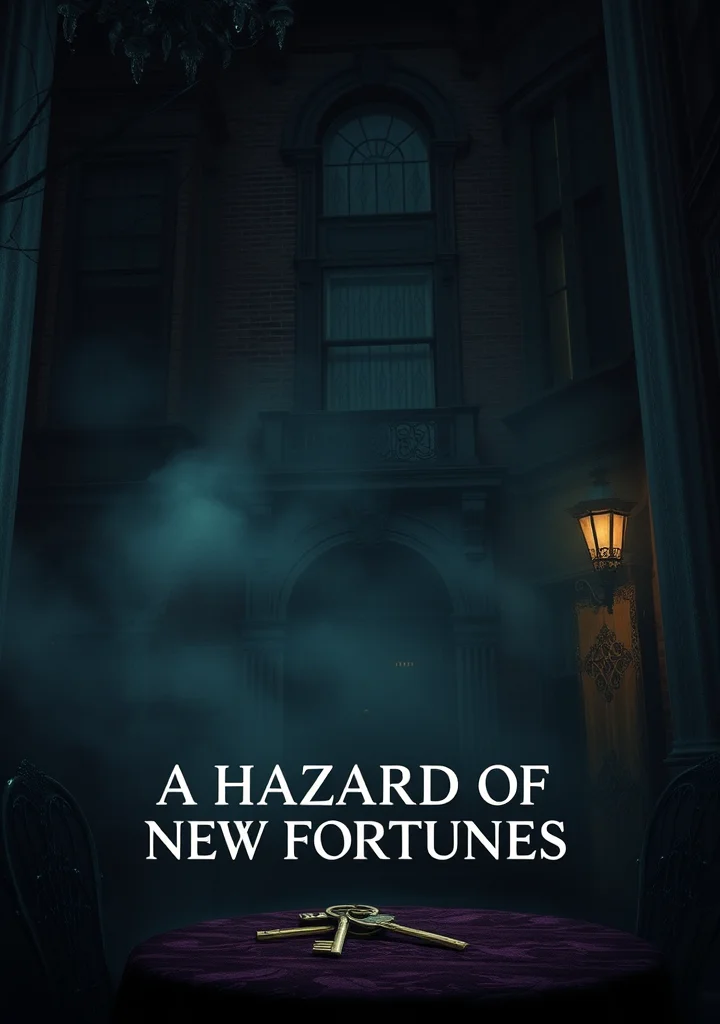
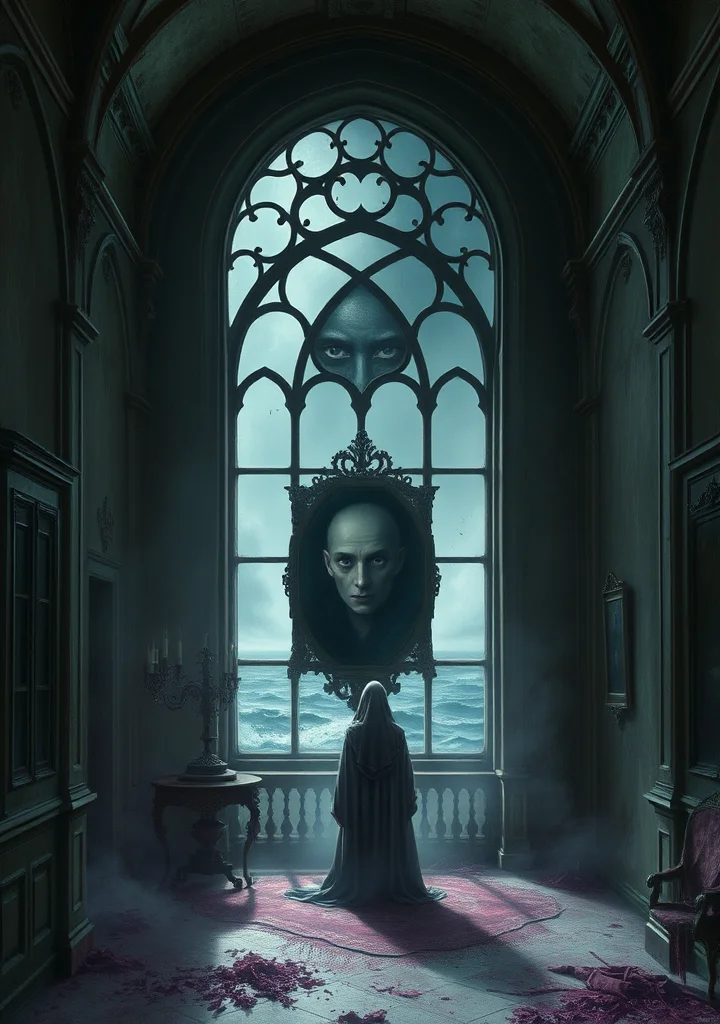
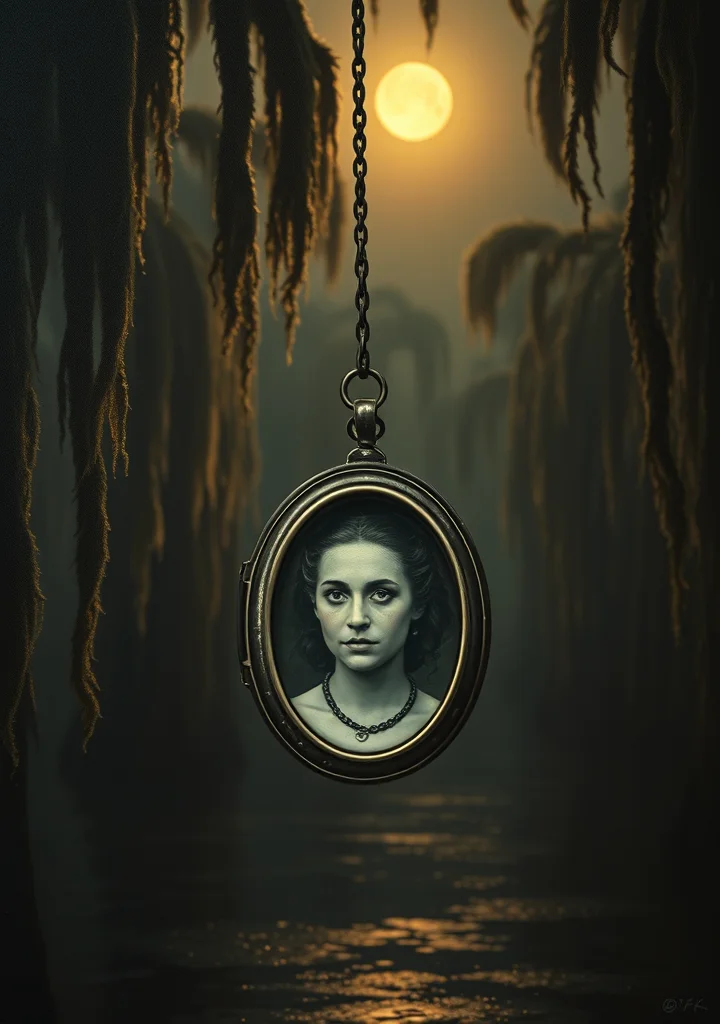
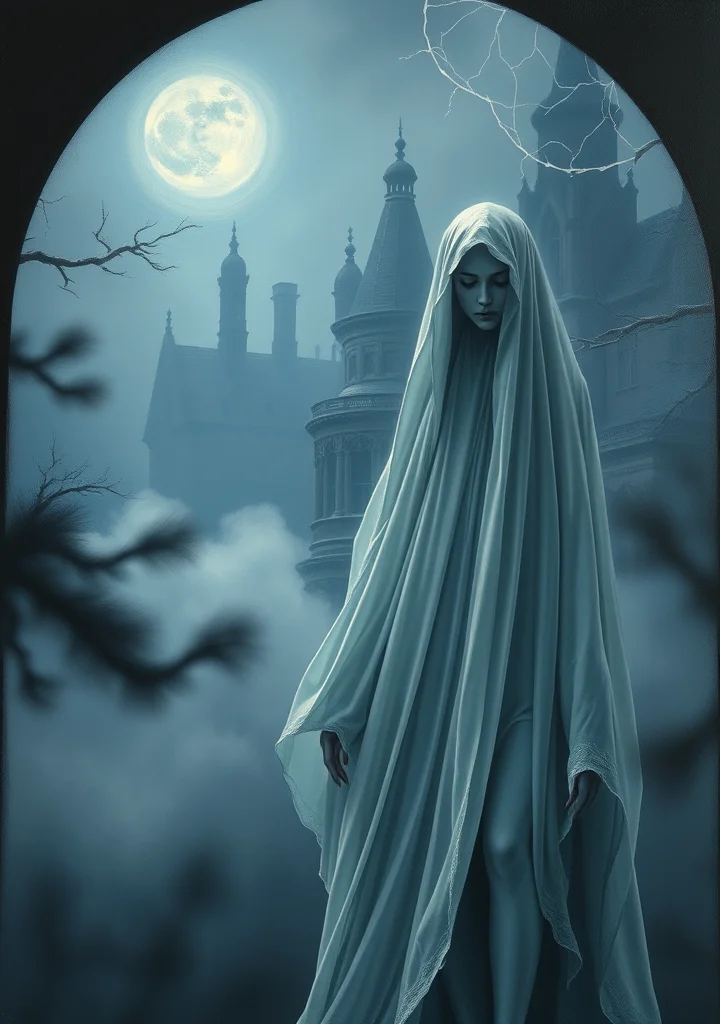
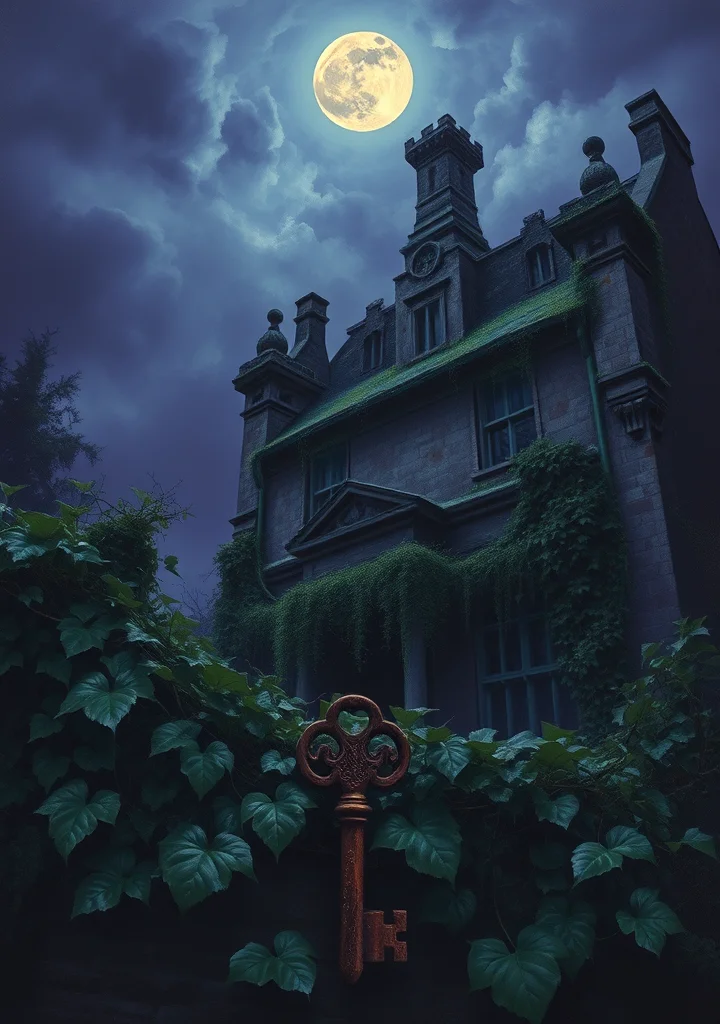
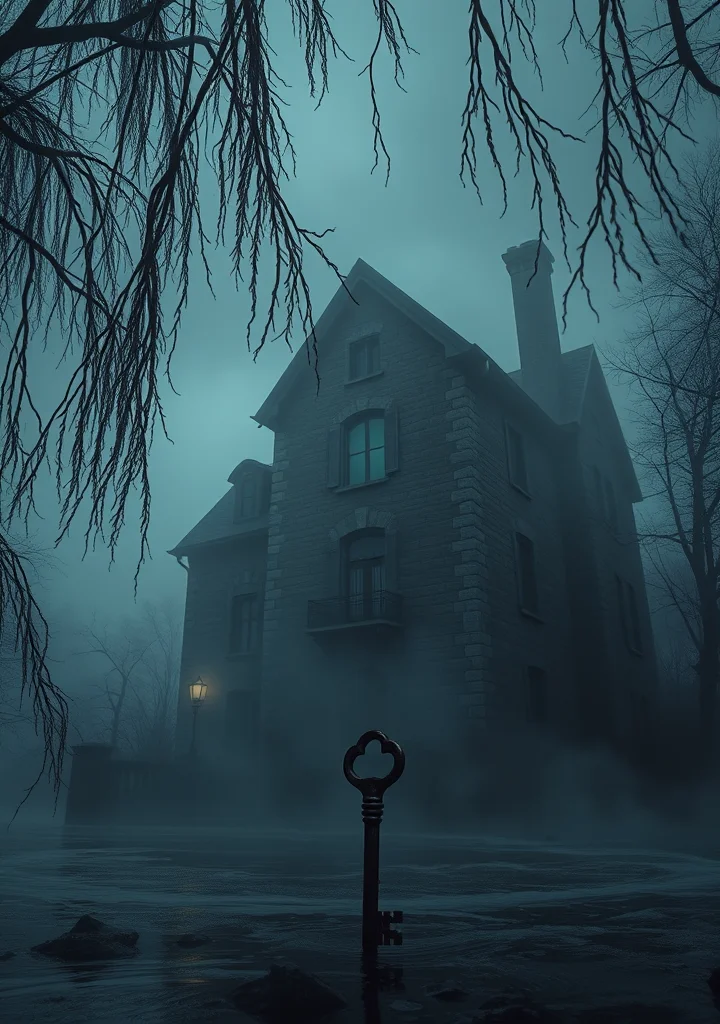
The fog clings to the river like a shroud, mirroring the secrets held within the crumbling stone of Blackwood House. A perpetual twilight descends upon its shadowed halls, where dust motes dance in the slivers of moonlight piercing boarded windows. Old Man Hemlock, the last caretaker, claims the river breathes – exhaling the grief of drowned lovers and the whispers of forgotten sins. The house itself seems to weep, its timbers groaning with the weight of generations consumed by isolation and a creeping despair. Each room is a mausoleum of fading grandeur, layered in silken decay and the scent of river rot. A creeping dread coils around the ankles of anyone who dares to linger, drawn by the echoes of a family fractured by ambition and the promise of a watery grave. The river doesn't just *flow* past Blackwood House; it *remembers*. And it hungers for what was lost to its currents, pulling at the edges of sanity with the lullaby of the deep. The house is not merely haunted by ghosts, but by the very *absence* of hope, a stillness so profound it feels like a heartbeat slowing to a stop.
Copyright: Public Domain
This license allows anyone to use your story for any purpose, including printing, selling, or adapting it into a film freely.
This license allows anyone to use your story for any purpose, including printing, selling, or adapting it into a film freely.
More like this