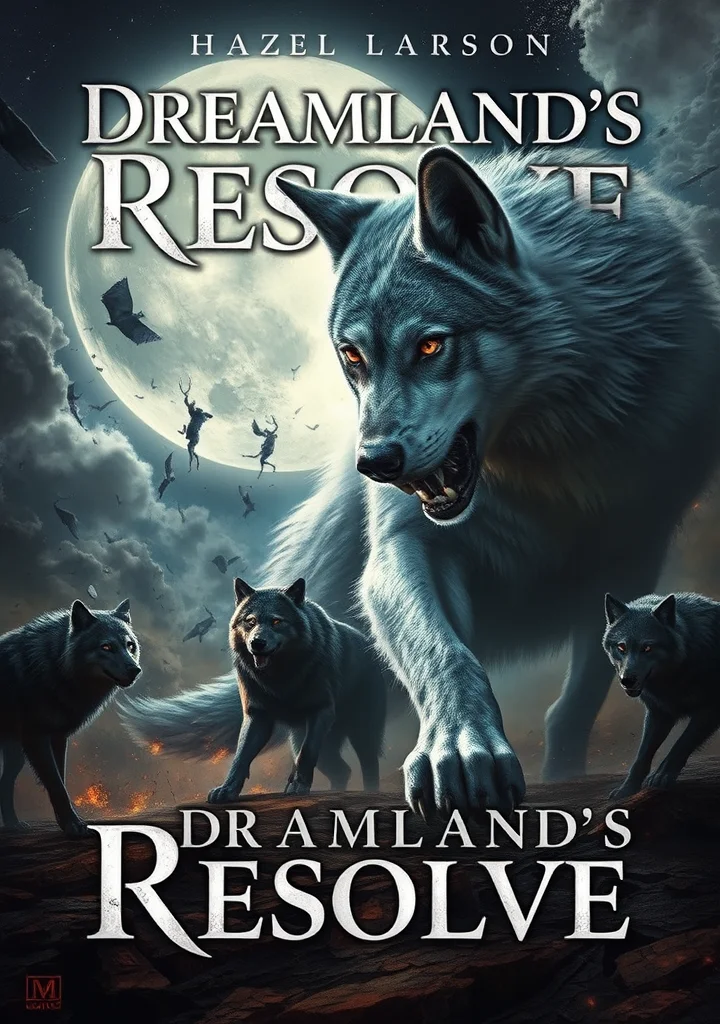

Dreamland's Resolve
  • 9
  • 0
  • 2
  • Read 9
  • 0
  • Part 2
Ongoing, First published May 24, 2026

O romance segue Hazel Larson, Alpha of the Dreamlander Lycans, uma matilha que valoriza a liberdade após o exílio do governo original de Alpha. Estes capítulos revelam um conflito de preparação enquanto a matilha de Hazel enfrenta acusações decisivas da matilha de Duskfall, exigindo uma jornada tensa para resolver a disputa. Enquanto isso, Quinton Porter, Alpha of Duskfall, lida com o dever e seu próprio desejo de um companheiro. Como o perigo surge na forma de um ataque de Vargulfo..
Copyright: All Rights Reserved
No person is allowed to use, redistribute, or modify your work in any form without your explicit permission.
Recommended for you
13 Part
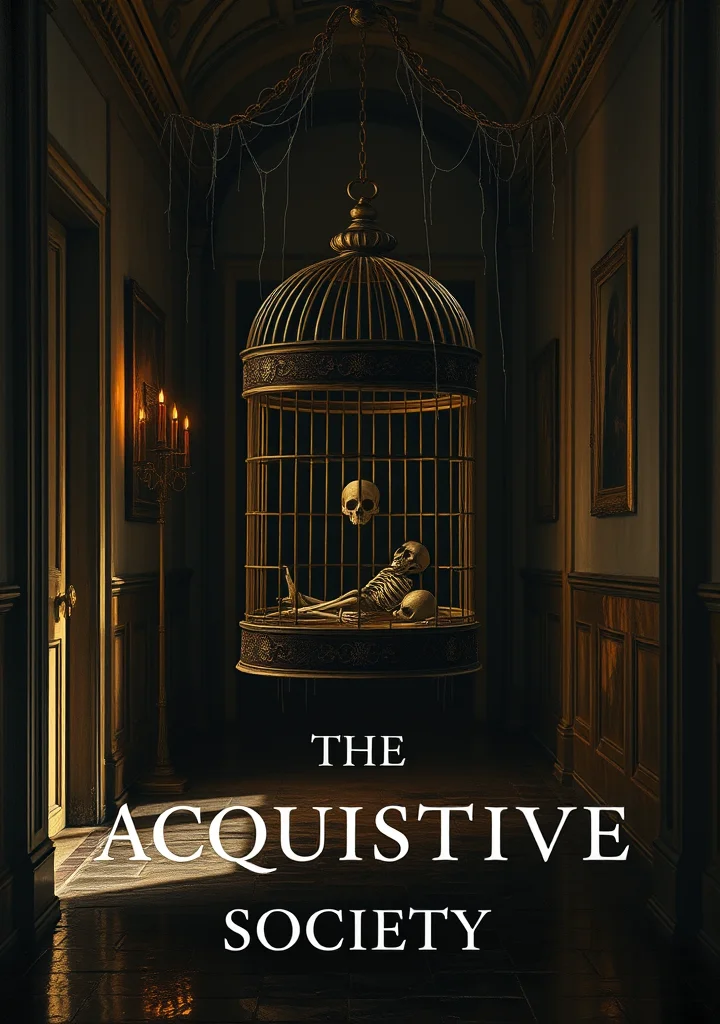
A creeping dampness clings to the cobblestones of Harrowgate, mirroring the rot within the gilded cages of its elite. Tawney’s narrative exhumes a city suffocated not by plague, but by insatiable appetite—a hunger for legacy, for possessions, for the very husks of lives consumed by ambition. Each manor house exhales secrets in the draughty hallways, whispers of fortunes built on shadowed deals and the slow, deliberate erasure of inconvenient kin. The air is thick with the scent of beeswax polish masking decay, of velvet drapes concealing dust-motes dancing in the perpetual twilight. A brittle elegance permeates everything, a performance of refinement barely masking the desperation beneath. The protagonist, a scholar of inherited debts, is drawn into a labyrinth of estates where the acquisition of wealth has birthed a monstrous lineage, each heir a parasite feeding on the dwindling inheritance of their predecessors. Shadows stretch long from the gas lamps, revealing not merely figures in the gloom, but the spectral remnants of those whose possessions were claimed—their faces etched into the very wallpaper, their voices woven into the fabric of the antique furniture. The true horror isn’t the taking of things, but the hollowness that remains when everything has been bought and sold, leaving only the echoing emptiness of a soul willingly traded for another’s gain. A creeping dread permeates every room, a sense of being watched by the objects themselves, each piece of furniture a silent judge, each portrait a veiled accusation.
32 Part
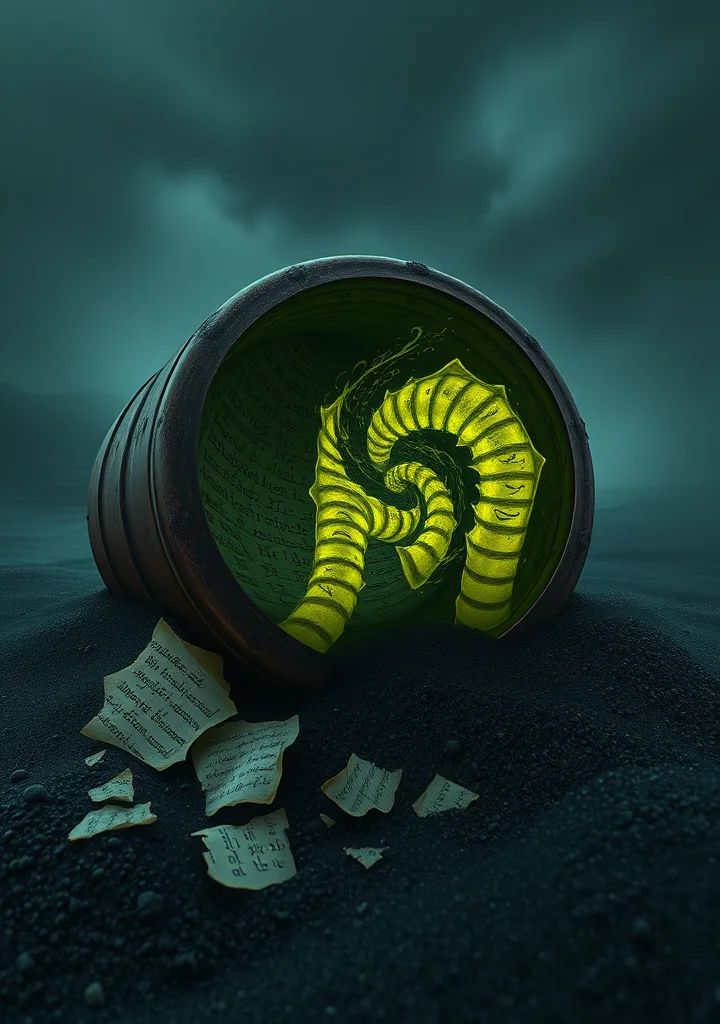
The salt-laced air hangs thick with the scent of decay, mirroring the crumbling timbers of the Nova Scotian fishing village where the tale unfolds. A chilling draught whispers through the narrative, born not of wind, but of the encroaching madness that clings to the manuscript’s pages. It’s a story pulled from the brine-soaked depths of memory, a fragmented confession unearthed within a sealed copper cylinder—a vessel seemingly designed to contain, not preserve, the horror within. The prose itself is feverish, a descent into delirium as the unnamed narrator recounts his journey aboard the *Aurora*, a vessel swallowed by the Arctic’s icy grip. Sunken hulls, phantom ships, and the spectral echoes of a doomed crew bleed into the present, blurring the lines between waking nightmare and frozen reality. A creeping dread permeates every passage, not from monstrous beasts or supernatural horrors, but from the insidious erosion of sanity, the slow unraveling of a man confronted by an impossible truth. The cylinder’s weight, the copper’s cold embrace—these become tangible elements of the narrative’s claustrophobia. The reader is submerged alongside the narrator, adrift on a sea of escalating terror, trapped within a narrative that threatens to consume all reason. It's a story less about what happened, and more about the fracturing of the mind *during* what happened—a descent into the black, echoing void where the Aurora vanished, and something monstrous returned with the thaw. The manuscript doesn’t offer answers, only the chilling certainty that some horrors are best left entombed in the ice, and within the corroded metal of a forgotten cylinder.