
Companheiros Escondidos
  • 8
  • 0
  • 4
  • Read 8
  • 0
  • Part 4
Ongoing, First published May 23, 2026

Este romance segue o Príncipe Maxwell enquanto ele navega por um mundo vinculado por antigos tratados entre lobisomens, humanos e outros seres sobrenaturais. A história se abre para uma estrutura de poder mantida por um Rei oculto, cuja identidade permanece um segredo bem guardado. O próprio caminho de Maxwell é complicado por pressões políticas e pelo peso da expectativa enquanto ele procura por seu companheiro destinado. Quando ele finalmente descobre que ela, Natalie, uma poderosa conexão inflama, mas feridas passadas ameaçam mantê-los separados..
Copyright: All Rights Reserved
No person is allowed to use, redistribute, or modify your work in any form without your explicit permission.
Unlock an audio chapter to start listening.
Recommended for you
32 Part
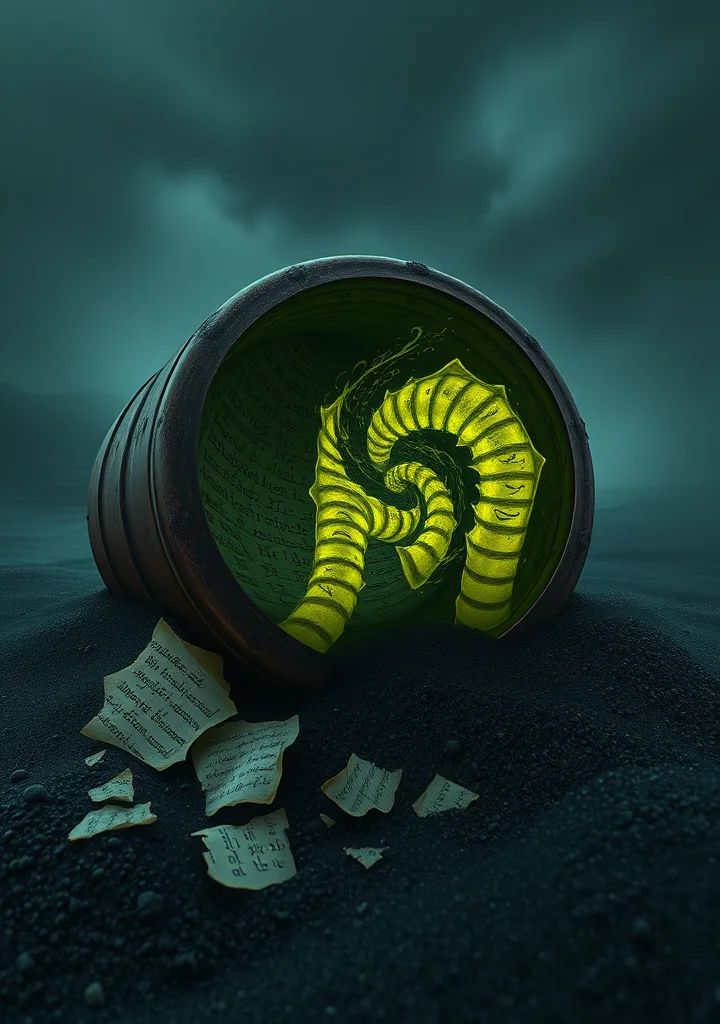
The salt-laced air hangs thick with the scent of decay, mirroring the crumbling timbers of the Nova Scotian fishing village where the tale unfolds. A chilling draught whispers through the narrative, born not of wind, but of the encroaching madness that clings to the manuscript’s pages. It’s a story pulled from the brine-soaked depths of memory, a fragmented confession unearthed within a sealed copper cylinder—a vessel seemingly designed to contain, not preserve, the horror within. The prose itself is feverish, a descent into delirium as the unnamed narrator recounts his journey aboard the *Aurora*, a vessel swallowed by the Arctic’s icy grip. Sunken hulls, phantom ships, and the spectral echoes of a doomed crew bleed into the present, blurring the lines between waking nightmare and frozen reality. A creeping dread permeates every passage, not from monstrous beasts or supernatural horrors, but from the insidious erosion of sanity, the slow unraveling of a man confronted by an impossible truth. The cylinder’s weight, the copper’s cold embrace—these become tangible elements of the narrative’s claustrophobia. The reader is submerged alongside the narrator, adrift on a sea of escalating terror, trapped within a narrative that threatens to consume all reason. It's a story less about what happened, and more about the fracturing of the mind *during* what happened—a descent into the black, echoing void where the Aurora vanished, and something monstrous returned with the thaw. The manuscript doesn’t offer answers, only the chilling certainty that some horrors are best left entombed in the ice, and within the corroded metal of a forgotten cylinder.
30 Part
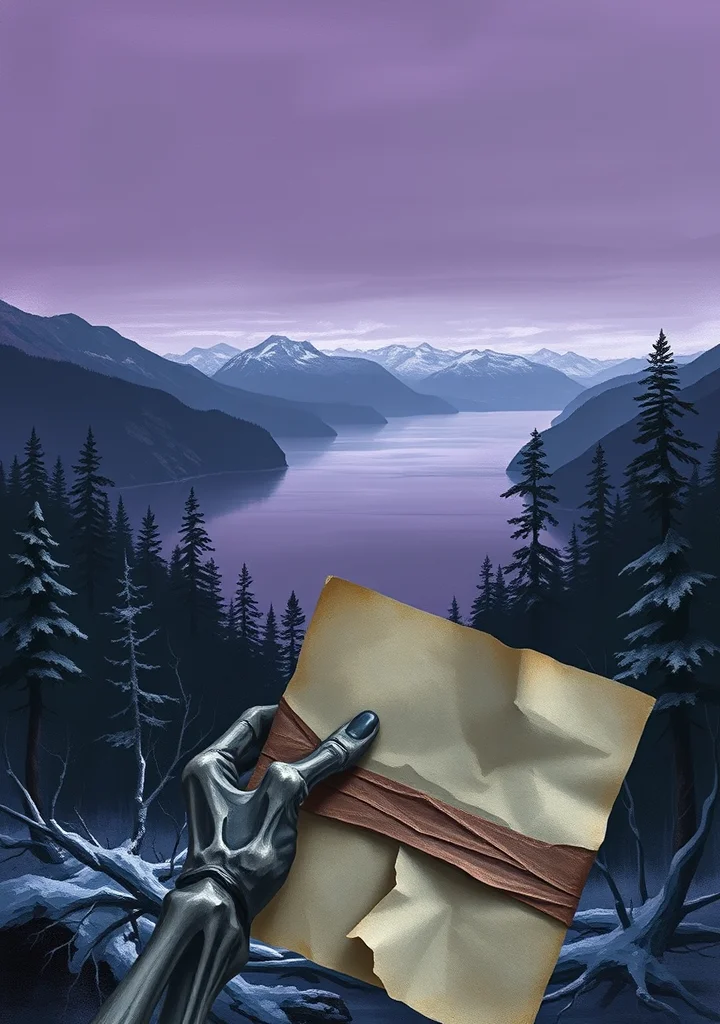
A creeping chill clings to these pages, not of snow-bound landscapes alone, but of a loneliness that permeates the very fjords and shadowed forests. Wollstonecraft’s letters unravel a journey not merely through Scandinavian vistas, but through the fractured landscapes of a woman wrestling with grief, disillusionment, and the suffocating weight of societal expectation. The prose is steeped in a melancholic haze, mirroring the perpetual twilight of the northern realms. Each observation – a peasant’s cottage, a royal court, a desolate stretch of coastline – is rendered with a delicate, almost spectral clarity, haunted by the author’s internal turmoil. There’s a pervasive sense of isolation, amplified by the vastness of the scenery. The narrative doesn't simply *describe* Norway; it *becomes* Norway – a place where the heart, stripped bare by loss, echoes with the silence of ancient stones. A subtle dread permeates the descriptions of prisons and political unrest, hinting at a darkness beneath the veneer of civility. The letters themselves become fragments of a broken mirror, reflecting not just the author's travels, but the fractured state of her own soul, adrift in a land where the boundaries between reality and reverie blur with the long, encroaching shadows. The very air seems to whisper of forgotten tragedies, and a chilling premonition of the author's own unraveling.