
Herland
  • 234
  • 0
  • 13
  • Read 234
  • 0
  • Part 13
Completed, First published Mar 02, 2026

A creeping mist clings to the borders of the forgotten continent, where three men—Van, Terry, and Jeff—dare to venture into a realm whispered about only in the fever dreams of sailors. This is Herland, a land populated solely by women, born of an ancient, impossible isolation. But the silence is not peaceful. It’s a suffocating weight, pressing down on the explorers as they discover a society built not on conquest or domination, but on an unnervingly serene, biological perfection. The air itself tastes of fecundity and decay, a sweet rot blooming in the humid shadows of colossal, vine-choked trees. Each encounter with the Herland mothers—pale, luminous creatures with eyes that hold the weight of millennia—is a slow unraveling of the explorers’ masculine assumptions. The beauty is not inviting, but predatory, a hypnotic lure promising both salvation and annihilation. Walls of emerald moss hide crumbling structures, remnants of a civilization older than history, hinting at a terrible, organic evolution. The men’s desires—lust, ambition, the need to control—become grotesque caricatures reflected back at them in the unnervingly placid faces of their hosts. Herland isn’t a paradise; it’s a chrysalis, and the men are moths drawn to a flame that will consume them, remaking them into something alien and utterly, irrevocably *other*. The further they delve, the more the land breathes around them, a living entity testing, observing, and ultimately, *claiming* them for its own insidious purpose. It is a land not of monsters, but of a singular, terrifying grace.
Copyright: Public Domain
This license allows anyone to use your story for any purpose, including printing, selling, or adapting it into a film freely.
Recommended for you

11 Part
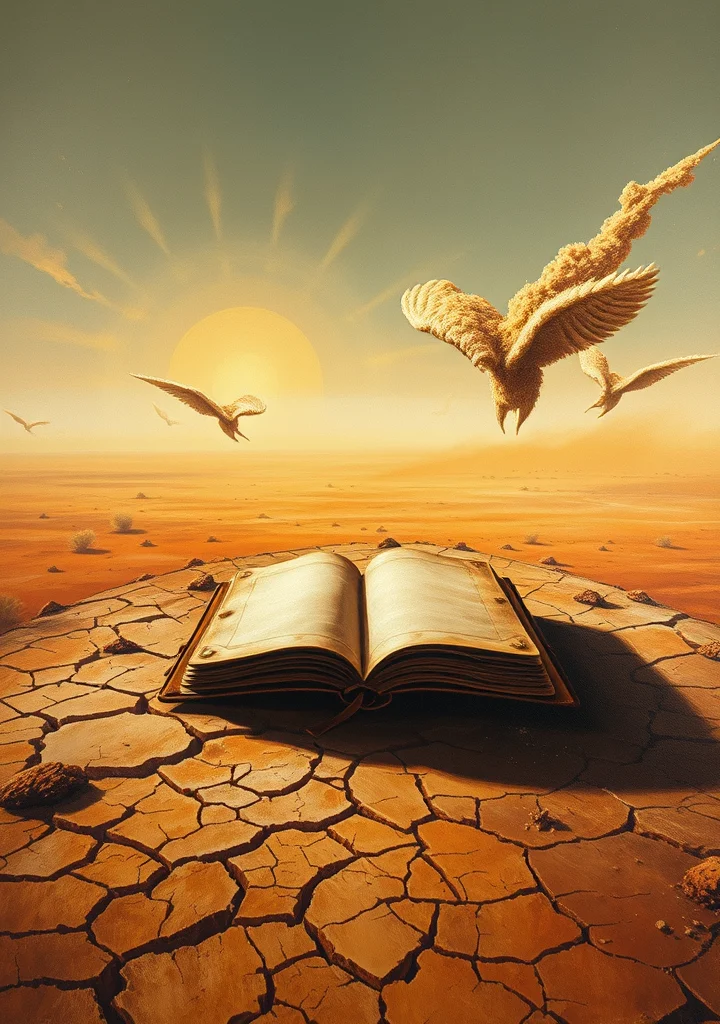
Dust clings to the sun-bleached plains of colonial Australia, mirroring the grit lodged in the throat of Thomas Mitchell, the narrative’s wandering, self-proclaimed “Philosopher.” The air shimmers with heat and the weight of unspoken histories – not grand, heroic ones, but the stifling, stifled lives of men building a nation on borrowed land. This isn’t a story of adventure, but of attrition. A slow, creeping erosion of spirit as Mitchell, and the ghosts of those he encounters – miners, shearers, the broken-hearted – trudge through a landscape both vast and suffocatingly intimate. The novel exhales a melancholic haze, thick with the scent of eucalyptus and the metallic tang of regret. It’s a world where language itself is a burden, a clumsy tool to articulate the aching emptiness of existence. Shadows stretch long and lean across the scrub, mirroring the anxieties of a society grappling with its nascent identity. A sense of profound isolation permeates every page, not from physical distance, but from the unbridgeable gulf between one man’s consciousness and another. There’s a pervasive unease here, a quiet dread woven into the fabric of the mundane. The cattle stations become purgatories, the billabongs reflect not beauty, but a shimmering, watery despair. It's a world where the only true monument is the accumulation of failure, the weight of dreams that sink into the red earth, indistinguishable from the dust they came from. The narrative doesn't rush forward; it lingers, suffocates, until you feel the same exhaustion as the men who built the roads and fences that define their own, inescapable prisons.
9 Part
A pall descends from the shadowed Cambridge rooms, a creeping fog of intellectual rigor and suppressed grief. Mill’s life, laid bare not as triumph but as a slow, exquisite unraveling. The scent of stale ink and decaying liberalism clings to every page, mirroring the stifled passions that choked within his father’s utilitarian gaze. This is not a chronicle of progress, but a meticulous dissection of a mind forged in the crucible of paternal expectation, haunted by the ghost of Bentham’s cold logic. Each chapter is a darkened corridor, echoing with the precise footsteps of a man striving to define himself against the suffocating weight of inherited thought. The narrative breathes with the chill of early mourning, the suffocating weight of a childhood spent mastering logic whilst denying the unruly currents of the heart. Later, the light flickers and fails amidst the bureaucratic labyrinths of the East India Company, a spectral empire built on the dust of forgotten lives. The prose itself is a mausoleum of measured restraint, each sentence a carefully placed stone concealing the raw, bleeding wounds beneath. It is a testament to the art of internalizing agony, of building a fortress of reason around a core of aching vulnerability. A study in grey, in the precise geometry of despair, this autobiography is not merely read, but *felt* - a slow, deliberate descent into the labyrinth of a life lived in the shadows of its own formidable intellect. The silence within the text is as deafening as the clamor of London streets, a testament to the unacknowledged voids at the heart of a life relentlessly dedicated to thought.
2421 Part
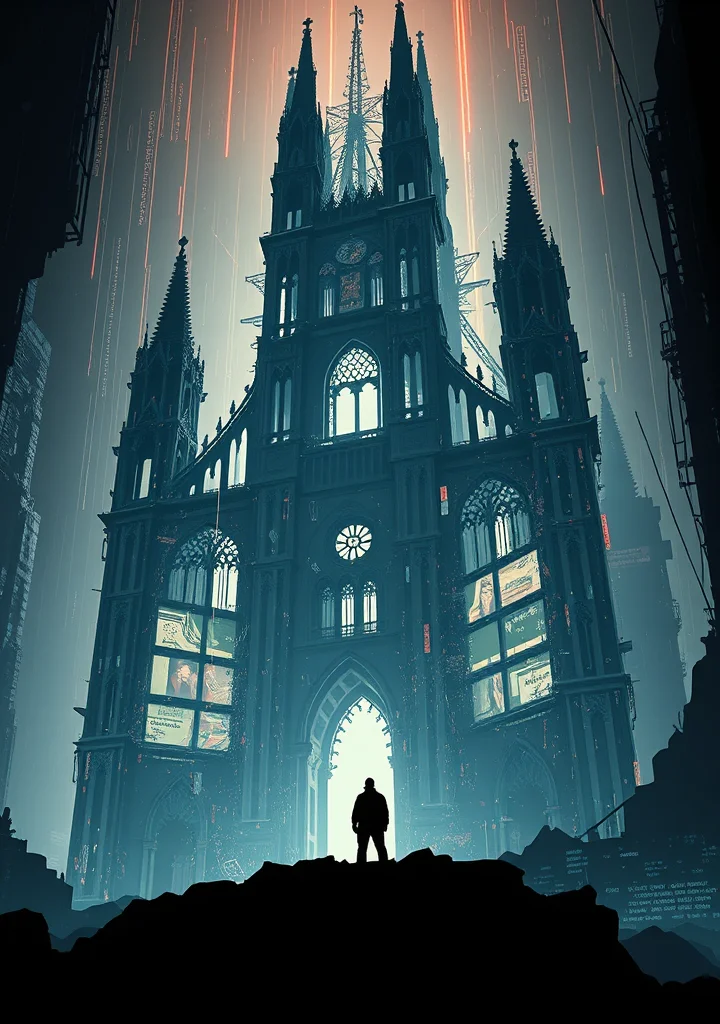
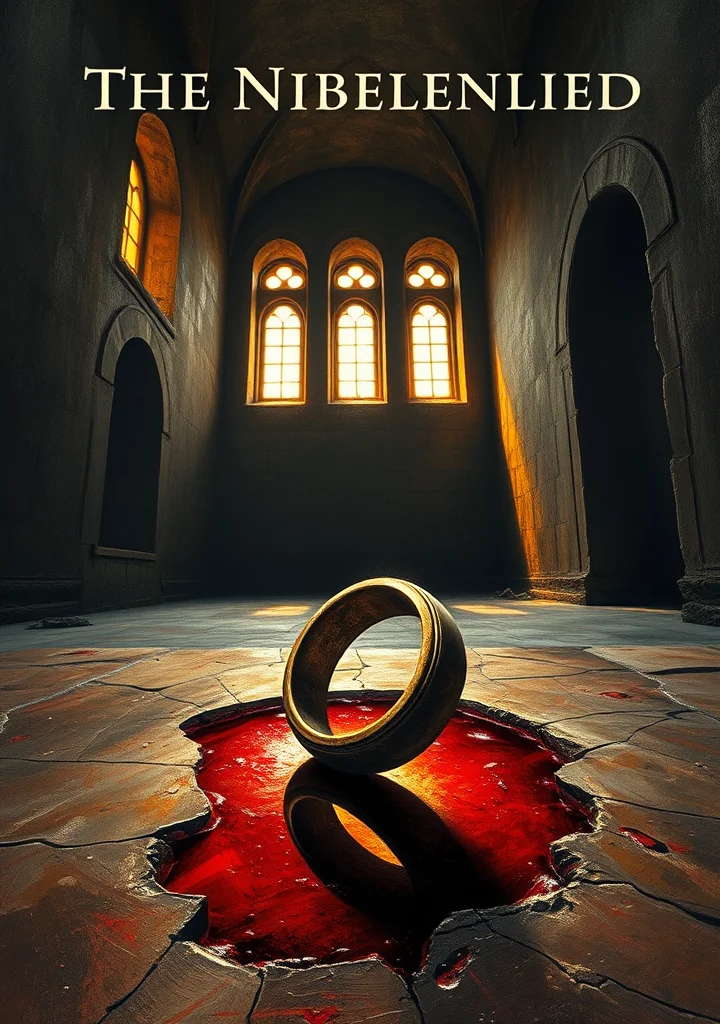
A creeping dread clings to the shadowed halls of Burgunden, where the echoes of ancient pacts and broken vows stain the stone with crimson. This is not a tale of heroes, but of a rot blooming within the heart of a kingdom—a festering wound carved by ambition and fueled by the lust for gold. The clang of steel is ever-present, not in glorious battle, but in the hushed corners of betrayal. Each gilded chain, each forged ring, whispers of a doom woven into the very fabric of the Nibelungs’ legacy. The river Rhine holds more than just the shimmering hoard; it carries the spectral lament of a bride stolen, a vengeance born of ice and night. Crimson stains the snows, not from winter’s chill, but from the spilling of blood under a moon that witnesses every fractured oath. Walls weep with the memory of feasts where deceit was served alongside wine, and the laughter of kings rings hollow as they dance toward their inevitable, brutal reckoning. The air is thick with the scent of pine resin and the metallic tang of iron, a perfume of decay that clings to the damp stone of castles and the frosted breath of dying men. Shadows stretch long and hungry, mirroring the growing darkness within the souls of those who chase power beyond its rightful measure. A sickness of the soul permeates the land, and the weight of prophecy feels like a shroud tightening around the throat, promising only the hollow echo of a fallen empire. The world is poised on a knife’s edge, where honor is a forgotten word and the only certainty is the coming storm of ruin.