
Such Is Life
  • 73
  • 0
  • 11
  • Reads 73
  • 0
  • Part 11
Completed, First published Mar 02, 2026

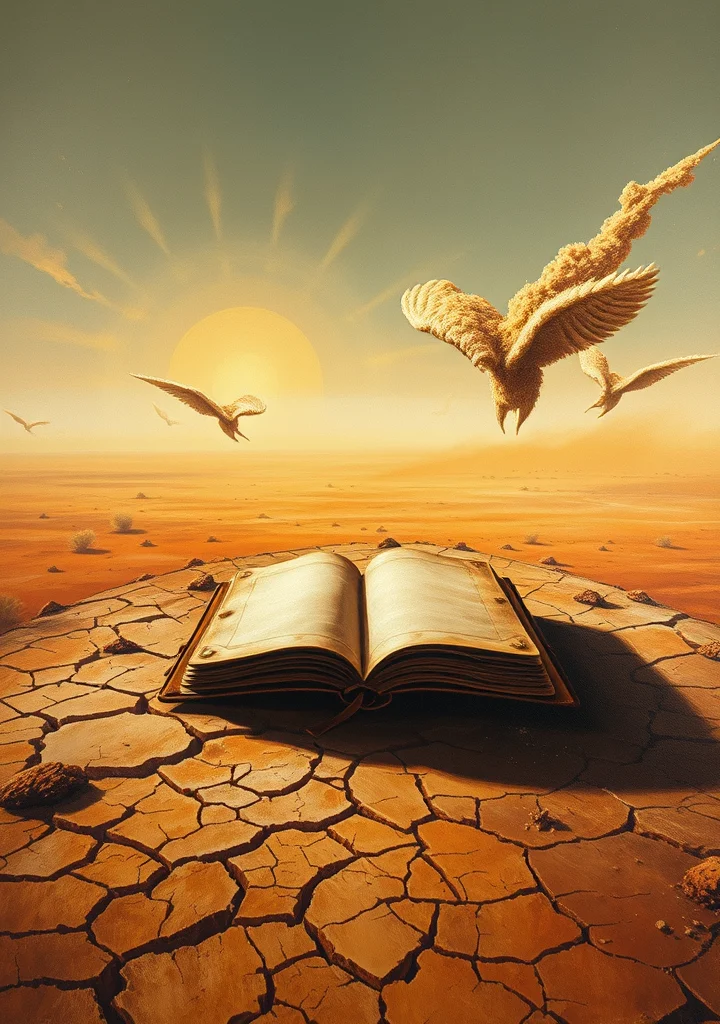
Dust clings to the sun-bleached plains of colonial Australia, mirroring the grit lodged in the throat of Thomas Mitchell, the narrative’s wandering, self-proclaimed “Philosopher.” The air shimmers with heat and the weight of unspoken histories – not grand, heroic ones, but the stifling, stifled lives of men building a nation on borrowed land. This isn’t a story of adventure, but of attrition. A slow, creeping erosion of spirit as Mitchell, and the ghosts of those he encounters – miners, shearers, the broken-hearted – trudge through a landscape both vast and suffocatingly intimate. The novel exhales a melancholic haze, thick with the scent of eucalyptus and the metallic tang of regret. It’s a world where language itself is a burden, a clumsy tool to articulate the aching emptiness of existence. Shadows stretch long and lean across the scrub, mirroring the anxieties of a society grappling with its nascent identity. A sense of profound isolation permeates every page, not from physical distance, but from the unbridgeable gulf between one man’s consciousness and another. There’s a pervasive unease here, a quiet dread woven into the fabric of the mundane. The cattle stations become purgatories, the billabongs reflect not beauty, but a shimmering, watery despair. It's a world where the only true monument is the accumulation of failure, the weight of dreams that sink into the red earth, indistinguishable from the dust they came from. The narrative doesn't rush forward; it lingers, suffocates, until you feel the same exhaustion as the men who built the roads and fences that define their own, inescapable prisons.
Copyright: Public Domain
This license allows anyone to use your story for any purpose, including printing, selling, or adapting it into a film freely.
Recommended for you
53 Part
A creeping dread clings to the marshes of northern England, a suffocating fog mirroring the insidious presence that stalks the lives of Arthur Grimstone and his neighbors. It begins with whispers—a monstrous shape glimpsed in the peat bogs, livestock mutilated with unnatural precision, a chillingly human intelligence behind acts of escalating violence. The village of Stilton, already steeped in the melancholy of isolation, is slowly consumed by a terror born of the mire, a thing both animalistic and eerily, deliberately *aware*. Grimstone, a man haunted by his own rigid morality and the suffocating weight of Victorian expectation, finds himself drawn into a desperate pursuit of this creature—a pursuit that unravels not just the boundaries of his sanity, but the very foundations of his world. The Beetle is not merely a beast; it is a distortion, a parasite of the soul, weaving itself into the fabric of their lives, mirroring their darkest desires and festering resentments. Each encounter leaves a residue of cold, damp fear, the scent of decay clinging to the air long after the creature vanishes. The narrative descends into a labyrinth of shadowed alleys, decaying workhouses, and the claustrophobic interiors of Victorian homes—a suffocating world where the line between hunter and hunted blurs, and the monstrous Beetle becomes a terrifying reflection of the darkness within us all. The creeping dread isn't merely *of* the creature, but of the creeping rot *within* the very heart of the village, and within Grimstone himself.
26 Part
A creeping dread permeates the Siberian salt mines, where the air hangs thick with the ghosts of ambition and despair. Here, amidst the brutal calculus of exile, men are stripped not of their lives, but of their names, their histories, their very humanity. The narrative coils around a nameless narrator, a gentleman condemned to this frozen hell for a crime barely remembered, a sin buried beneath layers of bureaucratic indifference and the suffocating weight of the steppe. The narrative isn't merely a chronicle of survival, but a descent into the fractured psyche of men driven to madness by confinement and the absence of hope. Each cell becomes a confessional, each inmate a decaying testament to a past life—a merchant, a nobleman, a thief—now reduced to shivering shadows haunting the echoing corridors of the mine. A pervasive sense of claustrophobia clings to the prose, mirroring the tunnels that burrow into the earth and into the souls of those entombed within. The light is a dying ember, barely warding off the encroaching darkness that seeps into every corner of the narrative. It is a world where the boundaries between the living and the dead blur, where the true horror lies not in the physical torment, but in the slow, agonizing erosion of the spirit, a descent into a hollowed-out existence mirroring the very earth that claims them all. The house itself is not stone and mortar, but the collective grief and decay of every man condemned to its icy embrace.