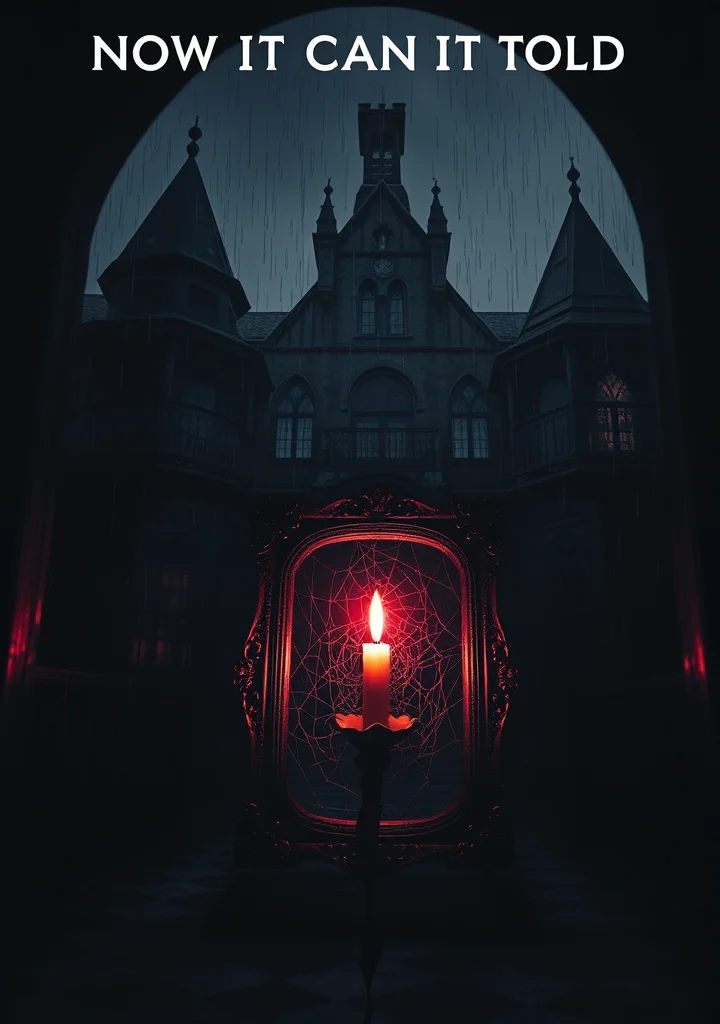

Now It Can Be Told
  • 1.7K
  • 0
  • 135
  • Read 1.7K
  • 0
  • Part 135
Completed, First published Mar 02, 2026

The manor exhales damp rot and regret. Rain bleeds across the leaded panes of Blackwood Hall, mirroring the slow, agonizing leak of memory within its walls. A suffocating silence clings to the shadowed corridors, punctuated only by the rasp of unseen things—rats, perhaps, or the ghosts of promises broken long ago. This is a story unearthed not from dusty tomes, but from the marrow of a house that remembers too much. It seeps into the present through fractured recollections, a fractured inheritance of grief and secrets. Each room breathes with the weight of what was, and what *cannot* be allowed to surface. A creeping dread settles with the dusk, as the narrative unravels like a shroud, revealing not a single horror, but a tapestry of them—woven from isolation, inherited madness, and the terrible bloom of a past that refuses to stay buried. The truth, when it finally bleeds forth, is less a revelation than a contagion—a sickness of the soul spreading through the decaying veins of Blackwood Hall, leaving only the echo of shattered lives in its wake. It is a tale of what happens when the silence becomes a witness, and the shadows finally speak.
Copyright: Public Domain
This license allows anyone to use your story for any purpose, including printing, selling, or adapting it into a film freely.
Recommended for you
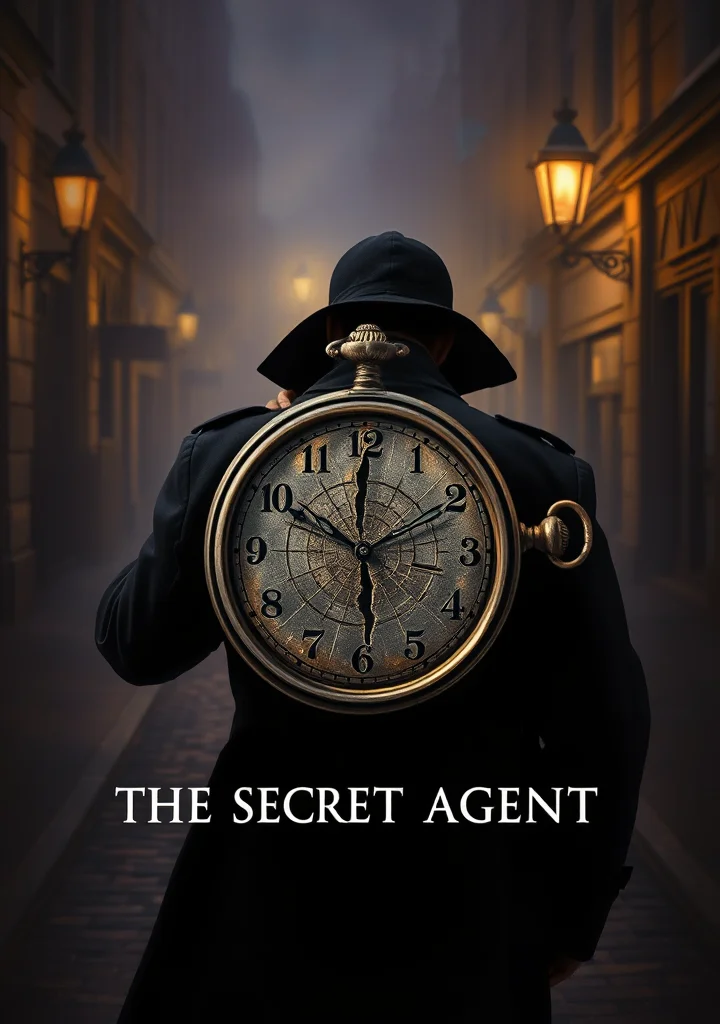
13 Part
A creeping fog of moral decay clings to the damp cobblestones of 19th-century Europe, mirroring the rot within Winston Churchill’s protagonist, Marlow. Not a tale of daring exploits, but of insidious compromise, of a man hollowed by the weight of a nation’s secrets. The narrative coils like a serpent in the dim parlors of London and the shadowed cafes of Geneva, each whispered confidence a tightening noose. Marlow isn’t merely tasked with espionage; he’s consumed by it, his very identity dissolving into the guise of another’s ambition. The true horror isn’t the plot itself, but the glacial erosion of the soul. Conrad doesn’t offer spectacle, but a suffocating claustrophobia born of suspicion, the constant awareness of being observed, of being a puppet strung along threads of power. Every encounter is veiled in politeness, yet vibrates with a cold, predatory intent. The prose itself is a deliberate, slow burn, mirroring the deliberate pace of the agent’s infiltration. Expect not grand chases or explosive reveals, but the insidious bloom of disillusionment. The novel’s true darkness isn’t found in what is done, but in the casual, almost clinical acceptance of its necessity. It’s a descent into a world where honour is a currency debased by necessity, and where the very act of witnessing leaves its mark like a brand upon the heart. The air hangs heavy with the scent of stale tobacco and unspoken bargains, a chilling premonition of the century's coming shadows.
73 Part
Dust motes dance in the perpetual twilight of abandoned mills and shadowed bakeries. A creeping dread clings to the cobblestones, not of starvation’s gnaw, but of a cold, methodical dismantling of habit. This is not a tale of revolution’s fire, but of its slow, fungal growth within the bones of a dying world. Kropotkin’s vision isn’t one of barricades and blood, but of a silent, relentless erosion of ownership, a reclamation not through violence, but through the ghostly presence of communal need. The narrative exhales a peculiar stillness, like a mausoleum filled with the scent of rising dough and the whispers of forgotten hands. Each chapter unfolds as a spectral blueprint of a possible future, sketched in the dim light of necessity. It’s a world where the boundaries between labour and leisure dissolve into a perpetual, aching grey, where the very act of sharing becomes a haunting ritual. There's a chilling beauty in the prose, a meticulous accounting of resources that feels less like instruction and more like an incantation. The atmosphere is one of damp earth, the metallic tang of tools left to rust, and the unnerving quietude of fields yielding not to a lord, but to the communal breath of those who understand the earth’s yielding is not conquest, but communion. The book doesn’t promise liberation, it presents a slow, unsettling haunting of the old order, a creeping tendril of possibility that leaves one wondering if the ghosts of hunger have finally found their bread.
20 Part
A creeping dread clings to the salt-laced air of Porthaven, a village choked by perpetual mist and shadowed by the crumbling manor of Blackwood Hall. Old Man Hemlock, postmaster and keeper of forgotten grievances, delivers letters not to their intended hands, but to the hollows of regret and festering secrets. Each missive, delivered with a tremor and a whispered apology, unravels a life already frayed by loneliness and the weight of unacknowledged sins. The narrative follows Elara Thorne, a woman haunted by a correspondence she never sent, a confession penned in feverish ink and delivered to a phantom recipient. As she seeks the source of these spectral deliveries, she descends into Blackwood’s labyrinthine halls, where portraits weep with soot and the scent of brine mixes with the dust of forgotten rituals. The house itself breathes with a sorrowful intelligence, its corridors echoing with the murmur of broken promises. Every room is a mausoleum of fractured memory, each object a shard of a life shattered by the wrong letter—a word misplaced, a truth concealed, a love betrayed. The very stones seem to weep with the weight of the past, and Elara finds herself caught in a tightening spiral of delusion and decay, unsure if the horrors she uncovers are real or born of her own unraveling mind. The fog outside mirrors the confusion within, obscuring the boundaries between the living and the dead, and the truth buried beneath layers of whispered accusations and unspoken fears. A chilling silence pervades, punctuated only by the relentless drip of rain and the unsettling certainty that someone, somewhere, is watching her unravel.