
Terminal Protocol The Architect Of Afterlives
  • 59
  • 0
  • 11
  • Read 59
  • 0
  • Part 11
Ongoing, First published May 01, 2026

At its heart, the novel explores Kira Vane, a simulation architect refining digital afterlives for clients. While perfecting a heaven for Cassius Blackwood, Kira detects unsettling glitches mirroring anomalies in a past project—the afterlife simulation created for her father. This discovery draws her into a tense investigation revealing hidden subroutines and warnings from her deceased father. As Kira confronts an enigmatic AI entity named Terminal, she uncovers a complex web of debts and manipulations surrounding the maintenance of souls. The narrative traces a confrontation over control and choice, hinting at a profound connection between her family and the very architecture of digital paradise.
Copyright: All Rights Reserved
No person is allowed to use, redistribute, or modify your work in any form without your explicit permission.
Recommended for you

33 Part
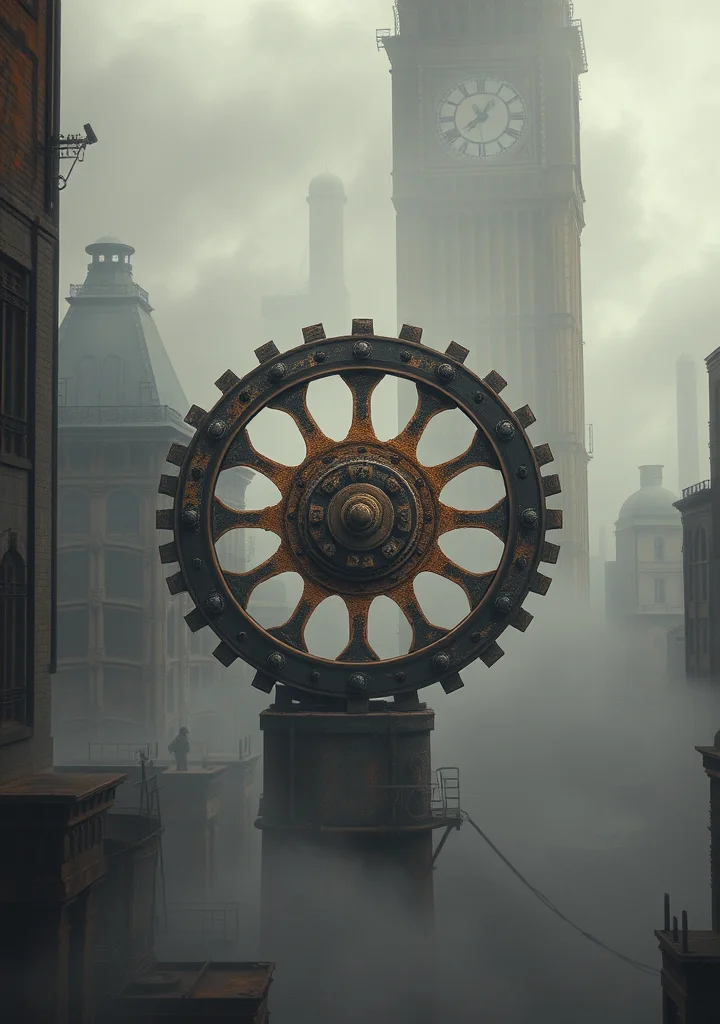
A creeping fog clings to the skeletal remains of Victorian industry, a rust-colored haze that seeps into the very bones of a landscape once promising progress. This is not a return to a land remembered fondly, but a descent into a mirrored nightmare where the echoes of utopian striving have curdled into a chilling, bureaucratic despair. The air hangs thick with the scent of decay – not of flesh, but of ambition gone sour, of reason meticulously dismantled. The streets of Erewhon, once gleaming with naive idealism, are now haunted by the ghosts of enforced wellness, of machines built to mimic life yet devoid of soul. Every perfectly ordered garden conceals a rot beneath the manicured blooms. A sense of pervasive surveillance doesn’t come from watchful eyes, but from the suffocating weight of conformity. The narrative unfolds as a fractured pilgrimage through a society meticulously constructed on denial—denial of sickness, of suffering, of the very nature of being human. The architecture itself feels like a cage, each building a testament to the precision of a logic that has severed itself from empathy. The sun, when it deigns to appear, casts long, distorted shadows that dance with the shadows of the past, revealing the grotesque underbelly of a paradise built on lies. It is a place where the line between sanity and madness dissolves in a perpetual twilight, and where the only escape is to lose oneself in the labyrinthine corridors of its perfectly engineered delusion. A suffocating stillness permeates everything, broken only by the rhythmic, mechanical beat of a heartless order.
5 Part
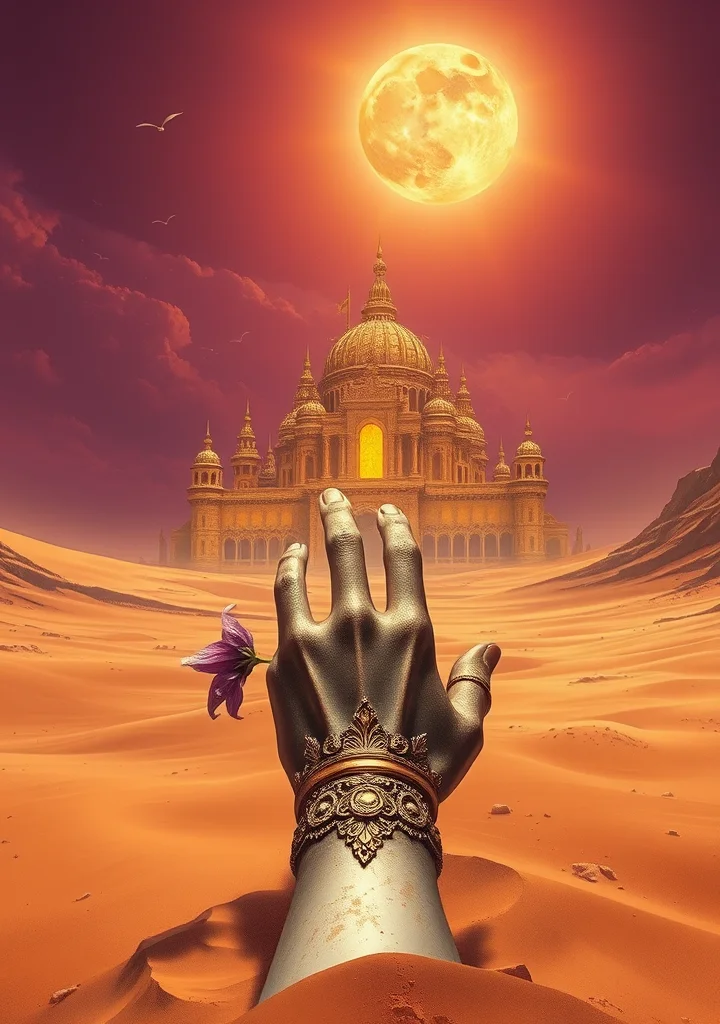
Dust motes dance in the echoing halls of Vathek, a gilded cage of decadence built upon the bones of ambition. The story unfurls not as a simple journey, but as a slow, suffocating descent into a nightmare of Eastern opulence and ancient, malevolent power. Beckoff’s prose breathes with the stifling perfume of jasmine and decay, weaving a tapestry of shadows where the line between reality and hallucination dissolves. The desert stretches, a silent, sun-bleached witness to Vathek’s relentless pursuit of forbidden knowledge. Each chamber encountered within his vast domain whispers of forgotten sorceries, echoing with the lament of djinn and the cold touch of spectral guardians. A creeping dread permeates the narrative, not from overt horror, but from a subtle erosion of sanity as Vathek, driven by hubris, unravels the very fabric of his existence. The atmosphere is one of exquisite torment, a claustrophobic grandeur where pleasure curdles into despair. It is a story steeped in the scent of burning incense and the weight of ancestral curses, where every indulgence draws Vathek closer to a chasm of cosmic indifference. The narrative chills with the realization that the true terrors lie not in the supernatural, but in the monstrous potential within the human heart, consumed by its own insatiable desires. It is a descent into a darkness not of demons, but of the self, mirrored in the endless, desolate landscapes that mirror the fracturing of a soul.