
Rei Rei da Reclamação
  • 7
  • 0
  • 1
  • Read 7
  • 0
  • Part 1
Ongoing, First published Jun 04, 2026

A narrativa traça as tensões crescentes dentro das famílias Green e King como Hades King, um poderoso chefe da máfia, persegue sua obsessão de longa data com Hope Green. Esses capítulos revelam uma complexa teia de ambição, manipulação e ressentimento fervente. Enquanto Hope navega por relacionamentos românticos, sua dinâmica familiar - particularmente os laços de seu pai com o império de Hades - cria um conflito crescente. Um envolvimento forçado dentro da própria família provoca ressentimento e controle, enquanto Hope 'desejos.
Copyright: All Rights Reserved
No person is allowed to use, redistribute, or modify your work in any form without your explicit permission.
Recommended for you
73 Part
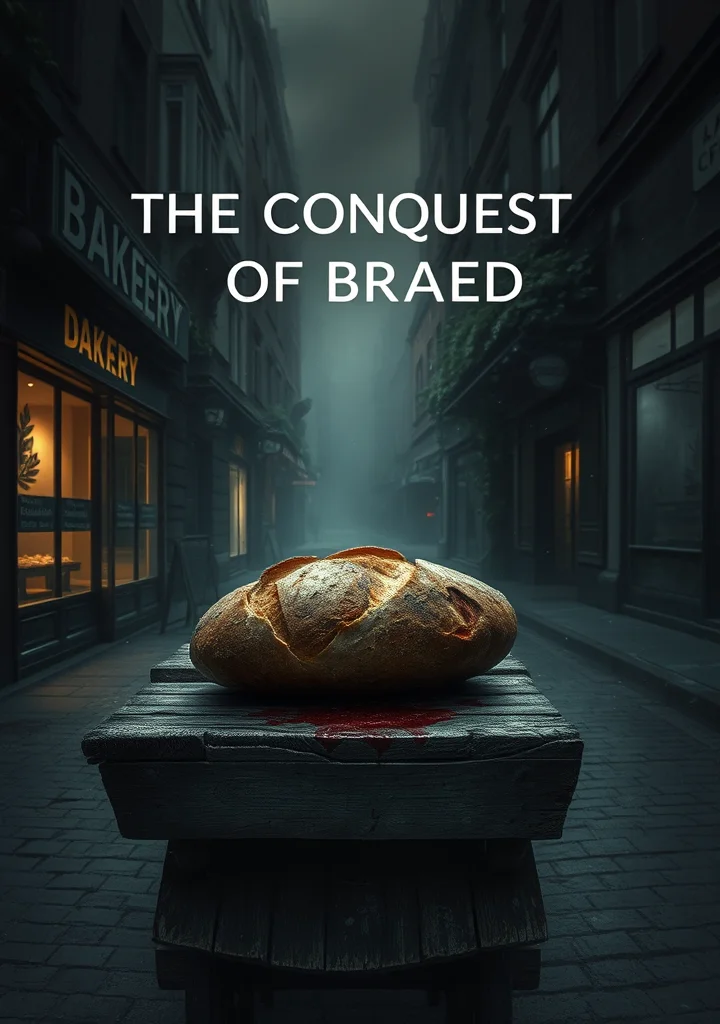
Dust motes dance in the perpetual twilight of abandoned mills and shadowed bakeries. A creeping dread clings to the cobblestones, not of starvation’s gnaw, but of a cold, methodical dismantling of habit. This is not a tale of revolution’s fire, but of its slow, fungal growth within the bones of a dying world. Kropotkin’s vision isn’t one of barricades and blood, but of a silent, relentless erosion of ownership, a reclamation not through violence, but through the ghostly presence of communal need. The narrative exhales a peculiar stillness, like a mausoleum filled with the scent of rising dough and the whispers of forgotten hands. Each chapter unfolds as a spectral blueprint of a possible future, sketched in the dim light of necessity. It’s a world where the boundaries between labour and leisure dissolve into a perpetual, aching grey, where the very act of sharing becomes a haunting ritual. There's a chilling beauty in the prose, a meticulous accounting of resources that feels less like instruction and more like an incantation. The atmosphere is one of damp earth, the metallic tang of tools left to rust, and the unnerving quietude of fields yielding not to a lord, but to the communal breath of those who understand the earth’s yielding is not conquest, but communion. The book doesn’t promise liberation, it presents a slow, unsettling haunting of the old order, a creeping tendril of possibility that leaves one wondering if the ghosts of hunger have finally found their bread.
25 Part
A creeping dread clings to the snow-swept moors, mirroring the chill that settles in the heart of the protagonist. Buchan’s *Midwinter* unfolds within a decaying manor house, isolated by blizzards and shadowed by ancient, malevolent histories. The narrative breathes with the icy air, each chapter a descent into fractured memory and suppressed guilt. Dust motes dance in the fractured light of dying embers, illuminating portraits of stern, unforgiving faces—ancestors who seem to watch, judge, and subtly influence the present. The estate itself is almost a character, its stone bones groaning under the weight of winter’s fury and the weight of secrets. Rooms whisper with echoes of past tragedies, the scent of damp earth and forgotten perfume clinging to velvet drapes. A pervasive sense of claustrophobia, not just physical but psychological, permeates the narrative. The protagonist is haunted by fragments of a stolen inheritance, a fractured legacy, and the specter of a betrayal that unravels with each falling snowflake. The novel doesn’t deliver grand horrors, but a suffocating atmosphere of unease—a slow, deliberate unraveling of sanity amidst a landscape that mirrors the fractured state of the soul. It’s a story steeped in the melancholic beauty of decay, where the true darkness resides not in the supernatural, but in the cold, brittle spaces within the human heart. The silence of the winter landscape is broken only by the howl of the wind, and the whispers of a past determined to claim its due.