
The Confessions of Arsène Lupin
  • 177
  • 0
  • 10
  • Read 177
  • 0
  • Part 10
Completed, First published Mar 02, 2026

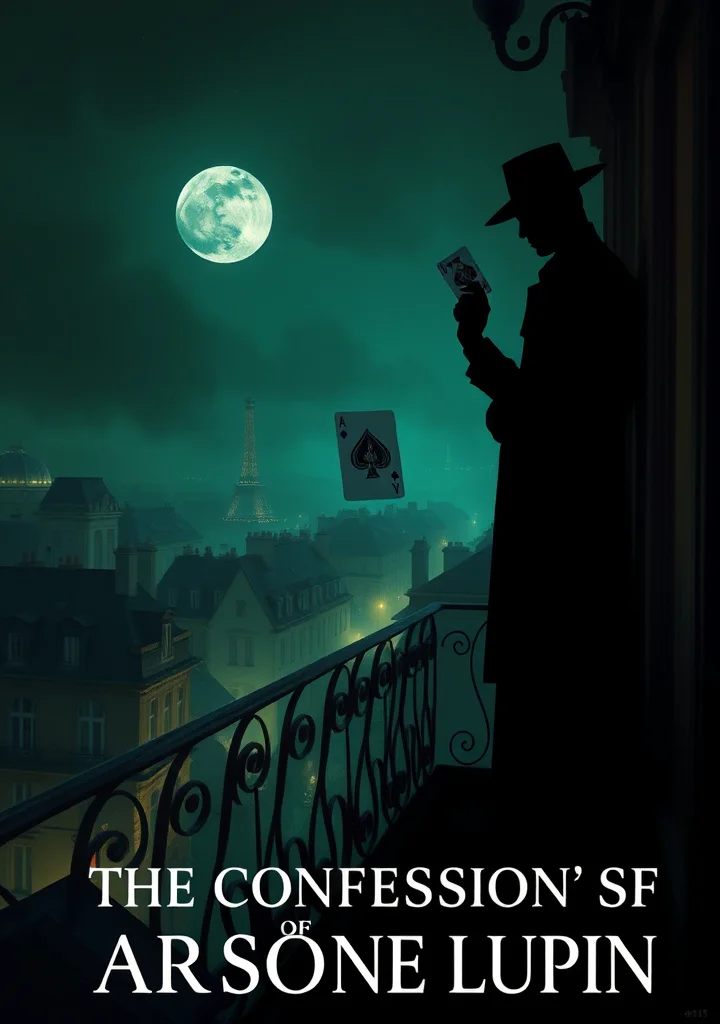
Shadows cling to the opulent Parisian rooftops, mirroring the labyrinthine schemes of Arsène Lupin. A chill, not of winter but of calculated audacity, permeates the gaslit streets where whispers follow the gentleman thief like a phantom limb. This is not merely a chronicle of stolen jewels and daring escapes, but a descent into the velvet darkness of a gilded age, where morality is a performance and every locked door yields to a master’s touch. Leblanc weaves a narrative thick with the scent of expensive cigars and the rustle of silk in darkened corridors. The reader is drawn into a world where the line between genius and madness blurs with each stolen glance, each expertly crafted deception. A subtle rot underlies the elegance of the era—a despair born of privilege and boredom—and Lupin, like a beautiful parasite, feeds upon it. The story unfolds not as a hunt, but as a seduction, a slow unraveling of trust and certainty. Each confession is a fragment of a shattered mirror, reflecting not Lupin’s guilt, but the decadence of a society ripe for plunder. The very air vibrates with the tension of waiting, the anticipation of a trap perfectly sprung. It’s a game played in the shadows, where the stakes are not merely wealth, but the very foundations of belief.
Copyright: Public Domain
This license allows anyone to use your story for any purpose, including printing, selling, or adapting it into a film freely.
Recommended for you
37 Part
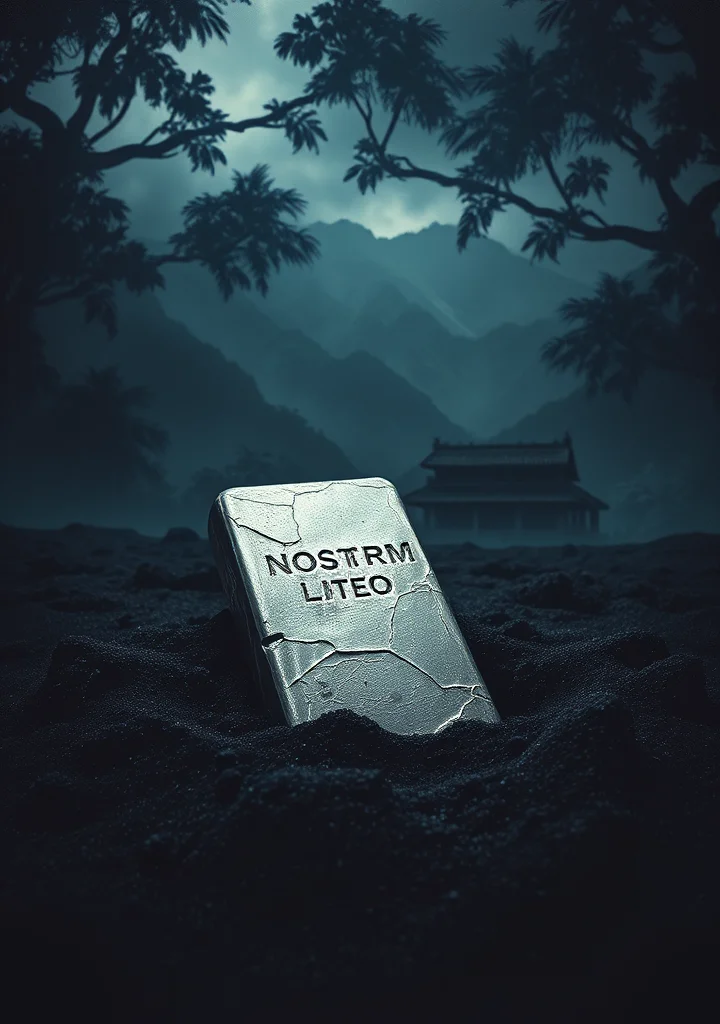
The air hangs thick with the scent of decaying silver and the dust of forgotten ambitions. A shadow stretches from the Cordillera, not of mountains, but of men consumed by avarice. Here, in the heart of a republic built on the bones of empires, a single name—Nostromo—becomes a phantom currency, a legend whispered in the fevered dreams of those who seek to claim a fortune wrested from the earth. But the silver, like a dark god, demands a reckoning. The jungle breathes with betrayal, and the hacienda walls echo with the hollow promises of loyalty. A slow rot creeps through the lives of those entangled in its claim: a captain adrift in a sea of moral compromise, a merchant haunted by the specter of loss, a woman caught between the fervor of revolution and the cold grip of her own desires. Each dawn bleeds into a landscape of simmering unrest, where the lines between honor and desperation blur into indistinguishable shades of grey. The weight of the silver, the weight of a nation’s birth, crushes beneath a suffocating heat. It is a story not of triumph, but of the erosion of faith, of how easily a man, even one of singular strength, can be undone by the very forces he seeks to command. The silence between the crumbling stones holds the screams of the dispossessed, the ghosts of a fortune bought with blood. A darkness rises from the depths of the mines, not just of ore, but of the human heart, and the jungle itself seems to mourn the fall of innocence into the abyss of greed.
25 Part
A creeping dread clings to the snow-swept moors, mirroring the chill that settles in the heart of the protagonist. Buchan’s *Midwinter* unfolds within a decaying manor house, isolated by blizzards and shadowed by ancient, malevolent histories. The narrative breathes with the icy air, each chapter a descent into fractured memory and suppressed guilt. Dust motes dance in the fractured light of dying embers, illuminating portraits of stern, unforgiving faces—ancestors who seem to watch, judge, and subtly influence the present. The estate itself is almost a character, its stone bones groaning under the weight of winter’s fury and the weight of secrets. Rooms whisper with echoes of past tragedies, the scent of damp earth and forgotten perfume clinging to velvet drapes. A pervasive sense of claustrophobia, not just physical but psychological, permeates the narrative. The protagonist is haunted by fragments of a stolen inheritance, a fractured legacy, and the specter of a betrayal that unravels with each falling snowflake. The novel doesn’t deliver grand horrors, but a suffocating atmosphere of unease—a slow, deliberate unraveling of sanity amidst a landscape that mirrors the fractured state of the soul. It’s a story steeped in the melancholic beauty of decay, where the true darkness resides not in the supernatural, but in the cold, brittle spaces within the human heart. The silence of the winter landscape is broken only by the howl of the wind, and the whispers of a past determined to claim its due.