
-
Read 1.3K
-
0
-
Part 110
Completed, First published Mar 02, 2026
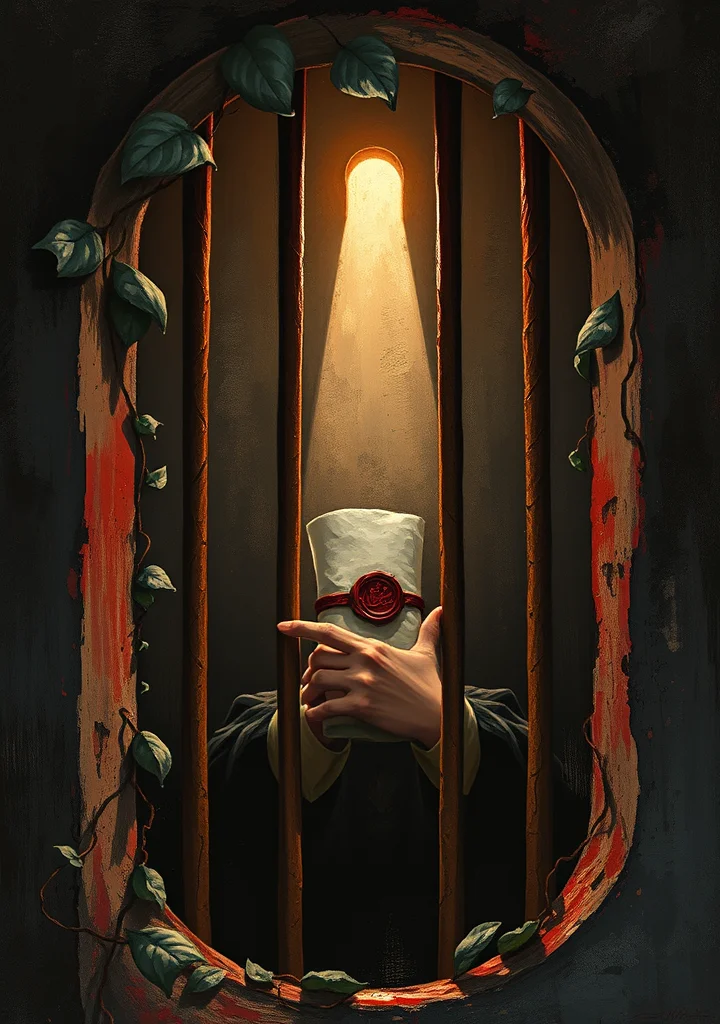
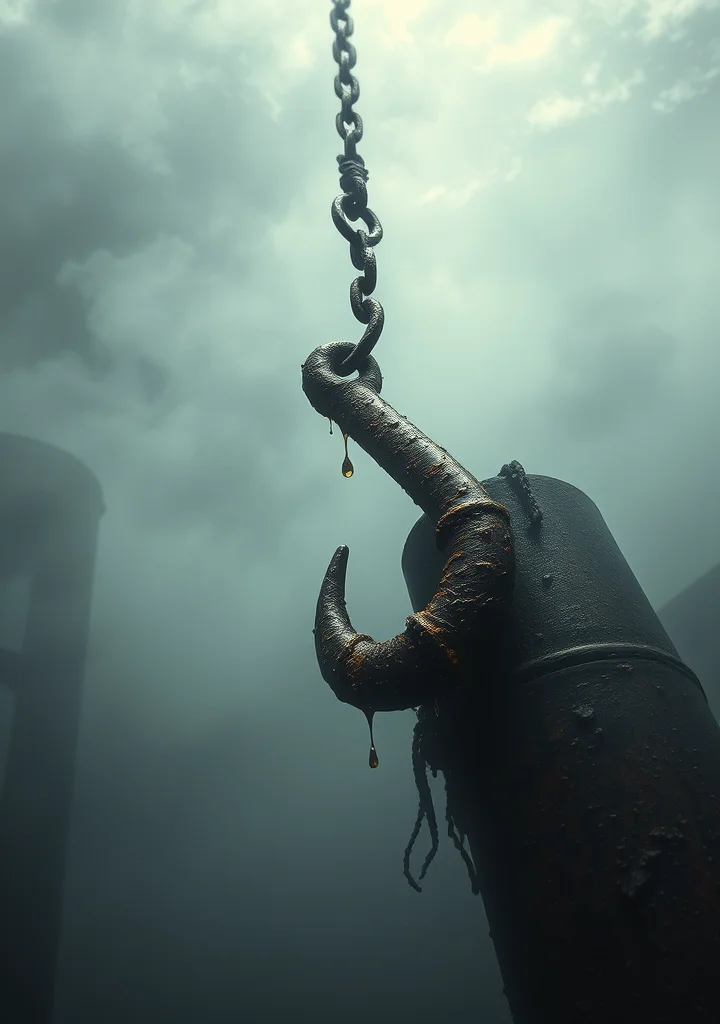
The air hangs thick with brine and the scent of rotting timber. Pelle, born to the relentless churn of the sea and the brutal hunger of dockland Copenhagen, isn’t forged in triumph, but in the wreckage of ambition. His conquests aren’t of kingdoms, but of survival, carved from the marrow of starvation and the grit of the wharves. The narrative unfolds like a creeping fog, obscuring the boundaries between man and beast, ambition and decay. Each step forward is stained with the grime of betrayal, the echoing cries of drowned sailors clinging to the rigging of his ascent. The docks themselves breathe—a labyrinth of shadow where every shadow hides a debt, every wave a stolen breath. A perpetual twilight descends as Pelle rises, not through glory, but through the swallowing darkness of a world that rewards ruthlessness. The very stones of the city weep with the weight of his climb, a slow, agonizing bleed of morality into a sea of gray. It’s a story of hunger—not just for food, but for dominion—and the monstrous cost of filling the void within a man’s soul. The cold, relentless North Sea mirrors the glacial indifference within Pelle’s heart as he builds his empire on the bones of the forgotten.
Copyright: Public Domain
This license allows anyone to use your story for any purpose, including printing, selling, or adapting it into a film freely.
This license allows anyone to use your story for any purpose, including printing, selling, or adapting it into a film freely.
Recommended for you