
The Brothers Karamazov
  • 1.3K
  • 0
  • 96
  • Read 1.3K
  • 0
  • Part 96
Completed, First published Mar 02, 2026

A suffocating heat rises from the Russian earth, mirroring the feverish delirium of the Karamazov family. Shadows cling to the crumbling estate, thick with resentment and the stench of unburied sins. This is a landscape of perpetual twilight, where every whisper of doubt breeds rot in the soul. A patriarch steeped in malice casts a long, poisonous influence over his sons—a volatile, lustful brute, a fragile mystic, a cynical intellectual. Each harbors a desperate hunger for love, for God, for retribution, and each is shadowed by the specter of parricide. The narrative winds through labyrinthine alleys of provincial towns, echoing with the stifled cries of the desperate and the venomous pronouncements of the righteous. A stifling morality, born of faith and despair, presses down on every scene. The investigation is not merely a search for a killer, but a descent into the suffocating darkness of the human heart, where the lines between saint and sinner, guilt and innocence, blur into a suffocating, indistinguishable gray. The air itself feels weighted with the premonition of doom, a creeping dread that clings to the damp earth and the decaying grandeur of a fallen dynasty. Every act of kindness is tainted by suspicion, every confession a fragile shield against the encroaching abyss. It is a world where the weight of conscience crushes the spirit, and the only escape lies in the desolate beauty of suffering.
Copyright: Public Domain
This license allows anyone to use your story for any purpose, including printing, selling, or adapting it into a film freely.
Recommended for you

53 Part
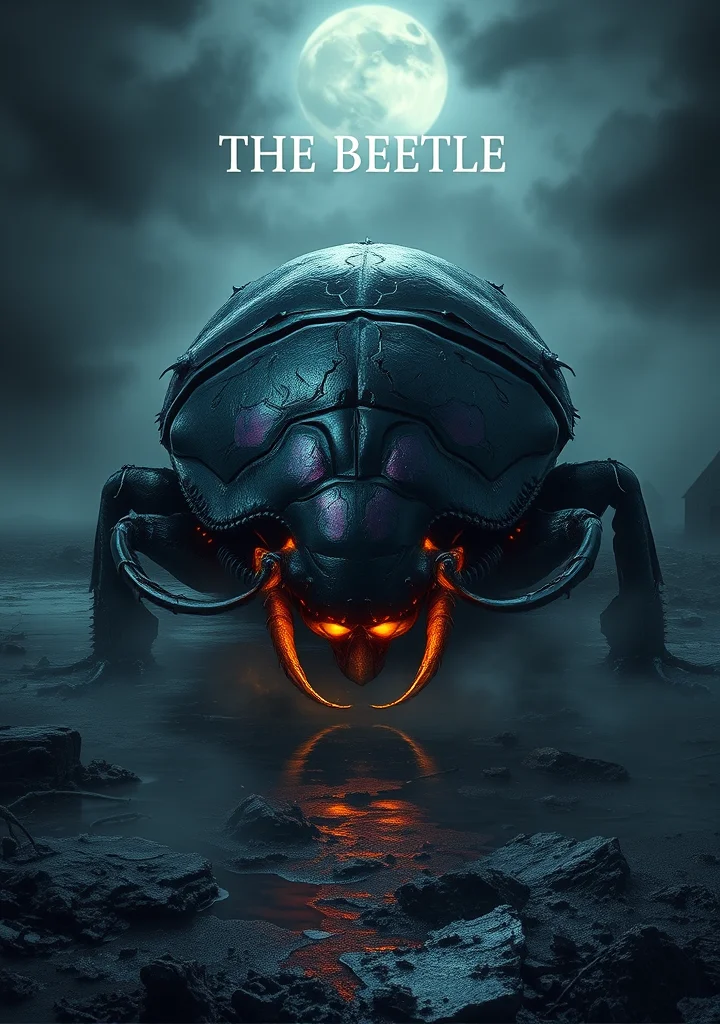
A creeping dread clings to the marshes of northern England, a suffocating fog mirroring the insidious presence that stalks the lives of Arthur Grimstone and his neighbors. It begins with whispers—a monstrous shape glimpsed in the peat bogs, livestock mutilated with unnatural precision, a chillingly human intelligence behind acts of escalating violence. The village of Stilton, already steeped in the melancholy of isolation, is slowly consumed by a terror born of the mire, a thing both animalistic and eerily, deliberately *aware*. Grimstone, a man haunted by his own rigid morality and the suffocating weight of Victorian expectation, finds himself drawn into a desperate pursuit of this creature—a pursuit that unravels not just the boundaries of his sanity, but the very foundations of his world. The Beetle is not merely a beast; it is a distortion, a parasite of the soul, weaving itself into the fabric of their lives, mirroring their darkest desires and festering resentments. Each encounter leaves a residue of cold, damp fear, the scent of decay clinging to the air long after the creature vanishes. The narrative descends into a labyrinth of shadowed alleys, decaying workhouses, and the claustrophobic interiors of Victorian homes—a suffocating world where the line between hunter and hunted blurs, and the monstrous Beetle becomes a terrifying reflection of the darkness within us all. The creeping dread isn't merely *of* the creature, but of the creeping rot *within* the very heart of the village, and within Grimstone himself.
10 Part
Dust motes dance in the perpetual twilight of decaying Parisian apartments, mirroring the slow rot of ambition within the hearts of its inhabitants. A suffocating stillness clings to these shadowed rooms, where men—and a single, brittle woman—have pledged themselves to a cold, calculated austerity. Not for God, nor for love, but for the relentless accumulation of power, the silent, parasitic growth of influence woven into the very fabric of the city’s underbelly. Each gesture is measured, each glance a ledger entry. The air tastes of stale ambition and the lingering scent of denied desire. The narrative unfolds like a tightening noose, detailing not the act of living, but the meticulous subtraction of humanity. Rooms become tombs, draped in the funereal silks of wealth; conversations are brittle exchanges of debts and futures. A creeping dread permeates the cobblestone streets, where the celibates move like specters, their pallid faces reflecting the gaslight’s sickly glow. The city itself breathes with a morbid pulse—a labyrinth of whispered transactions, decaying grandeur, and the gnawing hunger of those who have sacrificed everything for a throne of cold, indifferent gold. The true horror lies not in what is done, but in the chilling precision with which lives are hollowed out, leaving only the skeletal framework of ruthless calculation. It is a story of shadows consuming shadows, where even silence becomes a weapon wielded with terrifying grace.