
Sam's Waiting Room
  • 47
  • 0
  • 7
  • Read 47
  • 0
  • Part 7
Ongoing, First published May 09, 2026

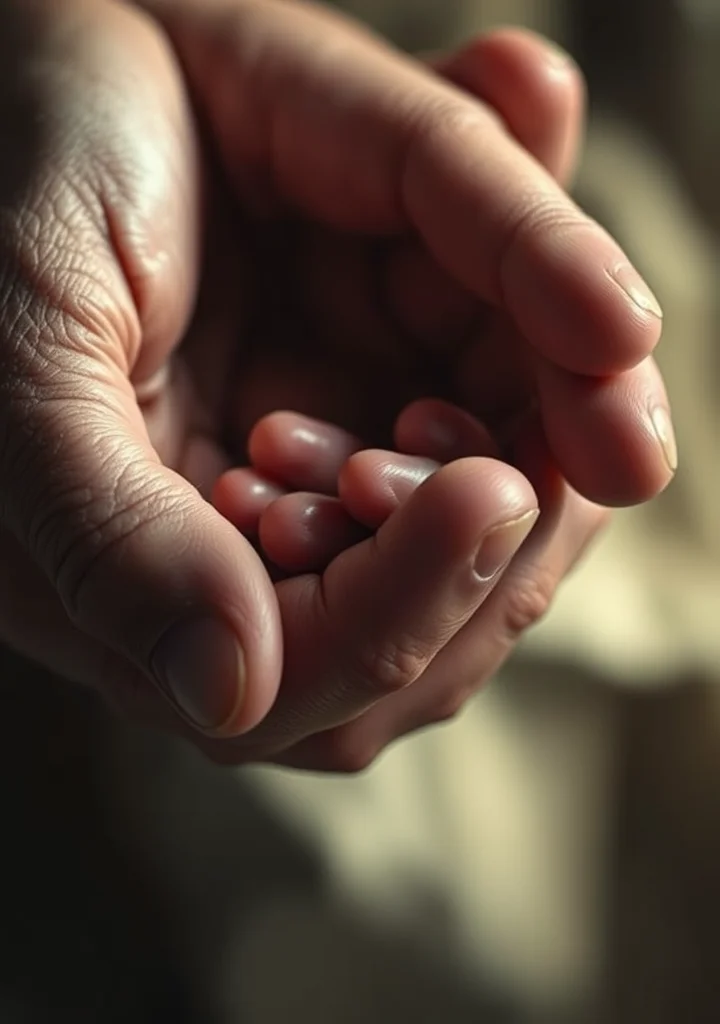
This novel follows Sienna Collins as she navigates the complexities of motherhood and the challenges of job searching. The early chapters trace her close bond with her adopted son, Sam, and her reliance on friends like Matt for support. We see her anxieties about providing for Sam while pursuing better opportunities, and the delicate balance of arranging childcare. As Sienna prepares for a crucial interview at Steele Enterprises, the narrative explores the emotional weight of leaving Sam in another’s care and the anxieties of facing an uncertain future. These chapters offer a poignant look at family dynamics and the determination to build a secure life.
Copyright: All Rights Reserved
No person is allowed to use, redistribute, or modify your work in any form without your explicit permission.
More like this

22 Part
Dust motes dance in perpetual twilight within the shadowed halls of Misselton House, a boarding school steeped in the chill of London fog and the whispers of forgotten childhoods. Young Sara Crewe arrives, gilded in privilege, yet swiftly descends into a labyrinth of grey routine and stifled grief. Her father’s disappearance casts a pall over her days, mirroring the encroaching damp that clings to the stone walls and seeps into the very marrow of her bones. The narrative isn’t one of grand horrors, but of a slow, creeping despair, a brittle beauty blooming within a landscape of neglect. The grandeur of Sara’s past becomes a phantom limb, haunting her every waking moment. Each stolen moment of imagination, each ragged scrap of kindness offered in the attic, is lit by a flickering candle against the encroaching darkness. The air thickens with the scent of coal smoke and the stifled cries of lonely children, their stories swallowed by the vast, indifferent house. It’s a story not of monsters under the bed, but of the monstrous indifference of the world, and the fragile, tenacious flame of hope flickering against the wind. The very silence of the house feels alive with unspoken sorrows, and the gardens, glimpsed through frost-rimed windows, feel less like escape than extensions of a creeping, melancholic embrace. Even the smallest acts of cruelty feel like shards of glass in a winter wind, leaving Sara bleeding not with wounds, but with a chilling awareness of her own vulnerability. The world narrows to the dimensions of a forgotten room, and the narrative breathes with the same slow, suffocating rhythm as a heart breaking in the shadows.