Borrowed Days
  • 25
  • 0
  • 5
  • Read 25
  • 0
  • Part 5
Ongoing, First published May 20, 2026

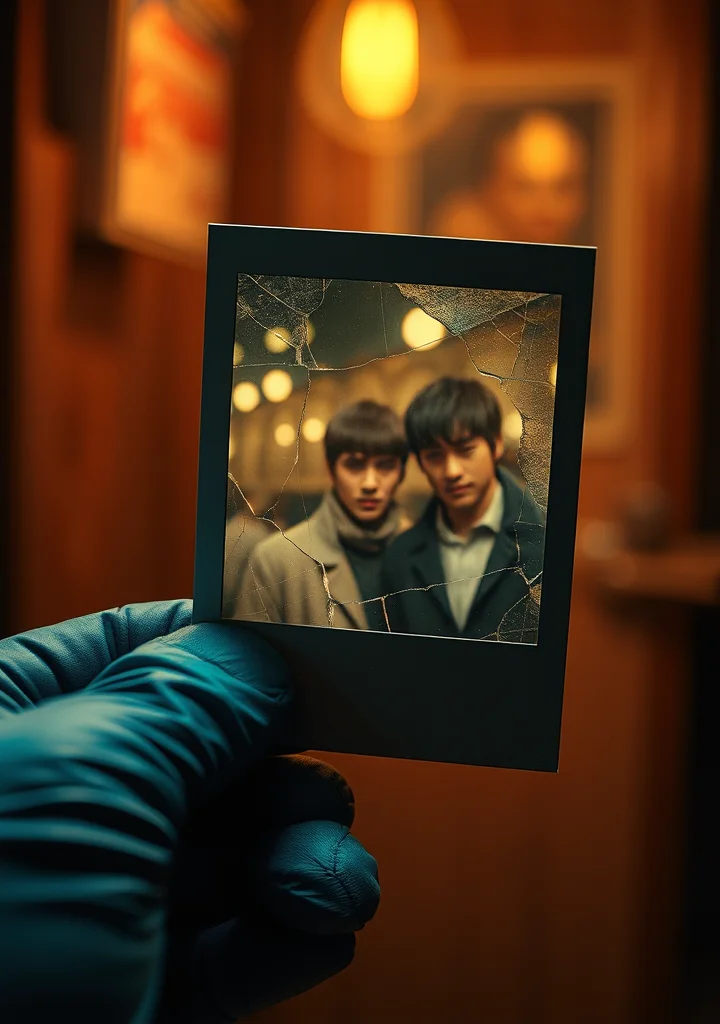
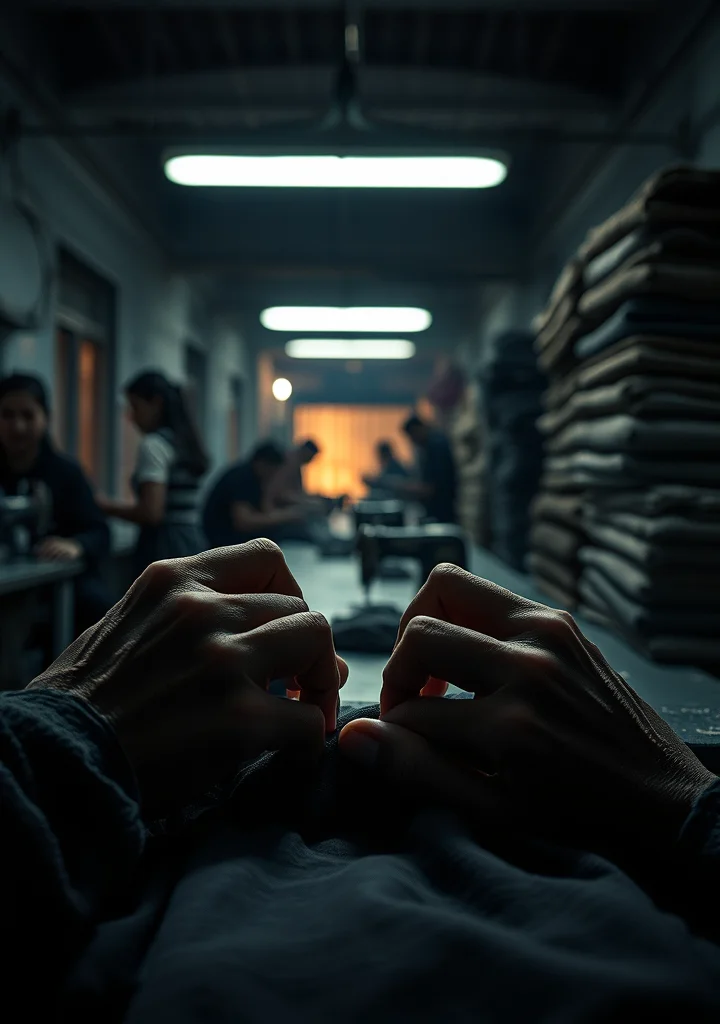
The novel follows Seokjin as he navigates the pressures of providing for his mother and a struggling family business. Facing eviction and mounting debts, he reluctantly seeks help from a friend, a request that tests his pride. These chapters reveal a tense world of garment factories and late-night bar outings, where impulsive decisions threaten to derail his hopes for a better future. As Seokjin pursues a promising job opportunity at KTH, the narrative traces his anxieties about financial stability and the weight of family obligation. The early chapters suggest a story deeply rooted in the challenges of everyday life and the bonds that sustain us.
Copyright: All Rights Reserved
No person is allowed to use, redistribute, or modify your work in any form without your explicit permission.
More like this
32 Part
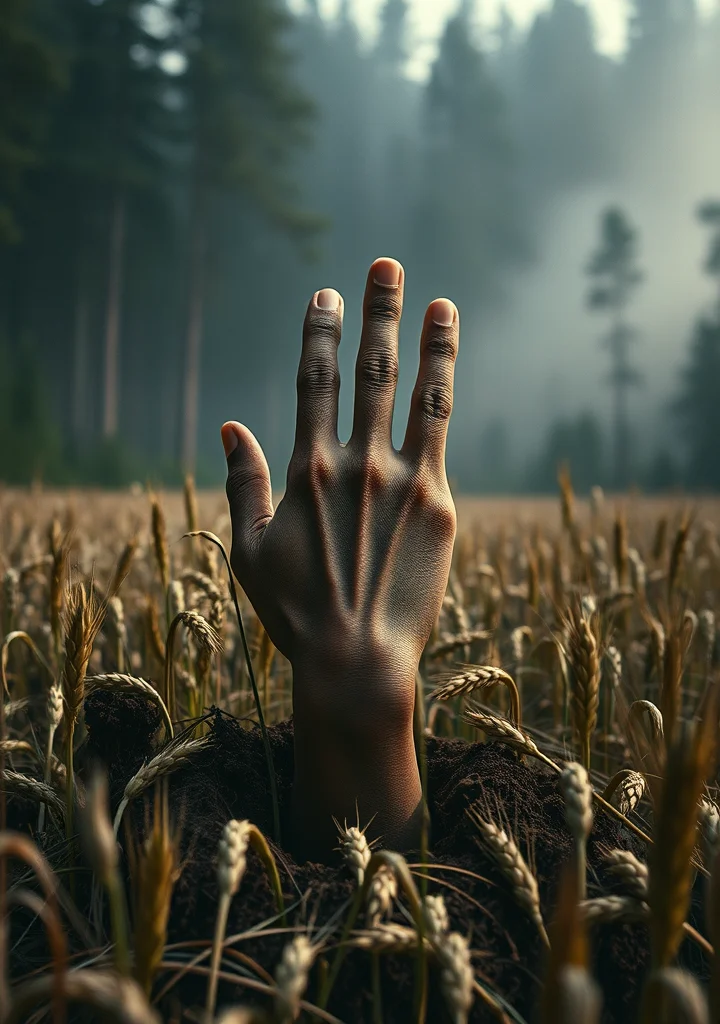
The scent of turned earth clings to every page, a primal musk rising from the Norwegian wilderness. This is not a story of heroes or villains, but of a slow, relentless claiming of land, a communion with the soil so absolute it borders on the pagan. A man, Isak, emerges from the shadowed forests, not with ambition, but with an instinct to *become* the land itself. He builds not with grand design, but with the bone-weariness of a creature rooted to the earth, his existence echoing the silent, brutal growth of the pines. The novel breathes with the damp chill of perpetual twilight, the light filtering through branches like the memory of forgotten gods. A creeping sense of isolation permeates the narrative, not of loneliness, but of an ancient, untamed solitude. The arrival of Inger, a woman fractured by dreams of a gilded life, is a splinter of ice in the heart of the burgeoning farm. Her restlessness, her discontent, festers like rot within the new-turned sod. The prose itself is a thing of shadows and whispers, mirroring the long, dark winters and the brief, feverish summers. It is a story of possession – not of property, but of being possessed *by* the land, by the cyclical rhythms of harvest and decay. A creeping dread settles over the reader, a sense that this is not merely a chronicle of farming, but a witnessing of something ancient and unyielding awakening in the heart of the wilderness. The growth isn’t just of the soil, but something within the blood, a claiming of something wild and unholy. It is a slow, suffocating bloom of something ancient and profoundly alone.