
The Glass Census
  • 84
  • 0
  • 10
  • Read 84
  • 0
  • Part 10
Ongoing, First published May 01, 2026

In this novel, Elias Thorne meticulously scans masked citizens, tasked with enforcing emotional neutrality within a towering census bureau. But his routine is fractured by unexpected bleed-through from those he scans—a child’s plea, a scarred figure’s fear—stirring long-buried memories of his mother. Drawn into a search for ‘Blanks’—individuals who absorb emotions—Elias finds himself summoned by Dr. Vance, offered a chilling bargain: control over his own responses in exchange for tracking these elusive figures. As Elias accepts his directive, the narrative traces a growing unease, hinting at a network hidden within the very system designed to suppress feeling.
Copyright: All Rights Reserved
No person is allowed to use, redistribute, or modify your work in any form without your explicit permission.
Recommended for you

30 Part
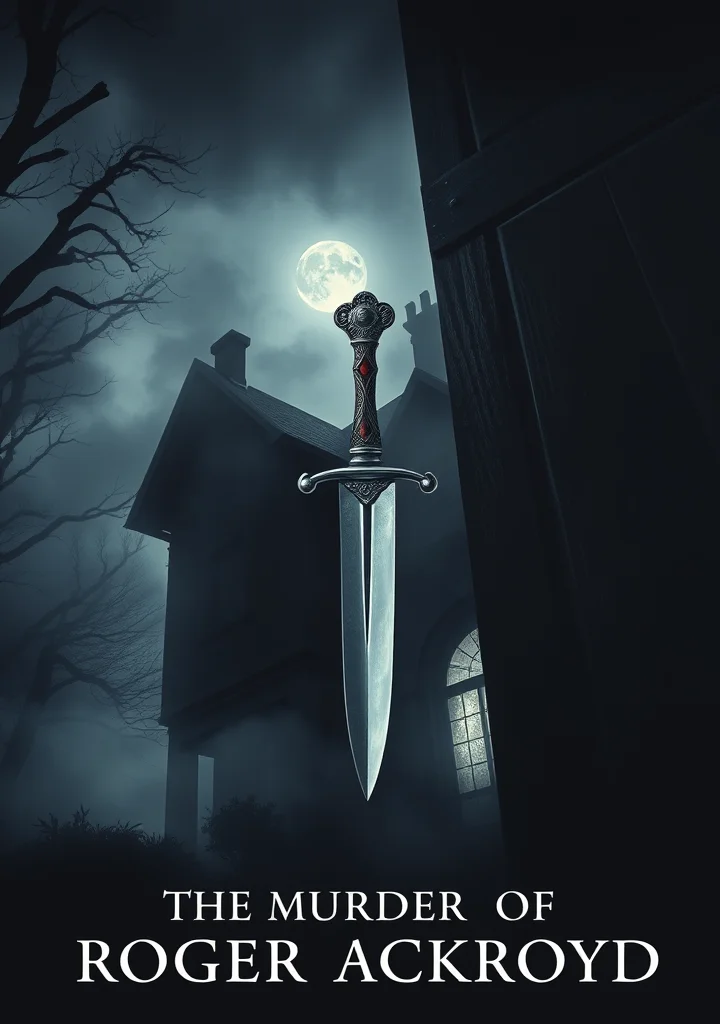
A creeping fog clings to the village of King’s Abbots, mirroring the suffocating secrets held within its shadowed lanes. The late Roger Ackroyd, a man of standing, lies dispatched with a silver dagger in his study – a room thick with the scent of old money and unspoken dread. But the true horror isn’t the act itself, but the confession whispered to a bewildered Dr. Sheppard, a man now bound by a pact of silence, a complicity that chills him to the bone. The house itself breathes with a stifled history, each antique object a witness to the decaying morality of its inhabitants. Whispers follow Sheppard through the darkened hallways, hints of illicit affairs, concealed debts, and the simmering resentments of a household poised on the brink of collapse. Every face observed through the leaded windows is a mask concealing a hidden motive. The investigation is a descent into a labyrinth of deception, where the truth is buried beneath layers of polite society and the weight of unconfessed sins. A sense of decay permeates every interaction, a sense that the very foundations of this idyllic village are riddled with rot. The reader is drawn into the suffocating grip of a narrative where every conversation feels like a carefully constructed lie, and the final revelation will leave a lingering chill long after the last page is turned. The darkness doesn’t come from the crime, but from the monstrous humanity that orchestrated it.
7 Part
A creeping fog clings to the shadowed corners of London society, mirroring the secrets festering within the Tanqueray household. The air tastes of regret and simmering ambition, thick with the scent of lilies and decaying reputations. Eliza Tanqueray, a woman haunted by whispers of her first husband’s demise and shadowed by a past she cannot outrun, finds herself bound to the stern, judgemental gaze of Sir Robert Tanqueray. His manor, a stone leviathan against the bruised twilight, breathes with the chill of inherited grief and an obsessive need for control. Every polished surface, every precisely arranged bloom, feels less a display of wealth and more a cage built to contain a dangerous, glittering creature. The narrative unravels like a silken noose, tightening with each strained smile and overheard conversation. A feverish unease pervades the drawing rooms, where polite conversation masks a ravenous hunger for social dominance. The second Mrs. Tanqueray is not merely a wife, but a specimen under glass, dissected by the eyes of a society that thrives on speculation and thrives on the slow, exquisite unraveling of a woman’s life. The darkness is not found in the shadows, but in the calculated glint of a man who believes he can purchase redemption through a second, more compliant bride. It is a house of brittle smiles and brittle bones, where every glance is a calculation, and every breath held is a testament to the suffocating weight of expectation.