
-
Read 391
-
0
-
Part 20
Completed, First published Mar 02, 2026
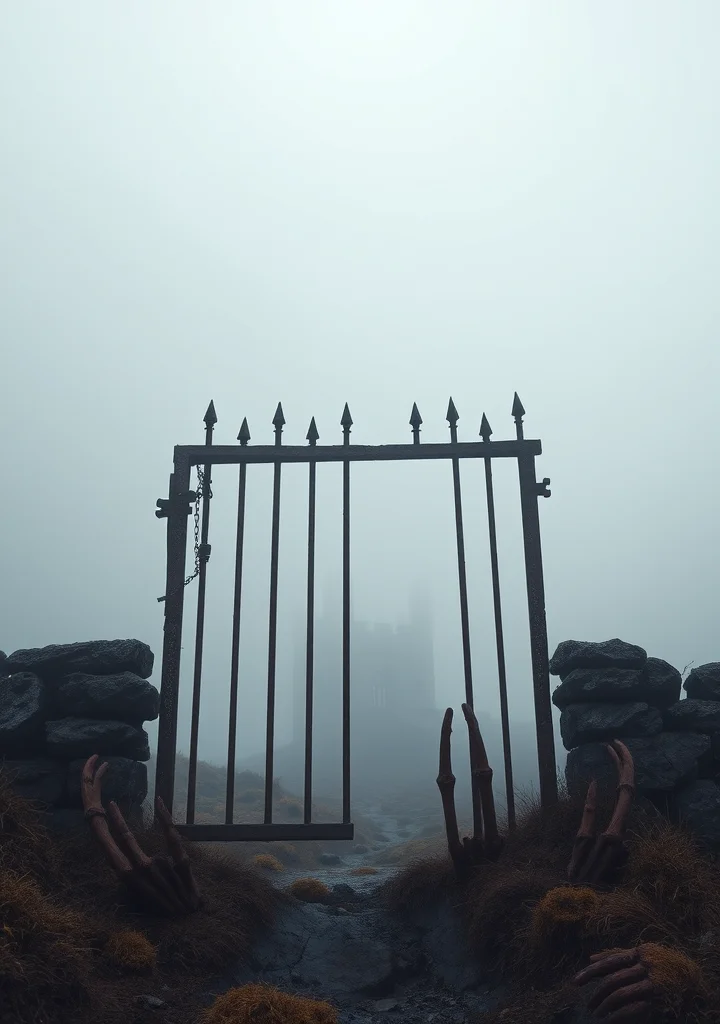
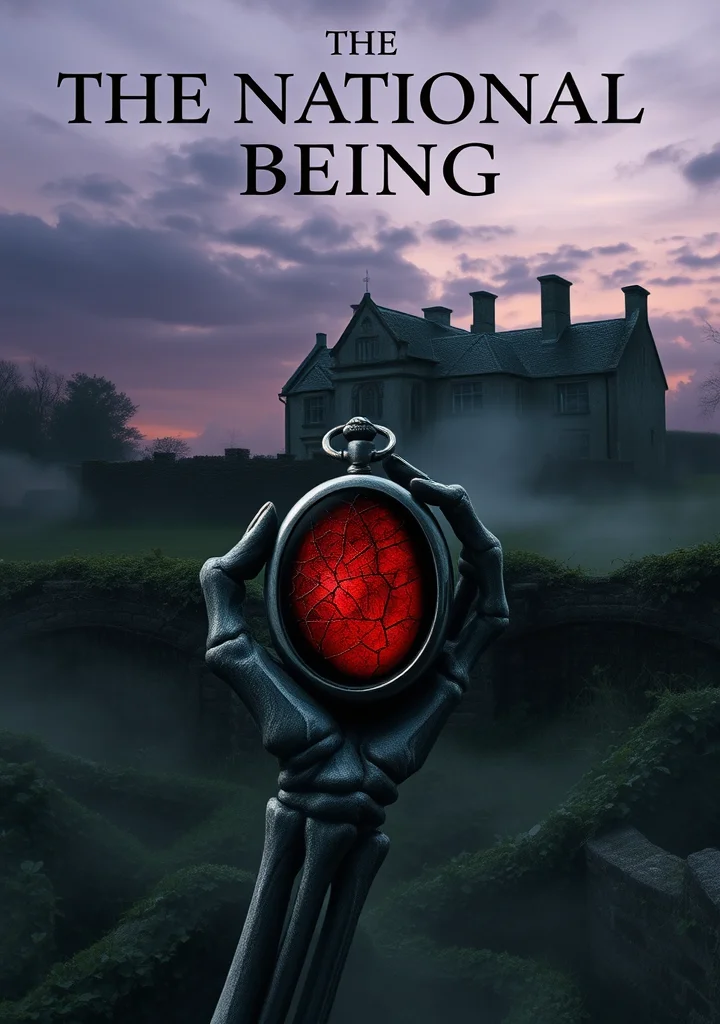
A creeping dread clings to the Irish countryside as shadowed figures move within the decaying grandeur of ancestral homes. Russell weaves a narrative steeped in the suffocating weight of history, where the very land seems to exhale the grief of generations past. The air is thick with the scent of peat smoke and something older, something woven into the stones themselves – a suffocating sense of inherited sorrow. Whispers follow the protagonist through crumbling estates and mist-drenched bogs, hinting at a lineage bound to a monstrous, unnameable burden. It isn’t merely a ghost story, but a descent into the fractured psyche of a nation, where the boundaries between the living and the dead blur into a single, echoing lament. The narrative unravels like a tapestry frayed by time, revealing a slow rot at the heart of the Anglo-Irish aristocracy, and the chilling realization that their legacy is not merely one of power, but of a parasitic devotion to a darkness that predates even the oldest oaks. Each chapter feels like a ritual excavation, unearthing not treasures, but the bones of forgotten pacts made with something ancient and hungry, buried beneath the soil of a land forever haunted by its own ghosts. The oppressive beauty of the landscape itself becomes a character—a watchful, silent witness to the unraveling of a soul consumed by the weight of belonging.
Copyright: Public Domain
This license allows anyone to use your story for any purpose, including printing, selling, or adapting it into a film freely.
This license allows anyone to use your story for any purpose, including printing, selling, or adapting it into a film freely.
Recommended for you