
Where Angels Fear to Tread
  • 278
  • 0
  • 11
  • Read 278
  • 0
  • Part 11
Completed, First published Mar 02, 2026

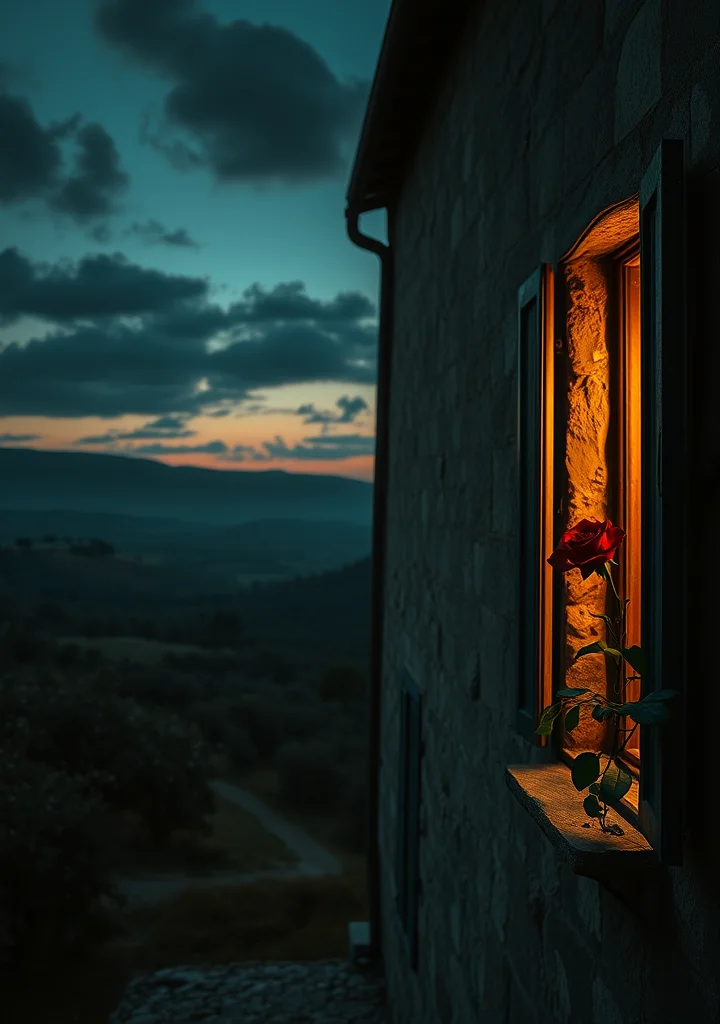
Dust motes dance in the perpetual twilight of Umbria, clinging to the crumbling facades of villas haunted by regret. A stifling heat hangs over the sun-baked earth, mirroring the simmering tensions within the Anglo-Italian community of Monteriano. The air itself seems thick with unspoken desires and the scent of decaying jasmine. Here, amidst olive groves and ancient stone, a quiet, provincial life is shattered by the intrusion of a passionate, forbidden love—a love born from an impulsive act, and nurtured in the suffocating confines of a marriage built on propriety. The story unfolds not as a burst of scandal, but as a slow, creeping dread. The Italian landscape isn't merely a backdrop, but a suffocating presence, mirroring the characters’ internal struggles. A sense of claustrophobia permeates every encounter, every glance exchanged. The narrative is woven with the weight of inherited social codes, the stifling formality of Victorian manners colliding with the raw, untamed passions of the Italian countryside. It is a story of lives irrevocably altered by a single, reckless decision—a decision that unveils the hidden vulnerabilities beneath the veneer of respectability, and reveals how even the most carefully constructed worlds can crumble under the weight of unspoken truths and the shadows of a shared, desperate secret. The narrative lingers in the shadows, leaving you with a lingering sense of unease, as if the dust of Monteriano has settled on your own skin.
Copyright: Public Domain
This license allows anyone to use your story for any purpose, including printing, selling, or adapting it into a film freely.
Recommended for you

41 Part
Dust motes dance in the perpetual twilight of the manor, clinging to the heavy velvet drapes and the portraits whose eyes follow you down shadowed halls. A suffocating stillness hangs in the air, thick with the scent of decaying roses and damp earth. The women of Blackwood House are draped in mourning—not for the dead, but for lives surrendered before they were lived. Each wears a veil of silk or lace, obscuring not just their faces, but their histories, their desires, their very selves. The estate breathes with a melancholic rhythm, mirroring the slow unraveling of its mistress, Elara. She moves through the corridors like a ghost, haunted by whispers that snake through the ancient stone walls—secrets carried on the breath of the wind that claws at the leaded windows. A creeping dread seeps from the garden, where twisted vines strangle the statues of forgotten saints, mirroring the suffocating grip of tradition on the women trapped within. Every shadow holds a betrayal, every locked door a confession. The narrative unfolds like a slow poisoning, revealing the rot beneath the gilded surfaces—a web of obsession, forbidden love, and the desperate measures taken to preserve a fragile legacy. The silence is never empty; it pulses with the weight of unspoken grief, the echoing screams of those who vanished into the labyrinthine heart of Blackwood House, swallowed by the veils and the darkness they conceal. A palpable fear clings to the very stones, a promise of something terrible unearthed with each passing hour.
110 Part
A creeping fog of decline settles over Lübeck, mirroring the slow, inexorable decay of the Buddenbrook family. Within the opulent, shadowed confines of their merchant house, generations unravel, bound by tradition yet suffocated by its weight. A chill permeates the ornate rooms, not of winter, but of a creeping malaise—a spiritual exhaustion that clings to velvet curtains and polished mahogany. The scent of almonds and decay hangs heavy in the air, a subtle poison seeping into the veins of each heir. Each chapter unfolds like a funeral procession, hushed and dignified, yet laced with a subtle, suffocating dread. The city itself becomes a character—its canals reflecting the family's fading fortunes, its cobbled streets echoing with the ghosts of ambition and lost vitality. A profound loneliness permeates the narrative, a sense of being entombed alive within a legacy of prosperity. The narrative is not one of dramatic catastrophe, but of a quiet unraveling, a slow erosion of will masked by polite society’s rigid formality. The characters move through their lives as though in a dream, haunted by the specter of what once was—their faces pale and drawn, their voices laced with a melancholy that clings like the damp sea air. The weight of expectation, the burden of inheritance, become visible as a spectral presence in every room, a chilling reminder of the inevitability of dissolution. The novel breathes with the scent of dust, of old money, of secrets whispered in darkened hallways, and the slow, agonizing realization that even the most solid foundations can crumble into nothingness.