
-
Read 609
-
0
-
Part 52
Completed, First published Mar 02, 2026
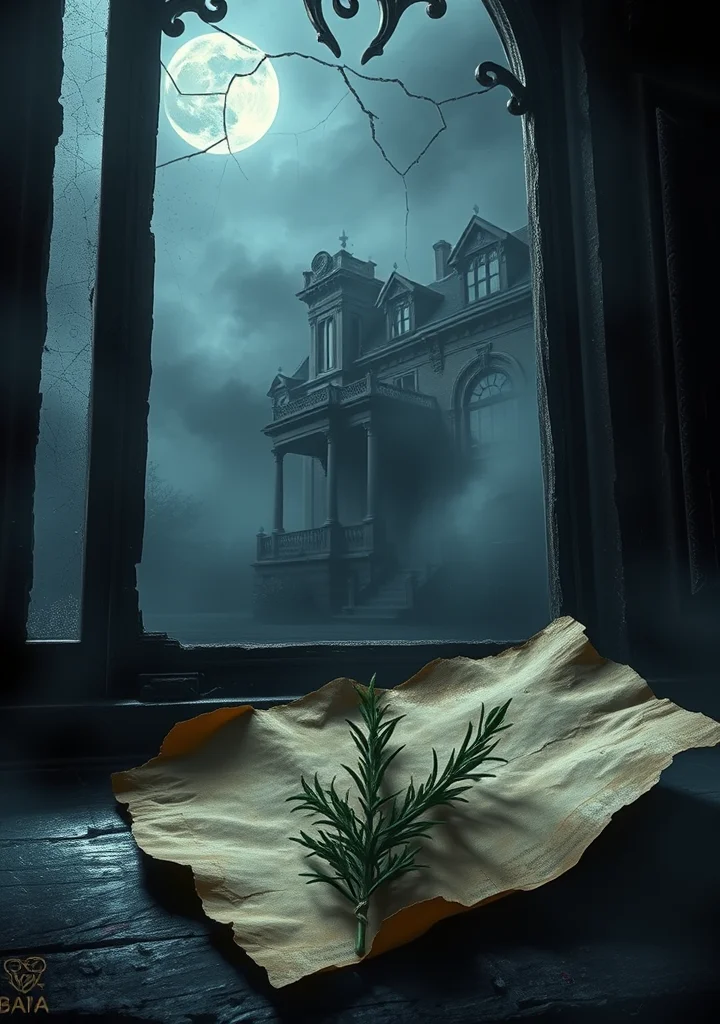
A creeping fog clings to the manor’s stones, mirroring the secrets within. Here, amidst shadowed corridors and decaying grandeur, a fragile rosemary branch, pressed between yellowed pages, hints at a love both desperate and doomed. The air smells of damp earth, woodsmoke, and a lingering grief that clings to the very wallpaper. Sir Percy Casanova, a phantom of elegance and audacity, moves through a world steeped in the scent of gunpowder and betrayal. But this is not merely a tale of daring rescues, but a slow unraveling, where loyalty is measured in stolen glances and whispered fears. Each act of defiance against the French Revolution bleeds into the suffocating claustrophobia of English society, where propriety masks a ravenous hunger for power. The shadows lengthen with each passing moon, and the rosemary’s scent intensifies, a morbid perfume promising both remembrance and oblivion. A chilling current of dread flows through the narrative, as the line between savior and specter blurs, and the true cost of heroism is revealed in the hollowed eyes of those left behind. The estate itself breathes with a mournful history, its gardens overgrown with thorns mirroring the tangled web of deception spun around Sir Percy’s heart. A constant, unnerving stillness permeates the story, broken only by the frantic beat of a hidden heart or the chilling scrape of a blade in the darkness.
Copyright: Public Domain
This license allows anyone to use your story for any purpose, including printing, selling, or adapting it into a film freely.
This license allows anyone to use your story for any purpose, including printing, selling, or adapting it into a film freely.
Recommended for you