
-
Read 30
-
0
-
Part 14
Completed, First published Jun 26, 2026
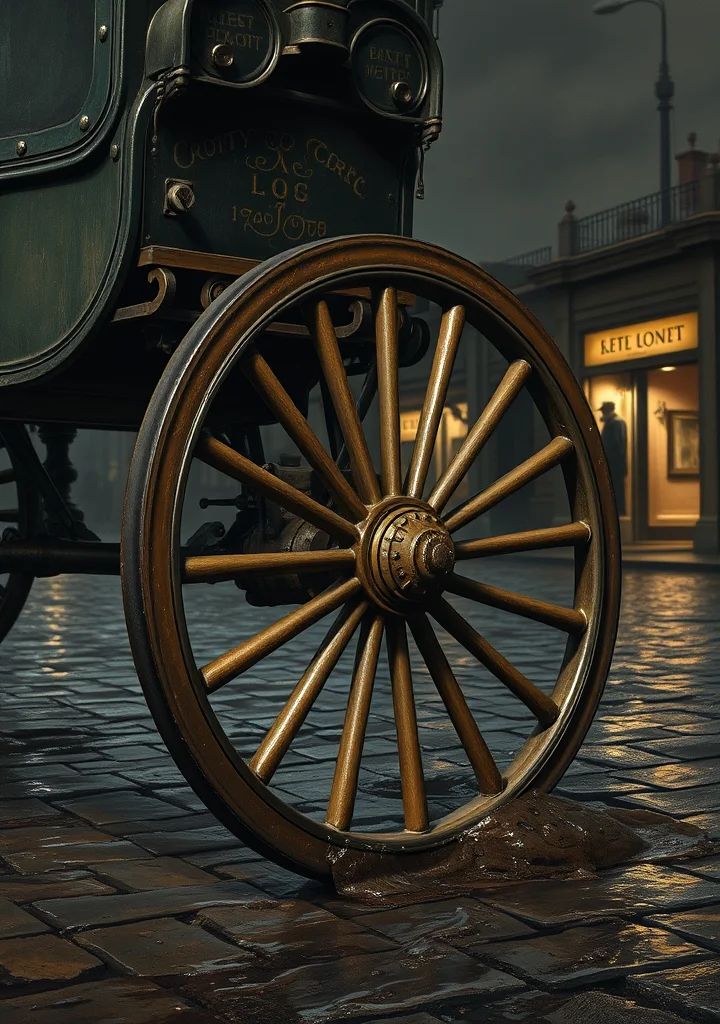
The novel *Letters and Carriages* unfolds across a late-nineteenth-century landscape of social intricacies. Within the bustling household of Wulworth Place, London, the story opens onto the detailed routines of servants preparing for Lady Sulley’s arrival, revealing affections and tensions simmering beneath the surface. Elsewhere, a tense carriage journey hints at past arrangements and hidden knowledge as an Earl and Countess navigate delays and provoke each other with veiled accusations. Further afield, in the marketplace of Malmesbury, cynical banter reveals a web of marital betrayals and illicit affairs, punctuated by the introduction of a potent Brazilian drink. These early chapters suggest a narrative concerned with social maneuvering and the complexities of relationships.
Copyright: All Rights Reserved
No person is allowed to use, redistribute, or modify your work in any form without your explicit permission.
No person is allowed to use, redistribute, or modify your work in any form without your explicit permission.
Unlock Chapter
- III - The Carriage Arrives 3 coins
- The Lavender Lie 3 coins
- A Garden of Resilience 3 coins
- VI - The Silence Between the Walls 3 coins
- A Bench, A Garden, And The Thoughts That Wouldn’t Stop 3 coins
- VIII - The Moor's Whisper 3 coins
- The Cawleys Welcome Home 3 coins
- Chamomile and the Ruined Chapel 3 coins
- The Cawleys and the Dress That Broke Them 3 coins
- The Weight of Memory 3 coins
- XIII - The Letter at Dusk 3 coins
- XIV - The Unsent Letter 3 coins
Recommended for you