Lost Lines
  • 73
  • 0
  • 18
  • Read 73
  • 0
  • Part 18
Completed, First published Jun 28, 2026

This novel follows Chenle as he navigates the anxieties of school life and a budding crush. The story opens with a playful bet between Chenle and his friend Jaemin, fueled by Chenle’s curiosity about Park Jisung. As auditions for the annual school play draw near, the narrative traces Chenle’s nervousness and self-doubt, alongside unexpected encouragement from Jisung himself. These chapters reveal a search for a lost script, highlighting Chenle’s fears of failure and the supportive role of friendship. The excerpts suggest a story centered on performance anxiety and the delicate balance of peer relationships.
Copyright: All Rights Reserved
No person is allowed to use, redistribute, or modify your work in any form without your explicit permission.
Recommended for you
53 Part
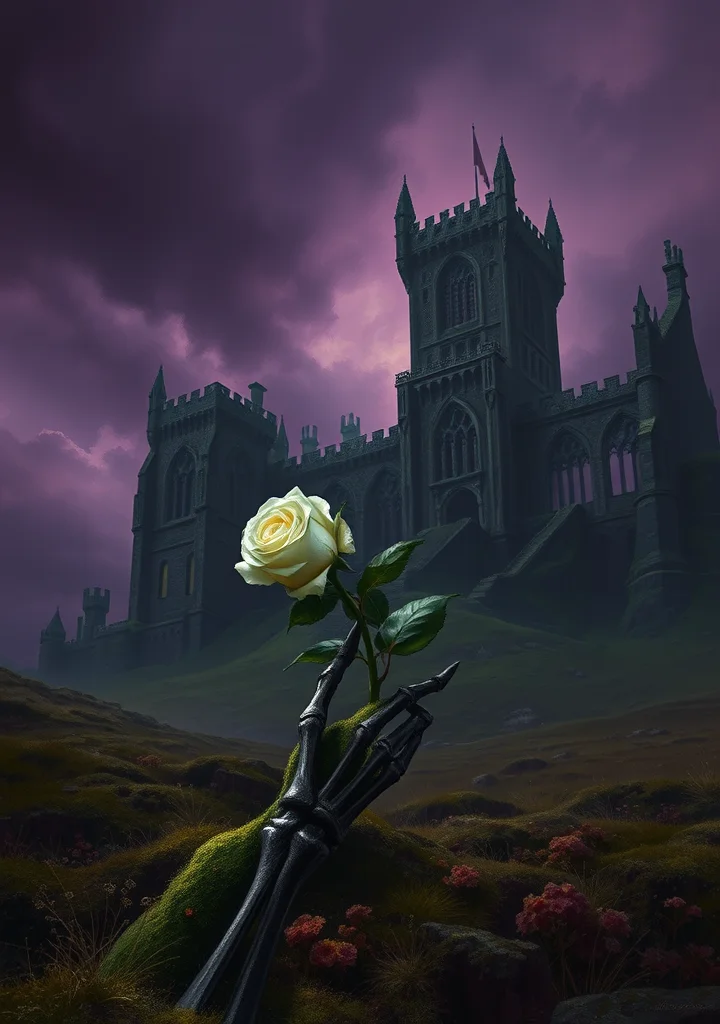
A creeping dread clings to Lindores Castle, a stone behemoth shadowed by ancient pines and whispered histories. Within its decaying grandeur, the Lindores sisters – refined, brittle, and bound by a shared, unspoken sorrow – drift through lives as brittle as dried leaves. Each woman, a delicate bloom fading within the suffocating confines of their ancestral home, bears the weight of a past tragedy that stains the very stones with melancholy. The narrative unravels not with grand spectacle, but with the slow, insidious rot of isolation, the suffocating politeness masking a simmering resentment, and the chilling echo of secrets clinging to the castle’s shadowed corners. A sense of mournful expectancy pervades every chamber, as if the Lindores sisters are not merely living, but *waiting* – for revelation, for release, or for the inevitable descent into the same quiet oblivion that claimed their mother. The atmosphere is one of perpetual twilight, where the boundaries between reality and haunting blur, and the scent of decay mingles with the perfume of forgotten grief. Every glance exchanged, every stifled sigh, feels laden with the weight of a lineage cursed to wither within the castle walls, mirroring the slow, inexorable decline of Lindores itself. It is a story steeped in the claustrophobia of inherited sorrow, where the true horror resides not in what is seen, but in what is felt – the icy touch of loneliness and the suffocating silence of a family slowly dissolving into shadow.
23 Part
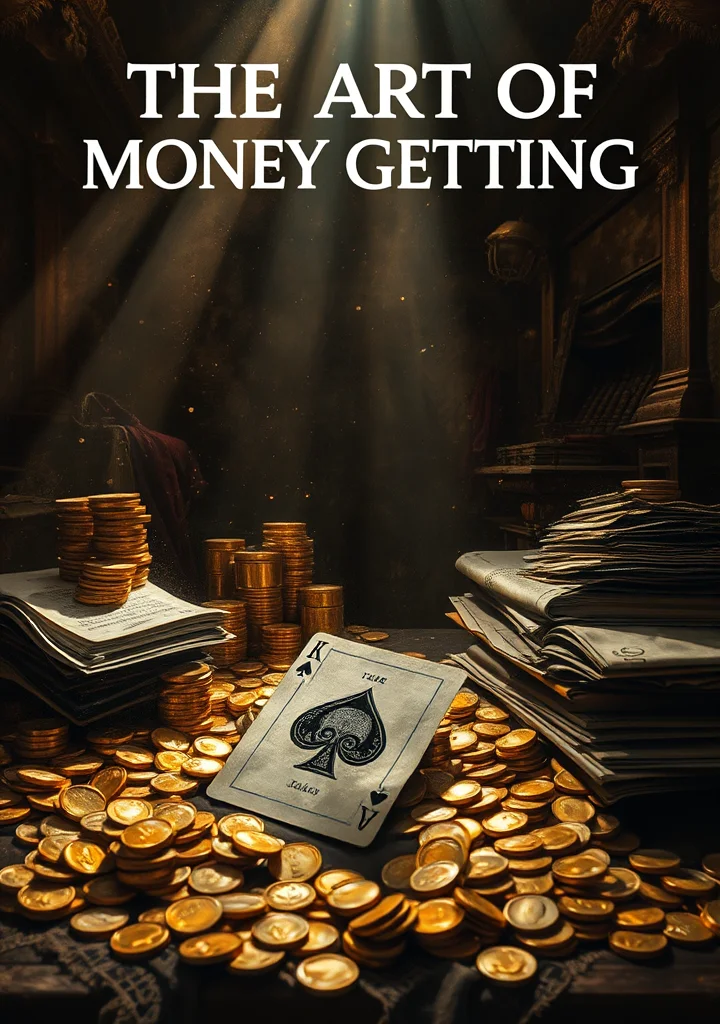
Dust motes dance in the perpetual twilight of a forgotten counting house, where the scent of old paper and decaying ambition clings to the shadowed walls. This is not a tale of simple acquisition, but a descent into the gilded rot of obsession. Barnum’s ‘Art’ unfolds as a fever dream of speculation—a labyrinthine city built on whispers and the crumbling facades of fortunes won and lost. Each chapter breathes with the chill of calculated risk, the suffocating velvet of confidence schemes, and the gnawing hunger for more than mere sustenance. The narrative is less a how-to manual and more a confession, scrawled in the blood of broken men and the hollow echoes of empty vaults. It’s a story of mirrors, reflecting not wealth, but the monstrous desires that feed it. A spectral ledger appears to haunt the pages, detailing not sums, but the slow unraveling of morality. The air thickens with the rustle of unseen contracts, the phantom touch of grasping hands, and the cold, clinical precision of a man dissecting the very heart of human need. Shadows lengthen as the author’s voice, a spectral auctioneer, relentlessly catalogues the currency of delusion. It is a grim spectacle, where every transaction leaves a residue of ash, and the final price paid is not in gold, but in the erosion of the soul itself. The book doesn’t promise riches—it promises a haunting, a glimpse into the abyss where avarice becomes a consuming god.