
-
Read 662
-
0
-
Part 32
Completed, First published Mar 02, 2026
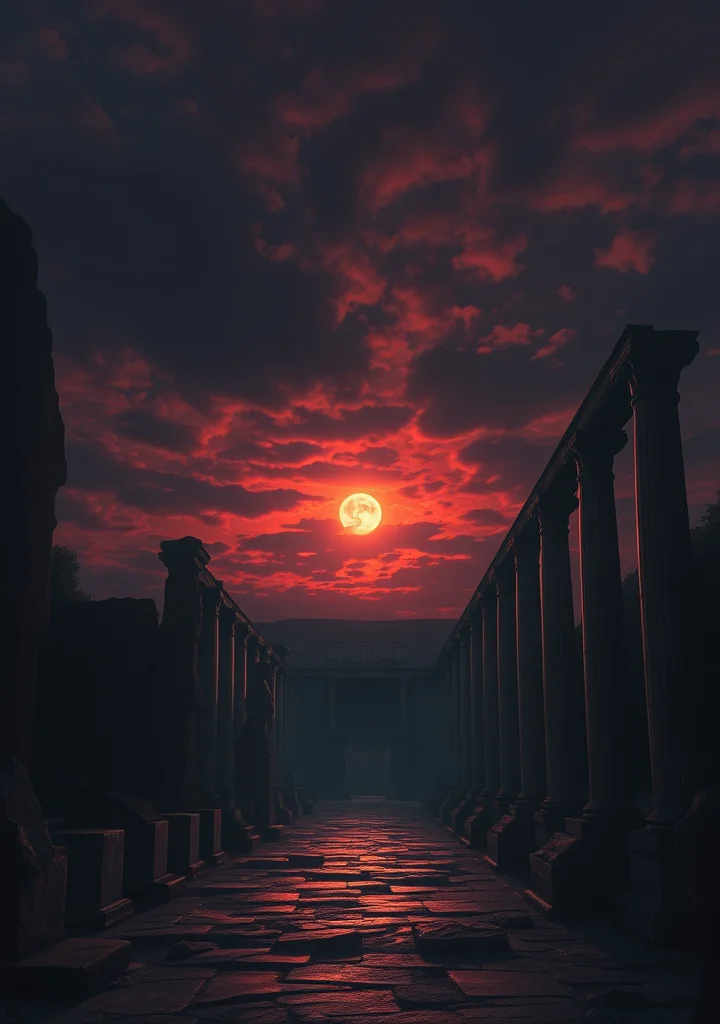
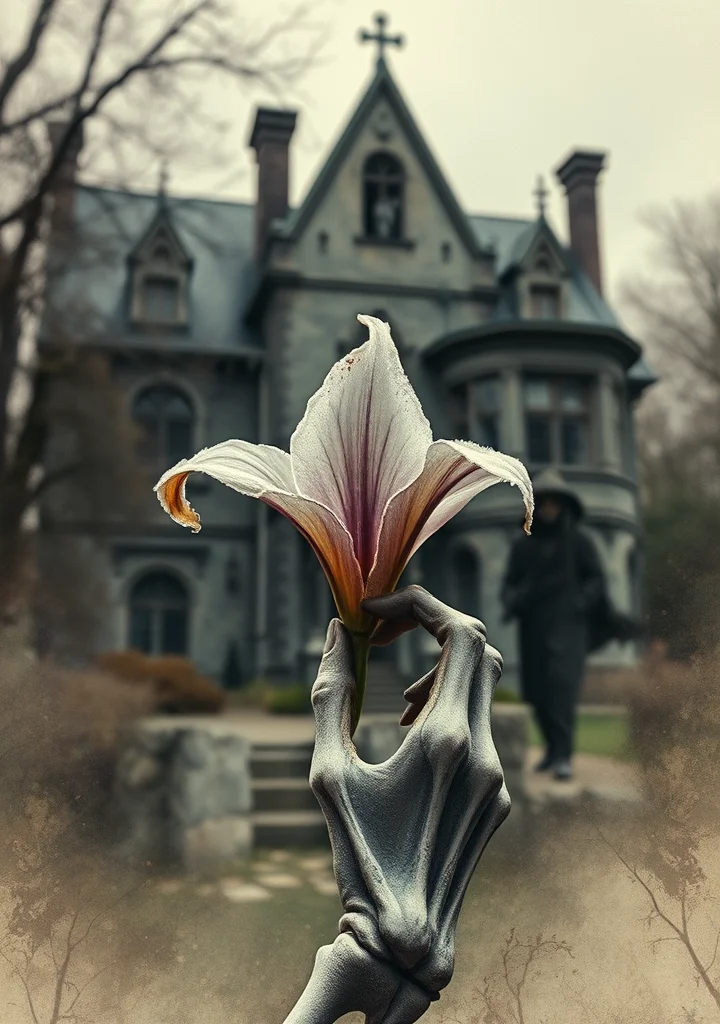
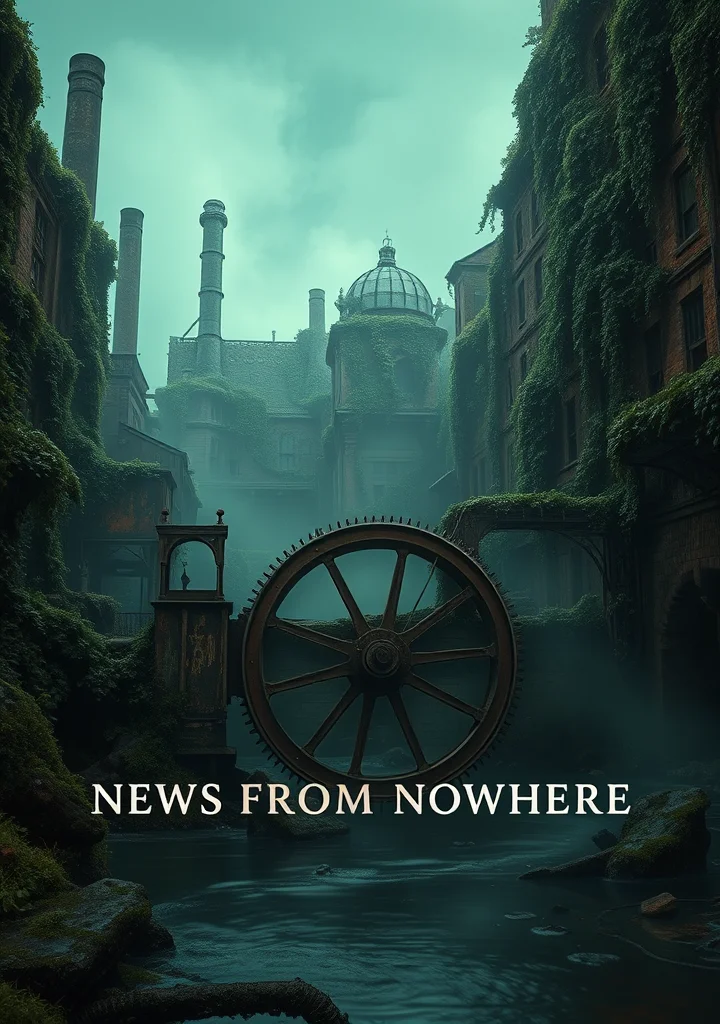
A creeping mist clings to the riverbank, not of fog, but of forgetting. This is a world where the iron mills have rusted silent, and the soot-stained cities dissolve into a green yearning. It’s not a revolution’s blaze, but a slow, deliberate unraveling of the old order, felt in damp stone and the murmur of waterwheels long stilled. The air smells of woodsmoke and turned earth, yet a melancholy hangs heavy, a spectral grief for the lives lost to the relentless march of the machine. Stories drift on the breeze, whispers of a time before, of hands calloused by craft, not by coal dust. But even in this pastoral rebirth, shadows linger – a subtle unease in the boundless fields, a haunting stillness in the woods. It’s a dream of escape, certainly, but one woven with the threads of what was broken, a quiet dread that even beauty cannot entirely dispel. The further one travels from the grey ghosts of London, the more profoundly one senses the absence of something vital, a loss remembered not as pain, but as a persistent, echoing emptiness. This is a land built on the ruins of a fever dream, and the stones whisper of a world not wholly healed.
Copyright: Public Domain
This license allows anyone to use your story for any purpose, including printing, selling, or adapting it into a film freely.
This license allows anyone to use your story for any purpose, including printing, selling, or adapting it into a film freely.
Recommended for you