Madrid Letters
  • 54
  • 0
  • 17
  • Read 54
  • 0
  • Part 17
Completed, First published Jun 26, 2026

The novel *Madrid Letters* follows Gabriella’s journey as she arrives in Madrid following a departure from Seoul, carrying with her a mysterious series of gifts and notes. These chapters trace her reunion with family – maternal cousins Elena and Mateo, and Mateo’s wife, Sandra – and reveal a warm, playful dynamic shaped by shared history. Gabriella finds solace in the affection of her grandmother and cousins, a comforting haven amidst the uncertainty sparked by anonymous communications received before her travels. The narrative hints at emotional distance and a longing for connection, as Gabriella navigates a bittersweet homecoming.
Copyright: All Rights Reserved
No person is allowed to use, redistribute, or modify your work in any form without your explicit permission.
Recommended for you
30 Part
A creeping chill clings to these pages, not of snow-bound landscapes alone, but of a loneliness that permeates the very fjords and shadowed forests. Wollstonecraft’s letters unravel a journey not merely through Scandinavian vistas, but through the fractured landscapes of a woman wrestling with grief, disillusionment, and the suffocating weight of societal expectation. The prose is steeped in a melancholic haze, mirroring the perpetual twilight of the northern realms. Each observation – a peasant’s cottage, a royal court, a desolate stretch of coastline – is rendered with a delicate, almost spectral clarity, haunted by the author’s internal turmoil. There’s a pervasive sense of isolation, amplified by the vastness of the scenery. The narrative doesn't simply *describe* Norway; it *becomes* Norway – a place where the heart, stripped bare by loss, echoes with the silence of ancient stones. A subtle dread permeates the descriptions of prisons and political unrest, hinting at a darkness beneath the veneer of civility. The letters themselves become fragments of a broken mirror, reflecting not just the author's travels, but the fractured state of her own soul, adrift in a land where the boundaries between reality and reverie blur with the long, encroaching shadows. The very air seems to whisper of forgotten tragedies, and a chilling premonition of the author's own unraveling.
7 Part
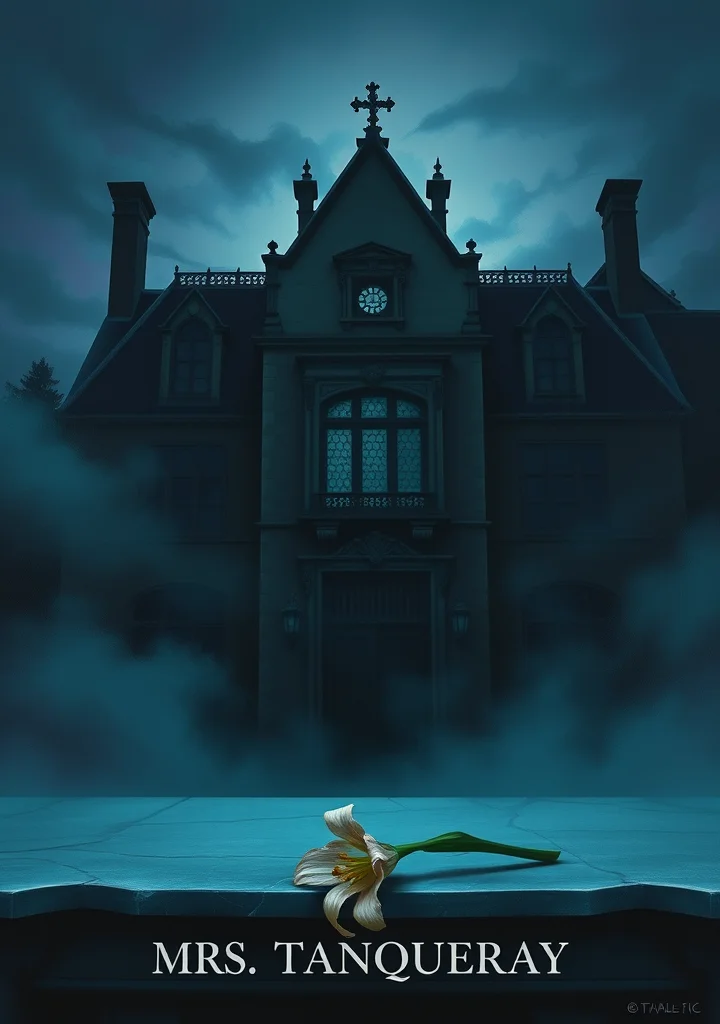
A creeping fog clings to the shadowed corners of London society, mirroring the secrets festering within the Tanqueray household. The air tastes of regret and simmering ambition, thick with the scent of lilies and decaying reputations. Eliza Tanqueray, a woman haunted by whispers of her first husband’s demise and shadowed by a past she cannot outrun, finds herself bound to the stern, judgemental gaze of Sir Robert Tanqueray. His manor, a stone leviathan against the bruised twilight, breathes with the chill of inherited grief and an obsessive need for control. Every polished surface, every precisely arranged bloom, feels less a display of wealth and more a cage built to contain a dangerous, glittering creature. The narrative unravels like a silken noose, tightening with each strained smile and overheard conversation. A feverish unease pervades the drawing rooms, where polite conversation masks a ravenous hunger for social dominance. The second Mrs. Tanqueray is not merely a wife, but a specimen under glass, dissected by the eyes of a society that thrives on speculation and thrives on the slow, exquisite unraveling of a woman’s life. The darkness is not found in the shadows, but in the calculated glint of a man who believes he can purchase redemption through a second, more compliant bride. It is a house of brittle smiles and brittle bones, where every glance is a calculation, and every breath held is a testament to the suffocating weight of expectation.