
Meatloaf and Lightsabers
  • 25
  • 0
  • 8
  • Read 25
  • 0
  • Part 8
Completed, First published May 20, 2026

The narrative traces a series of unexpected encounters as young Peter Parker navigates a world of established heroes. Initially patrolling as Spider-Man, Peter’s age becomes a point of contention with Iron Man, Tony Stark. This novel follows Peter’s interactions with Stark, revealing his awe at advanced technology like JARVIS. As Peter’s access to powerful weapons—including lightsabers built by Shuri—comes to light, Stark’s concern grows. These chapters hint at a chaotic dynamic between a seasoned hero attempting to manage a teenager’s reckless experimentation, while Shuri deals with emergencies of her own.
Copyright: All Rights Reserved
No person is allowed to use, redistribute, or modify your work in any form without your explicit permission.
Recommended for you
47 Part
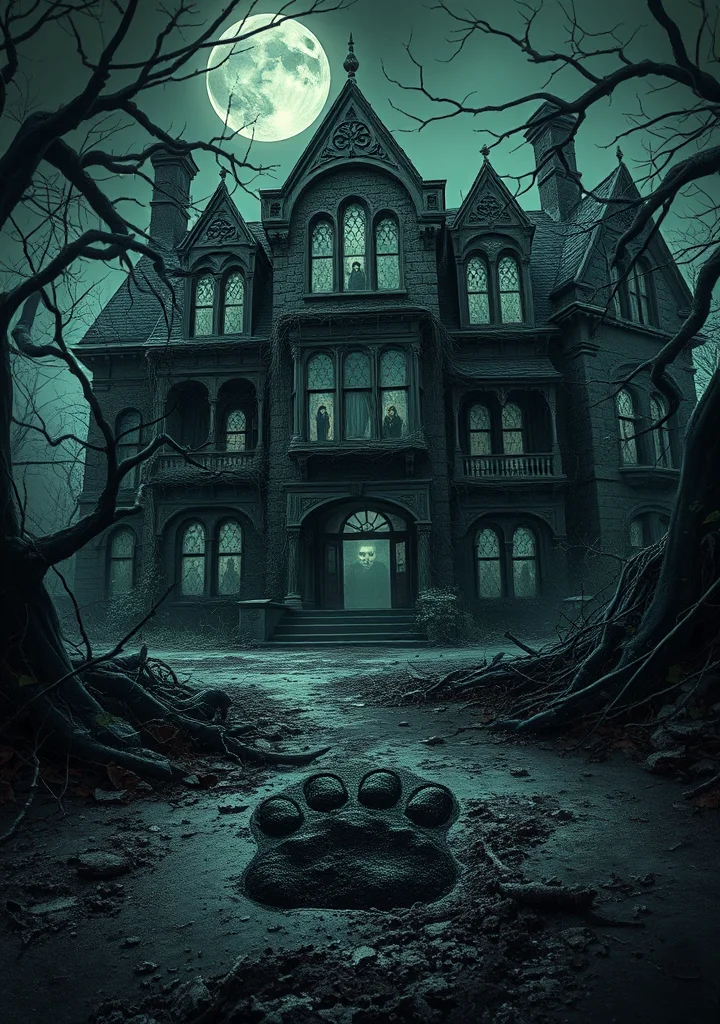
A creeping dread clings to the shadowed halls of Ashworth Manor, where the legacy of Silas Blackwood, a man rumored to have made pacts with something ancient and hungry, festers in the very stones. The air hangs thick with the scent of decay and forgotten sin, mirroring the rot within the Blackwood family itself. A suffocating inheritance binds young Arthur to a lineage steeped in whispered accusations of devilry, and the manor’s sprawling, overgrown grounds seem to pulse with a life both alluring and menacing. Every antique mirror reflects not faces, but fleeting glimpses of something *other*, and the relentless drumming of rain against the leaded windows feels less like weather and more like a desperate plea for release. The novel unravels with a slow, agonizing unraveling of sanity, the narrative choked by claustrophobic interiors and the oppressive weight of a past that refuses to stay buried. A creeping paranoia descends, blurring the line between the living and the dead, as Arthur discovers his inheritance is not merely land and title, but a monstrous legacy etched into his very blood. The narrative unfolds like a fever dream, punctuated by stolen glances at shadowed figures, the scent of damp earth clinging to every breath, and a chilling sense that something malevolent stalks the corridors, always just beyond the periphery of vision. A suffocating dread permeates every page, where the true horror lies not in what is seen, but in what is *felt* - the suffocating presence of a darkness that has waited centuries to claim its due.
38 Part
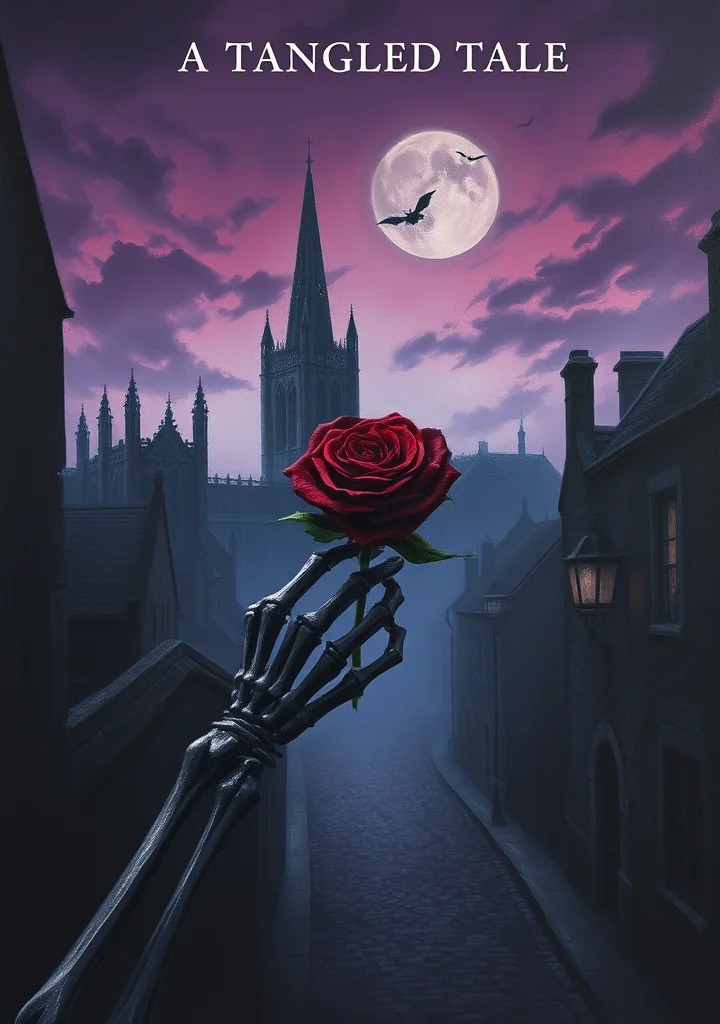
Beneath a perpetual twilight, where the cobbled streets of Oxford bleed into the encroaching shadows of dreaming spires, a labyrinth unfolds. Not of logic, nor reason, but of whispers and half-remembered fears. The air hangs thick with the scent of decaying roses and damp earth, clinging to the hems of coats worn thin by regret. A scholar, haunted by a melody only he can hear – a tune woven from moth wings and the rustling of forgotten prayers – finds his investigations twisting into corridors of mirrored reflections, each revealing a sliver of a fractured self. The city itself breathes with a feverish pulse, its inhabitants caught in a slow waltz with madness. Doors open into impossible angles, revealing parlours choked with velvet gloom and populated by figures whose faces shift with every glance. Every clock ticks backwards, unraveling the threads of time. The narrative unravels like a ribbon, tangled with threads of obsession, hinting at a darkness within the heart of academia. A creeping dread descends, born not of malice, but of the unsettling realization that the very foundations of reality are built upon a foundation of delicate, brittle lies. It is a descent into a world where the boundaries between waking and dreaming blur, where the echo of a forgotten smile can drive a man to the brink of despair, and where the most innocent of riddles conceal the key to a suffocating, unspoken terror. The garden is overgrown, the tea party is never ending, and the rabbit hole leads not to Wonderland, but to a suffocating, elegant rot.
18 Part
Dust hangs thick in the hollows of Havenwood, clinging to the shadowed eaves and rotting lace of the old Dunbar place. The air itself tastes of iron and regret, a perpetual twilight bleeding from the cypress swamps surrounding the crumbling mansion. Here, secrets aren’t whispered, they are *felt*—pressed against your skin like a cold hand, rising from the earth with the scent of magnolia and decay. Old Man Dunbar, they say, didn't die of fever, but of something *called* to him from the bayou, something hungry for the living breath of the house. His son, the narrator, returns to settle the estate, only to find Havenwood less a home and more a tomb, echoing with the phantom cries of those who vanished into the swamp’s embrace. Every floorboard groans with unseen footsteps, every window pane reflects a face not his own. The darkness isn't merely absence of light; it’s a presence—a suffocating weight of memory and malice. He discovers a lineage steeped in shadowed bargains, a pact made with the swamp's ancient heart. The further he delves into his father's final days, the more Havenwood seems to breathe with a life of its own, drawing him into the mire of its history. The uncalled come not as specters, but as whispers in the reeds, as faces in the water, as the slow, creeping rot that consumes all things left too long in the shadow of Havenwood. The swamp doesn’t just claim its victims; it *remembers* them, weaving their despair into the very fabric of the house, until the line between the living and the lost dissolves entirely.