
The Conscious Lovers
  • 158
  • 0
  • 25
  • Reads 158
  • 0
  • Part 25
Completed, First published Mar 02, 2026

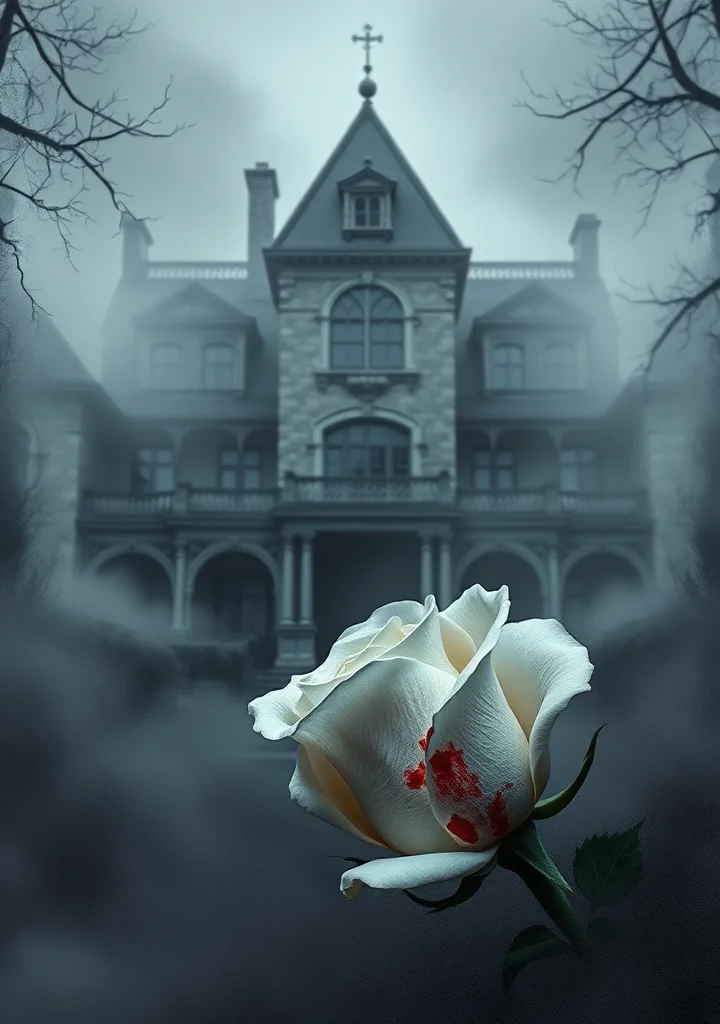
A suffocating fog clings to the crumbling estate of the Lovelaces, mirroring the miasma of secrets within. Here, amidst decaying tapestries and shadowed corridors, two souls—Anna and Beau—navigate a courtship riddled with the brittle echoes of past betrayals. Their love is not born of light, but unearthed from the crypts of family history, a morbid bloom fed by inherited grievances and whispered accusations. Each stolen glance, each hesitant touch, feels less a joining of hearts than an exhumation of buried sins. The house itself breathes with a malevolent sentience, its darkened chambers holding the ghosts of lovers lost to madness and despair. A stifling propriety masks a festering rot beneath, where obsession masquerades as devotion and the promise of union feels less like salvation and more like a gilded cage. The very air hums with the weight of expectation, a suffocating pressure that threatens to crush the fragile bloom of their affection into dust. It is a love story not of passion’s ascent, but of its slow, agonizing descent into the shadowed depths of a decaying world. Every shared moment is shadowed by the premonition of ruin, a haunting certainty that their union will not mend, but fracture, within the suffocating embrace of the Lovelace legacy.
Copyright: Public Domain
This license allows anyone to use your story for any purpose, including printing, selling, or adapting it into a film freely.
Recommended for you
51 Part
A creeping dread clings to the shadowed halls of Lilith, a tale spun from the decaying threads of Victorian piety and the suffocating bloom of pre-Raphaelite melancholy. MacDonald doesn’t offer simple ghosts, but a haunting inheritance of sorrow woven into the very stones of a crumbling manor. The air is thick with the scent of damp earth and forgotten prayers, as a young woman, awakened from a feverish sleep, finds herself bound to a legacy of spectral griefs. Her world is one of languid decay, where portraits weep with unseen tears and the weight of ancestral despair presses down like velvet shrouds. The house itself breathes – a living organism of sorrow, its chambers echoing with the whispers of those long vanished. A strange, ethereal presence, both alluring and terrifying, claims dominion over the estate, weaving a web of influence that ensnares the heroine in a dance with shadows. The narrative unfolds not with the clang of gothic horror, but with the slow drip of melancholia, the rustle of unseen silk, and the chilling realization that the boundaries between dream and reality, life and death, are porous and fragile. It is a story of inheritance not of wealth, but of affliction, a descent into the labyrinthine depths of a soul haunted by a past it can scarcely comprehend, yet is irrevocably bound to endure. A subtle poison of unease permeates every page, promising not a violent climax, but a quiet, insidious unraveling of the self within the suffocating embrace of Lilith’s spectral dominion.
12 Part
A creeping dread clings to the Scottish Highlands, a suffocating weight born not of stone and shadow, but of ambition and icy calculation. Buchan doesn’t offer roaring castles or spectral apparitions, but a far more insidious haunting – the slow, deliberate erosion of a man’s soul within the brutal architecture of his own making. The estate of Aird’s Glen isn’t merely a house, but a fortress of will, built upon a foundation of stolen secrets and shadowed deeds. The air within its walls is thick with the scent of peat smoke and the ghosts of fortunes won and lives broken. It’s a place where the very landscape seems to conspire to conceal, and the silence holds a tremor of violence barely contained. Every polished surface, every perfectly aligned stone, reflects a ruthlessness that chills the bone. The narrative doesn’t rush towards a climax, but coils like a viper in the darkness, tightening with each whispered conversation, each carefully placed rumour. The true horror isn’t what is *in* the Powerhouse, but what it *becomes* – a monument to the terrifying elegance of a man who dares to play God amongst the heather and the rain. The oppressive isolation isn't merely geographical, but a suffocating imprisonment within a mind determined to conquer not just land, but the very spirit of the glen itself. It’s a story where the landscape itself is a witness to sin, and the wind carries the lament of those consumed by its ambition.
35 Part
A creeping dread clings to the stone of the Wolfings’ hall, a northern keep haunted by the echoes of a forgotten lineage. Dust motes dance in the perpetual twilight of its shadowed chambers, each a phantom memory of strength and sorrow. The very air tastes of iron and decay, of a glory fading into the encroaching forest. Here, the last of a noble kin, Northmen forged in the crucible of ancient lore, find their heritage besieged not by raiding armies, but by a subtle, insidious rot—a loneliness that breeds despair, a creeping curse woven into the very fabric of the house. Days bleed into nights indistinguishable save for the flickering hearthlight revealing grotesque carvings of wolves and the faces of long-dead ancestors. A sense of isolation, of being watched by something cold and ancient within the walls, permeates every corner. The whispers of the past become tangible—a scent of woodsmoke and blood, a chilling touch on bare skin, a heartbeat echoing in the empty towers. The land itself seems to mourn alongside the Wolfings, the trees clawing at the sky like skeletal hands, the moor stretching out like a grey, undulating sea of forgotten gods. It is a place where the boundaries between the living world and the realm of shadow blur, where the weight of history crushes the spirit, and the heart grows stone within its chest. The house is not merely a structure, but a tomb breathing with the slow, ragged breaths of a dying race, and the wolf, both symbol and specter, waits patiently for its final claim.