Morning's Secret Crush
  • 10
  • 0
  • 3
  • Read 10
  • 0
  • Part 3
Completed, First published May 30, 2026

The narrative traces the unfolding dynamic between Taehyung and Jungkook, roommates navigating a charged connection. These chapters reveal Taehyung’s secret crush on Jungkook, fueled by playful teasing and intimate moments. As Taehyung confides in Jimin about his affections, Jungkook’s own flirtatious behavior deepens, hinting at a reciprocal attraction. The story follows Taehyung’s flustered reactions to Jungkook’s advances, even as Jungkook considers their relationship as something beyond friendship. These early glimpses suggest a complex exploration of longing and emerging romantic tension.
Copyright: All Rights Reserved
No person is allowed to use, redistribute, or modify your work in any form without your explicit permission.
Recommended for you
30 Part
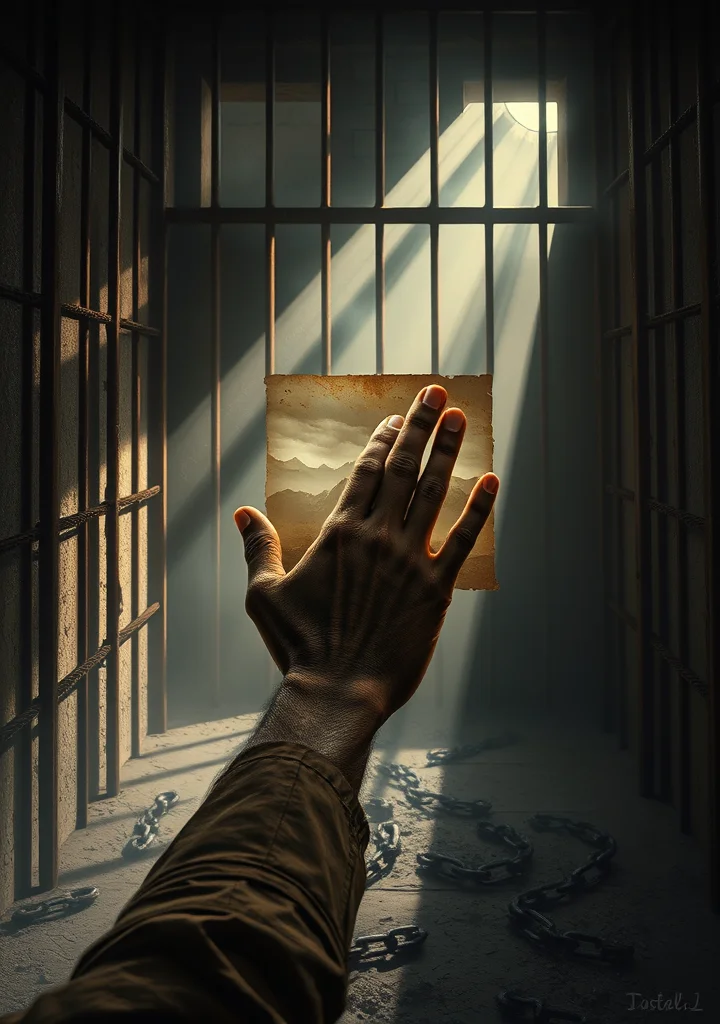
A suffocating dread clings to the timbers of the *Grampus*, and spills onto the icy shores of the Antarctic. Poe’s narrative isn’t merely a voyage; it’s a descent into the marrow-deep loneliness of the human condition. The narrative unravels not with grand spectacle, but with the slow, creeping rot of despair. Arthur Gordon Pym’s tale is one of escalating claustrophobia—first within the confines of a mutinous whaling vessel, then within the suffocating embrace of a desolate, white wilderness. The prose itself mimics the fracturing of Pym’s sanity. Sunken landscapes of feverish delirium rise from the pages, populated by phantom cannibals and the oppressive weight of unnameable horrors. The reader is not shown a monster, but *feels* it lurking in the ship’s hold, in the lengthening shadows of the Southern seas, in the echoing silence of the final, obsidian-walled chamber. The narrative’s true horror isn’t found in what is described, but in what remains stubbornly *unseen*—the vast, echoing emptiness beyond reason, the encroaching madness mirrored in the increasingly fractured narrative, and the chilling realization that Pym’s salvation may be a fate far more terrible than death itself. A suffocating atmosphere of isolation, punctuated by the chilling whisper of the unknown, permeates every line, leaving the reader adrift on a sea of dread, haunted by the echoes of a descent into the abyss.
81 Part
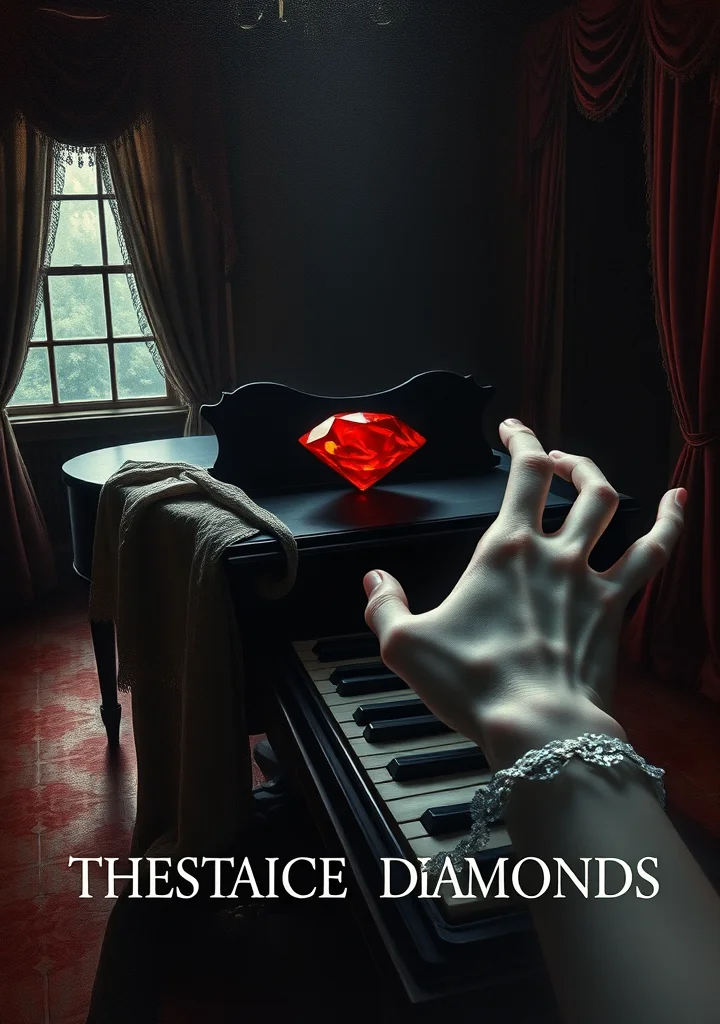
A creeping dread clings to the manor houses and polished drawing rooms of mid-Victorian England, a chill that isn't merely seasonal. The Eustace Diamonds, glittering heirlooms passed down through generations, become less jewels and more spectral witnesses to a fractured lineage. Their fate mirrors the unraveling of young Lady Eustace Greystock, a woman whose beauty and desperation intertwine with the grasping ambitions of men circling like carrion birds. The narrative unfolds in shadowed parlors and echoing hallways, where whispered anxieties and concealed debts fester beneath a veneer of polite society. A suffocating politeness masks the ravenous hunger for wealth and status, a hunger that threatens to devour the very foundations of respectability. Each glittering facet of the diamonds reflects a distorted truth, illuminating the decaying moral landscape of a world obsessed with appearances. The air is thick with the scent of fading roses and unspoken resentments, a stifling fragrance that clings to the silk gowns and tailored coats of those entangled in the diamonds’ orbit. A slow, relentless pressure builds as the novel progresses, mirroring the tightening coils of a snare. The narrative doesn’t rush, but *persists* - like the slow drip of water eroding stone, or the insidious growth of mold within a forgotten crypt. It’s a story steeped in the gray morality of provincial life, where fortunes are won and lost on a whisper, and where the weight of expectation threatens to crush the fragile bloom of a woman’s ambition. The diamonds themselves become a curse, attracting shadows and breeding decay, a glittering symbol of the rot at the heart of a gilded age.
35 Part
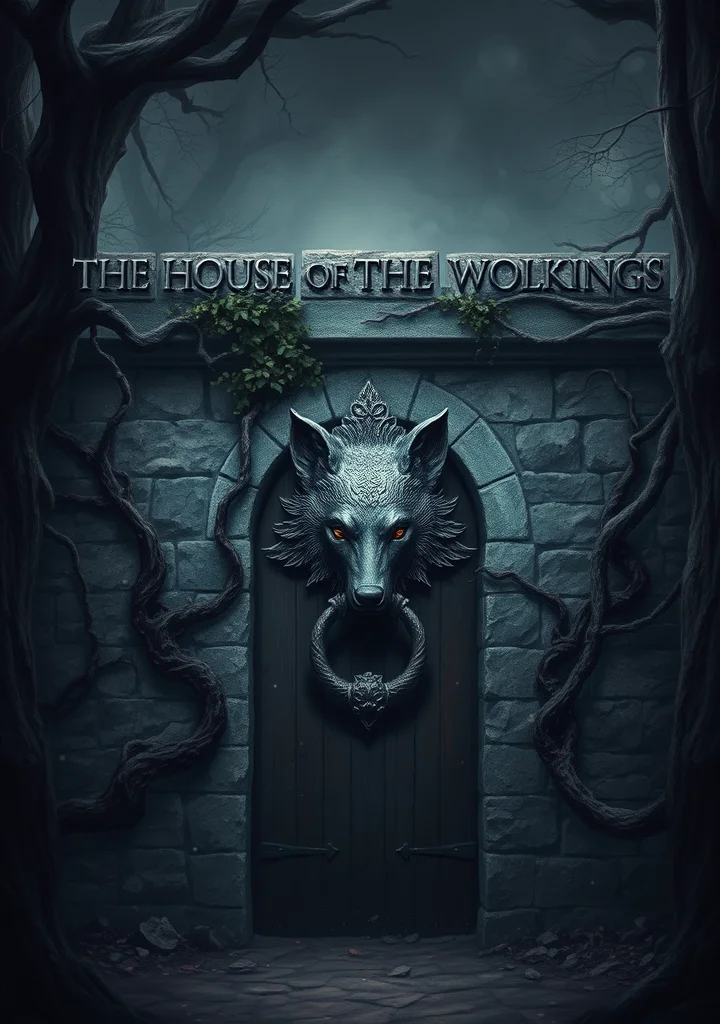
A creeping dread clings to the stone of the Wolfings’ hall, a northern keep haunted by the echoes of a forgotten lineage. Dust motes dance in the perpetual twilight of its shadowed chambers, each a phantom memory of strength and sorrow. The very air tastes of iron and decay, of a glory fading into the encroaching forest. Here, the last of a noble kin, Northmen forged in the crucible of ancient lore, find their heritage besieged not by raiding armies, but by a subtle, insidious rot—a loneliness that breeds despair, a creeping curse woven into the very fabric of the house. Days bleed into nights indistinguishable save for the flickering hearthlight revealing grotesque carvings of wolves and the faces of long-dead ancestors. A sense of isolation, of being watched by something cold and ancient within the walls, permeates every corner. The whispers of the past become tangible—a scent of woodsmoke and blood, a chilling touch on bare skin, a heartbeat echoing in the empty towers. The land itself seems to mourn alongside the Wolfings, the trees clawing at the sky like skeletal hands, the moor stretching out like a grey, undulating sea of forgotten gods. It is a place where the boundaries between the living world and the realm of shadow blur, where the weight of history crushes the spirit, and the heart grows stone within its chest. The house is not merely a structure, but a tomb breathing with the slow, ragged breaths of a dying race, and the wolf, both symbol and specter, waits patiently for its final claim.