
Office Resentments
  • 4
  • 0
  • 1
  • Read 4
  • 0
  • Part 1
Completed, First published Jun 04, 2026

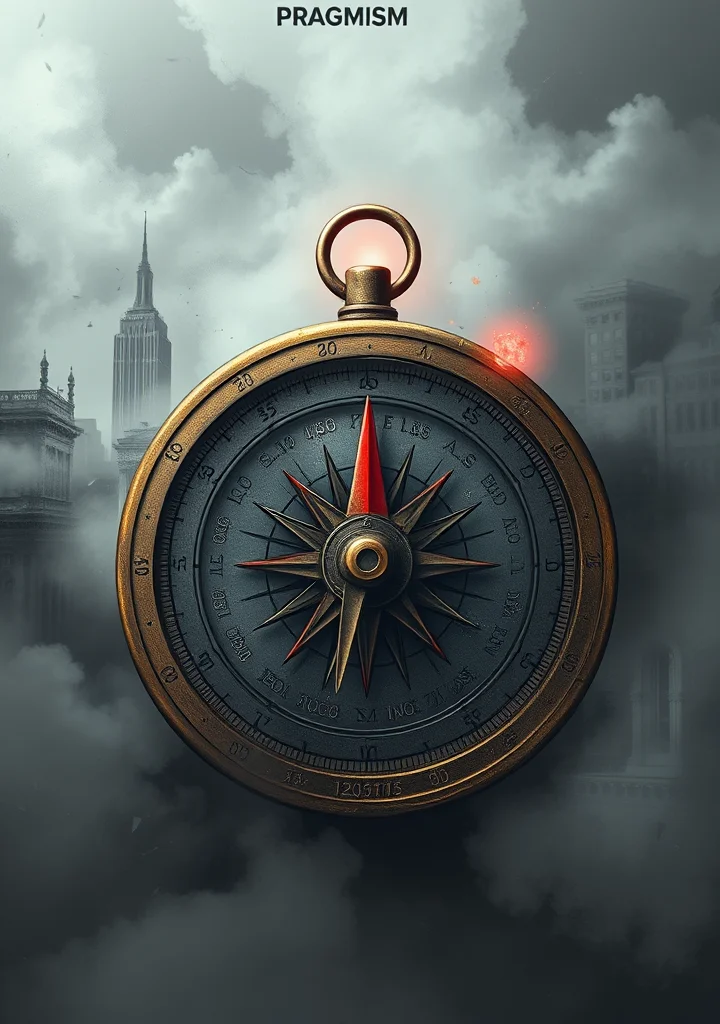
The narrative traces the escalating tensions within a cutthroat professional landscape. In this novel, seemingly minor office dynamics reveal a simmering undercurrent of resentment and calculated manipulation. Chapters detail how an assistant navigates a demeaning boss, retaliating through subtle acts of defiance. Meanwhile, a CEO’s carefully constructed façade unravels as personal schemes collide with workplace loyalties. These chapters suggest a world where ambition fuels deception, and individuals are readily discarded in the pursuit of power. The story hints at escalating control and the chilling pragmatism driving these characters.
Copyright: All Rights Reserved
No person is allowed to use, redistribute, or modify your work in any form without your explicit permission.
Recommended for you

32 Part
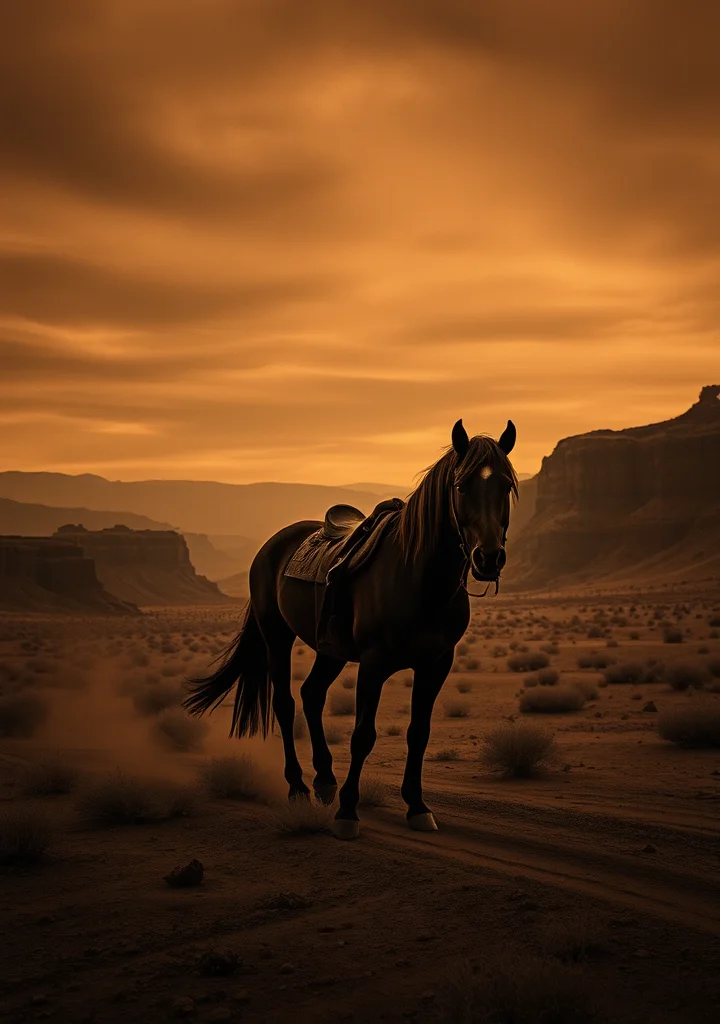
The salt-laced wind howls through skeletal chaparral, mirroring the desperation clawing at the throats of men adrift in a California bleached bone-white by sun and regret. Edison Marshall doesn’t offer cowboys or gunfights, but a creeping dread born of isolation, of land that swallows men whole and spits out their ghosts to wander the canyons. Here, the ranchers—the “shepherds”—are less masters of cattle than wardens of a crumbling dominion, haunted by the specter of Spanish conquest and the whispers of native spirits driven to madness. Dust devils dance with the memories of slaughtered herds, the phantom cries of women lost to the desert’s embrace. The narrative unfolds as a slow bleed of violence, not from quick draws but from the rot within families fractured by ambition and thirst. Every cracked adobe wall breathes with the weight of inherited sins, every shadow cast by a Joshua tree seems to lengthen into the shape of a noose. The land itself is a character—a vast, indifferent god demanding sacrifice. The men who cling to it, driven by a desperate need to build something lasting from dust and decay, are shadowed by the realization that they are building their tombs, not empires. This isn't a tale of the West won, but of the West *consuming*, leaving only hollowed men and the bleached bones of a kingdom built on sand. The air is thick with the scent of sage and the metallic tang of blood, both old and freshly spilled, clinging to the canyons like a shroud.
13 Part
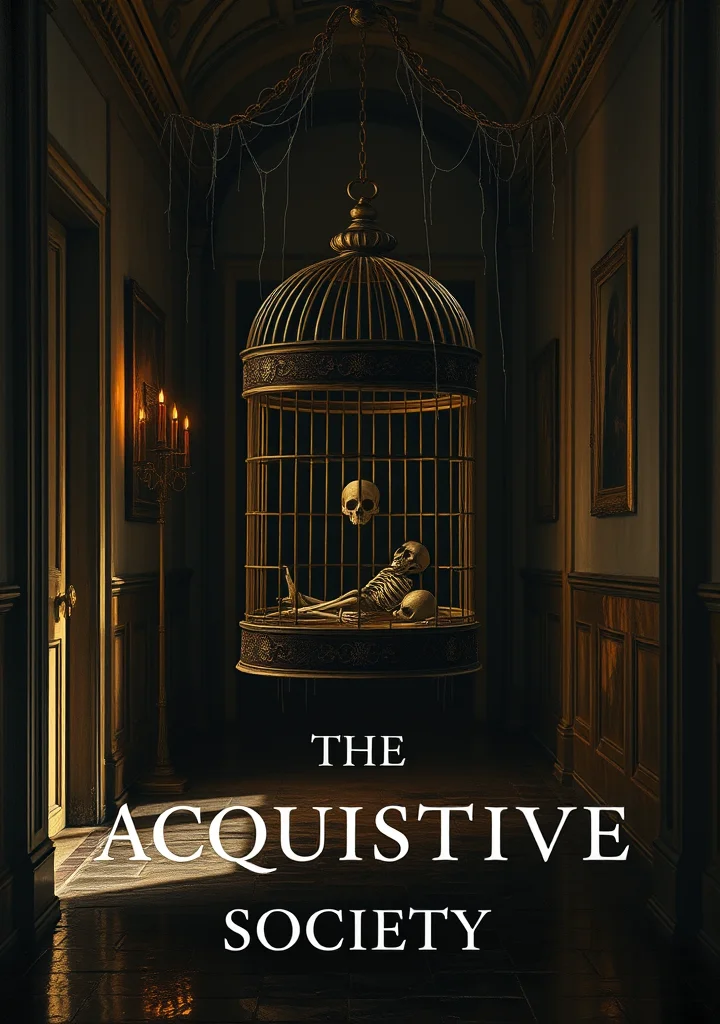
A creeping dampness clings to the cobblestones of Harrowgate, mirroring the rot within the gilded cages of its elite. Tawney’s narrative exhumes a city suffocated not by plague, but by insatiable appetite—a hunger for legacy, for possessions, for the very husks of lives consumed by ambition. Each manor house exhales secrets in the draughty hallways, whispers of fortunes built on shadowed deals and the slow, deliberate erasure of inconvenient kin. The air is thick with the scent of beeswax polish masking decay, of velvet drapes concealing dust-motes dancing in the perpetual twilight. A brittle elegance permeates everything, a performance of refinement barely masking the desperation beneath. The protagonist, a scholar of inherited debts, is drawn into a labyrinth of estates where the acquisition of wealth has birthed a monstrous lineage, each heir a parasite feeding on the dwindling inheritance of their predecessors. Shadows stretch long from the gas lamps, revealing not merely figures in the gloom, but the spectral remnants of those whose possessions were claimed—their faces etched into the very wallpaper, their voices woven into the fabric of the antique furniture. The true horror isn’t the taking of things, but the hollowness that remains when everything has been bought and sold, leaving only the echoing emptiness of a soul willingly traded for another’s gain. A creeping dread permeates every room, a sense of being watched by the objects themselves, each piece of furniture a silent judge, each portrait a veiled accusation.