
Palms and Pick-Up Lines
  • 32
  • 0
  • 7
  • Read 32
  • 0
  • Part 7
Completed, First published May 12, 2026

This novel opens with a self-aware author addressing readers, sharing the unusual origins of a middle school work rediscovered with gratitude. The narrative then shifts to follow Chase’s anxious navigation of high school social dynamics, particularly the unwelcome seating arrangements in chemistry class. A playful encounter with a classmate named Harper quickly escalates into a flirtatious exchange—a daring game of pick-up lines written on palms during class. Though their banter attracts the attention of a watchful teacher, these chapters hint at a budding attraction fueled by witty repartee and classroom disruption.
Copyright: All Rights Reserved
No person is allowed to use, redistribute, or modify your work in any form without your explicit permission.
Recommended for you
25 Part
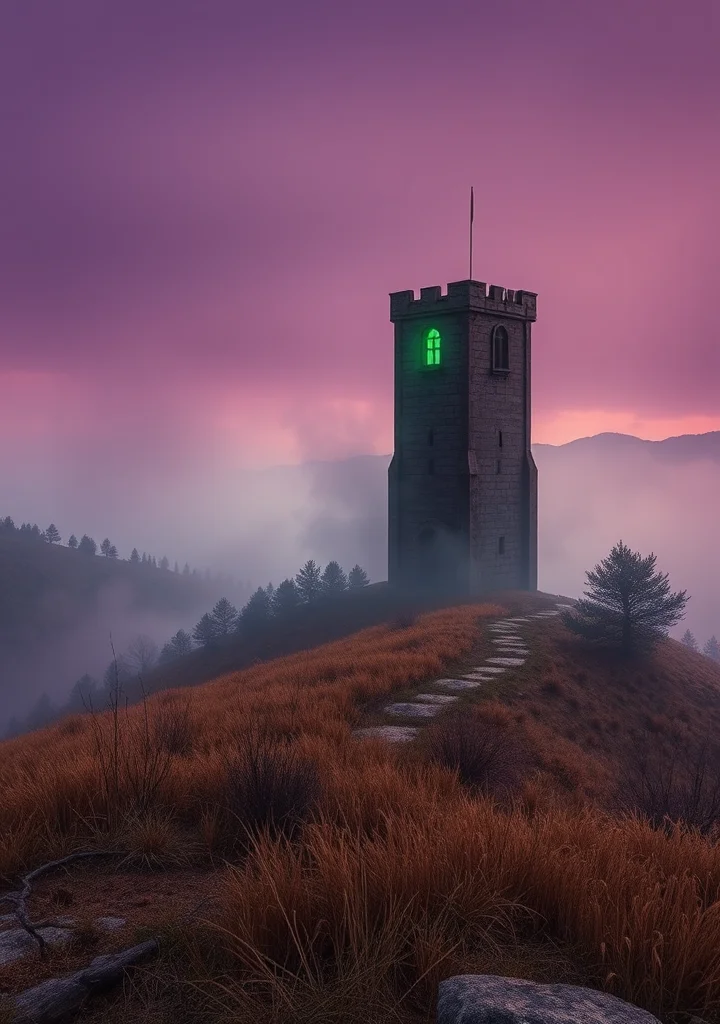
A creeping dread clings to the Balkan foothills, a suffocating miasma of suspicion and shadowed allegiances. Buchan’s narrative unfolds not in grand castles or crumbling abbeys, but in the sun-bleached dust of a world poised on the precipice of war, yet haunted by something older, something woven into the very stones of the mountains. The air tastes of gunpowder and pine needles, but beneath it, a sickly sweetness—the rot of a conspiracy festering in the heart of Europe. The protagonist moves through a landscape of simmering religious fervor and clandestine deals, perpetually shadowed by the knowledge that every smile masks a betrayal. The beauty of the countryside is a deceptive shroud for the ancient, unforgiving loyalty of the tribesmen, their faces carved with the secrets of generations. A sense of claustrophobia grips the reader as the story descends into the labyrinthine alleys of Belgrade and the remote monasteries clinging to the cliffs. Every encounter feels weighted with the potential for violence, every silence echoing with unseen threats. The narrative doesn’t rely on overt horror, but on the insidious erosion of trust, the growing paranoia that clings to the protagonist like a shroud. The green mantle of the mountains isn’t a promise of refuge, but a camouflage for a darkness preparing to descend, obscuring the line between the living and the ghosts of those who have already succumbed to the region’s ancient, unforgiving heart.
65 Part
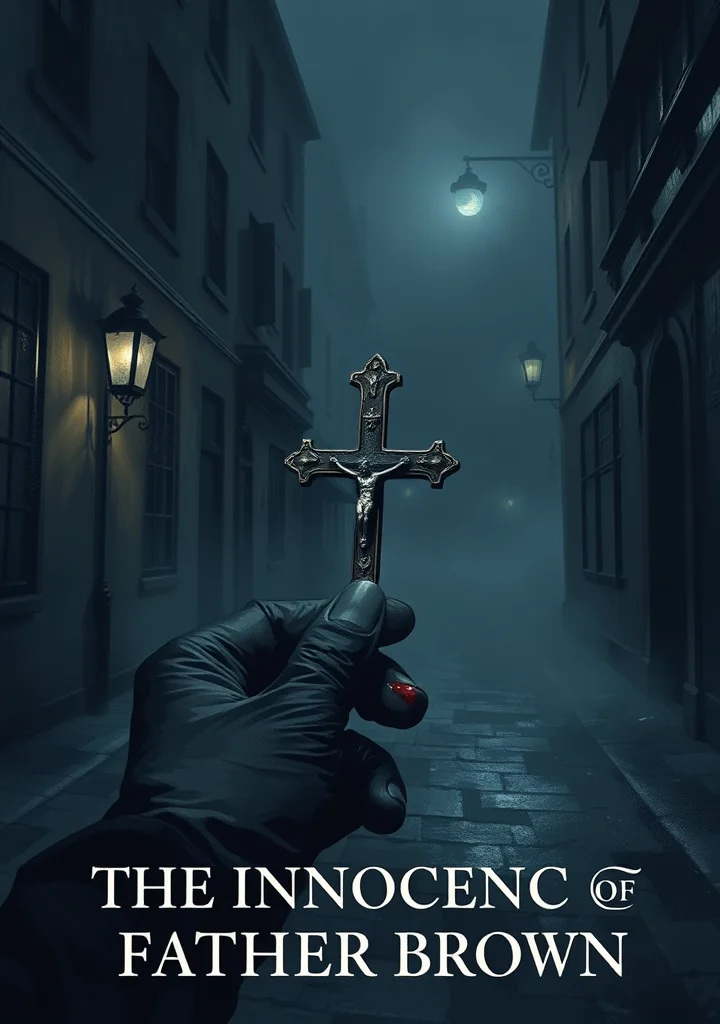
A suffocating fog clings to the cobblestones of Paris, mirroring the miasma of dread that seeps from the shadowed alleys and the decaying grandeur of the city’s heart. Gaboriau doesn’t offer a mere crime to unravel, but a descent into a labyrinthine underworld where the desperate are bound by debts of flesh and spirit to a cabal of silent, unseen masters. The air is thick with the scent of rot—not just of corpses discovered in the Seine, but of lives systematically broken down, of wills surrendered to a creeping, insidious control. Each chapter feels like a stolen glance through a keyhole, revealing glimpses of shadowed figures flitting between pawn shops and opium dens. The narrative winds through a decaying aristocracy, haunted by past sins and complicit in present ones, and a brutalized underworld of forgers, thieves, and the discarded. It’s a Paris where every whispered confidence is a transaction, every act of kindness a snare, and the boundaries between victim and predator blur into a sickening grey. The novel doesn't build to a climactic reveal, but rather unravels like a unraveling shroud, revealing not *who* commits the crimes, but *how* the very fabric of Parisian society is woven with corruption. A sense of helplessness pervades, a suffocating weight that descends with the Parisian rain. The reader is not merely observing a mystery; they’re being submerged in the moral decay of a city on the brink of collapse, where the only true currency is silence, and the price of freedom is paid in stolen breaths.
2421 Part
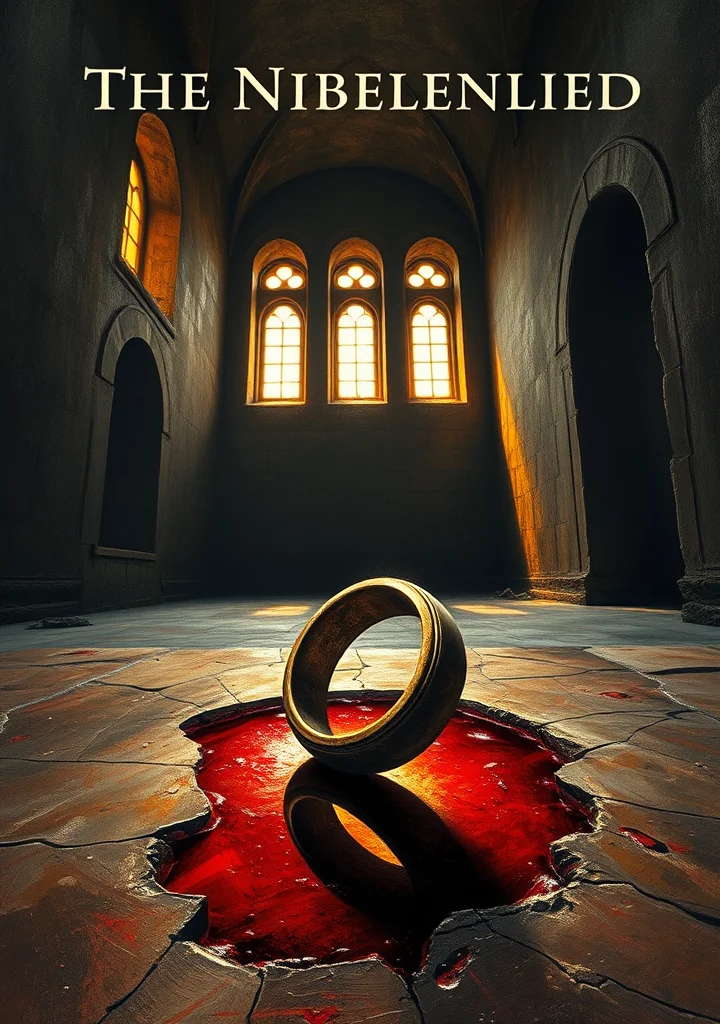
A creeping dread clings to the shadowed halls of Burgunden, where the echoes of ancient pacts and broken vows stain the stone with crimson. This is not a tale of heroes, but of a rot blooming within the heart of a kingdom—a festering wound carved by ambition and fueled by the lust for gold. The clang of steel is ever-present, not in glorious battle, but in the hushed corners of betrayal. Each gilded chain, each forged ring, whispers of a doom woven into the very fabric of the Nibelungs’ legacy. The river Rhine holds more than just the shimmering hoard; it carries the spectral lament of a bride stolen, a vengeance born of ice and night. Crimson stains the snows, not from winter’s chill, but from the spilling of blood under a moon that witnesses every fractured oath. Walls weep with the memory of feasts where deceit was served alongside wine, and the laughter of kings rings hollow as they dance toward their inevitable, brutal reckoning. The air is thick with the scent of pine resin and the metallic tang of iron, a perfume of decay that clings to the damp stone of castles and the frosted breath of dying men. Shadows stretch long and hungry, mirroring the growing darkness within the souls of those who chase power beyond its rightful measure. A sickness of the soul permeates the land, and the weight of prophecy feels like a shroud tightening around the throat, promising only the hollow echo of a fallen empire. The world is poised on a knife’s edge, where honor is a forgotten word and the only certainty is the coming storm of ruin.