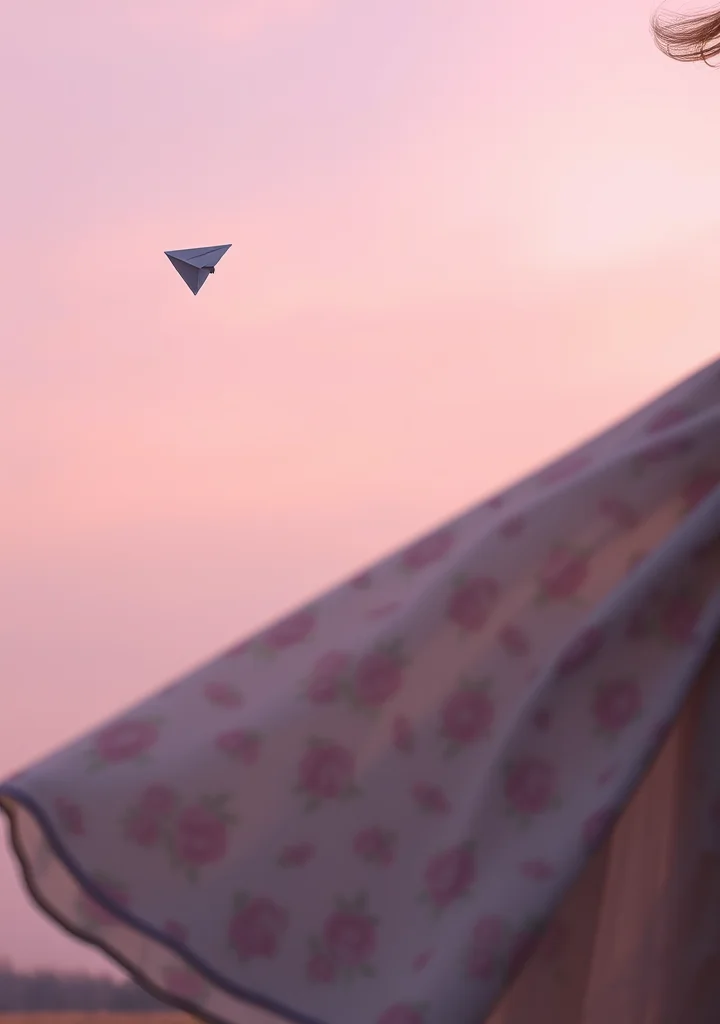

Paper Airplanes and Skirts
  • 117
  • 0
  • 25
  • Read 117
  • 0
  • Part 25
Completed, First published Jun 10, 2026

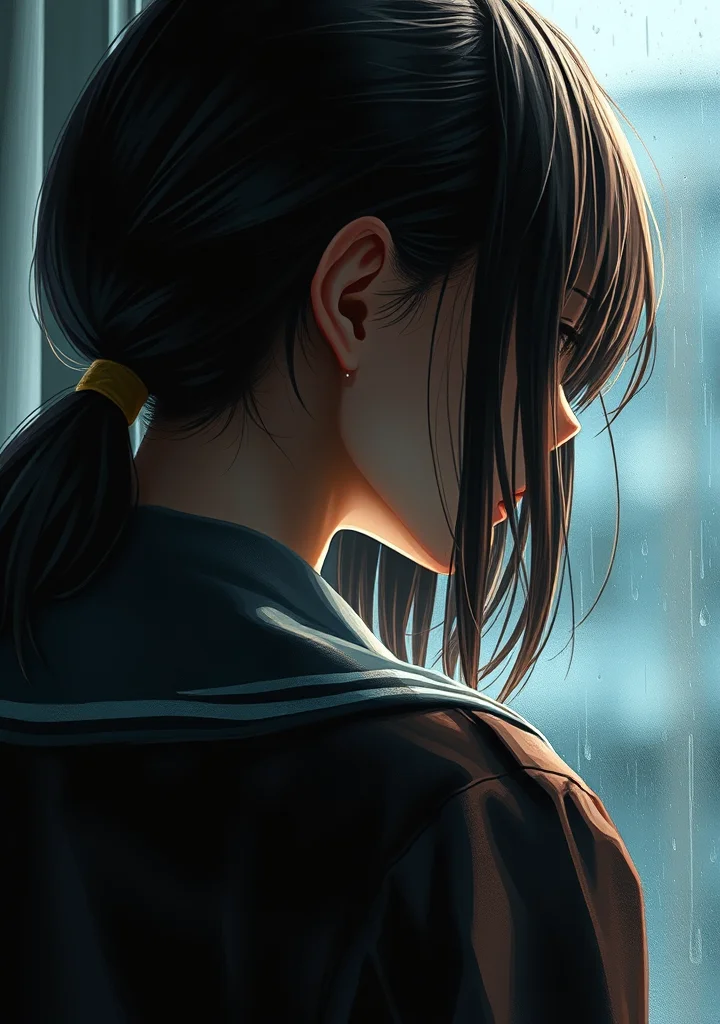
This novel follows a reunion shaped by distance and time. The story opens with eight-year-old Harry devastated by his best friend Louis’s move, and years later, the hope of reconnection as Louis’s mother returns home. As the two navigate a reunion after nearly a decade apart, anxiety and awkwardness surface. The narrative traces Harry’s nervousness surrounding Louis’s reaction to a bold personal choice, and hints at complex dynamics within their circle of friends. These early chapters signal a story exploring the delicate threads of childhood friendship and the uncertainties of rekindled connections.
Copyright: All Rights Reserved
No person is allowed to use, redistribute, or modify your work in any form without your explicit permission.
Recommended for you
38 Part
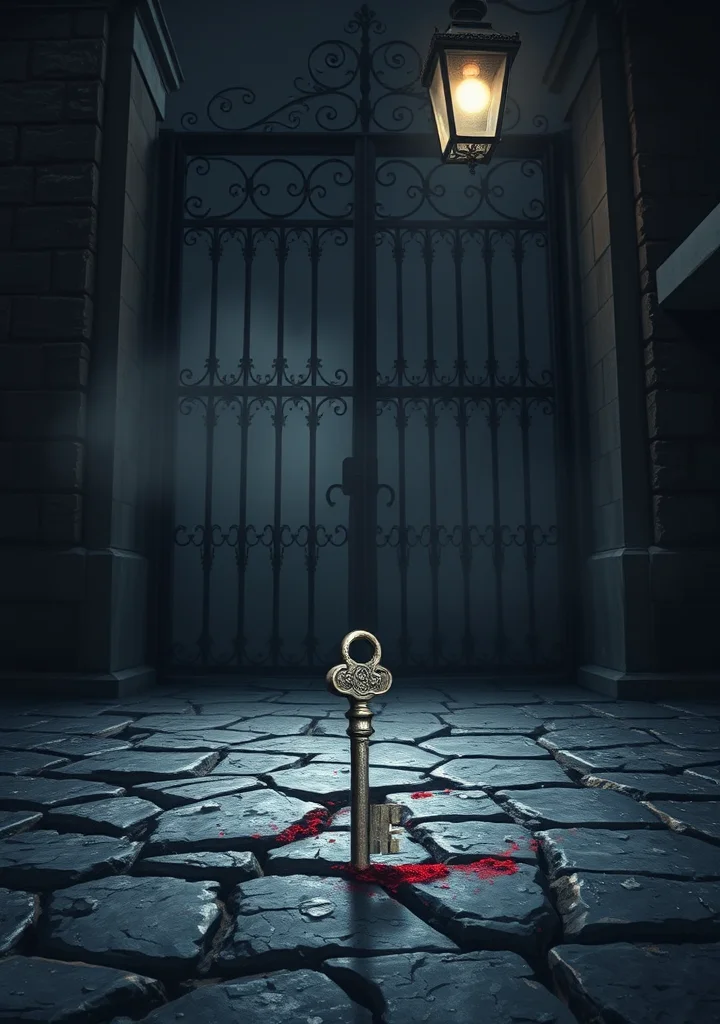
A creeping dread clings to the brownstone steps of Brooklyn Heights, thick as the November fog. Cole’s narrative unfolds not as a whodunit, but as a slow bleed of rot into the very foundations of respectability. Each murder—precise, ritualistic, and echoing with the hollow resonance of forgotten things—unearths not clues, but layers of shadowed history within the borough’s brick and iron. The investigation itself becomes a descent into a labyrinth of decaying mansions and gaslit alleys, haunted by the whispers of the dead and the suffocating weight of secrets. The air tastes of brine and old money, tainted by the metallic tang of blood. Rain slicks the cobblestones, reflecting the lamplight in fractured, spectral shapes. Witnesses are not forthcoming with answers, but with averted eyes and mumbled prayers. A suffocating sense of inevitability pervades, as if the killings are not aberrations but the inevitable culmination of a dark covenant made long ago, woven into the very fabric of the city’s ambition. The detective, haunted by visions of his own failures, walks a tightrope between sanity and the abyss, mirroring the city’s descent into a feverish, melancholic dream. Each discovered body is less a crime scene, and more a morbid tableau—a perverse echo of a past tragedy. The narrative doesn’t reveal answers, but exposes the raw, vulnerable nerve of a city built on the bones of its own ghosts, a place where the darkness doesn’t just fall, but *breathes*.
11 Part
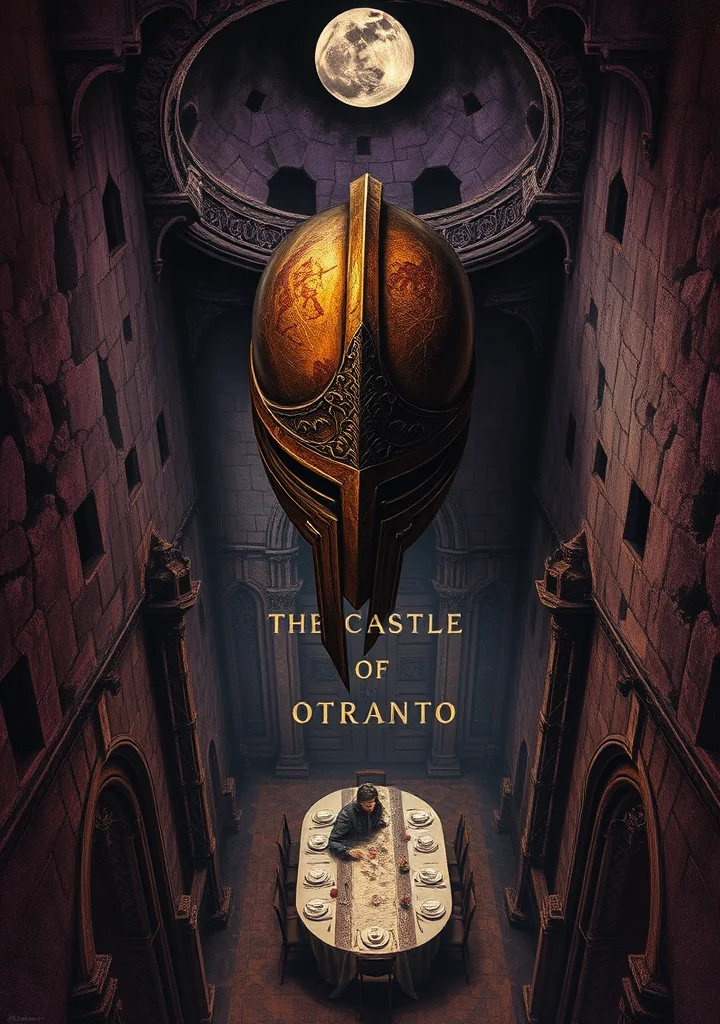
A suffocating dread clings to the stone of Otranto, a castle steeped in ancient prophecy and shadowed by generations of ambition. Within its echoing halls, the weight of a forgotten lineage presses down, manifested in the monstrous size of a helmet descending from unseen heights, crushing a son on his wedding day. The air itself is thick with superstition—portents bleed from decaying tapestries, and the very architecture seems to conspire against the living. A labyrinthine network of secret passages, crumbling vaults, and forgotten chambers breathes with the ghosts of tyrannical ancestors. The narrative unravels amidst flickering candlelight, revealing a lineage cursed by a dark inheritance—a claim to power purchased with blood and sealed by generations of unlawful deeds. The castle is not merely a structure, but a prison woven from despair. Its chambers are haunted by whispers of stolen birthrights, and the scent of decay permeates every stone. A creeping claustrophobia descends as the characters become puppets in a drama dictated by ancient scrolls and the machinations of a relentless, consuming fate. The shadows lengthen with each revelation, revealing a world where the boundaries between the living and the dead blur, and where the foundations of sanity crumble beneath the weight of ancestral sin. The narrative coils tighter, drawing the reader into a suffocating darkness where every breath is shadowed by the promise of violence and the chilling inevitability of the past returning to claim its due.