
Rising Star
  • 8
  • 0
  • 2
  • Read 8
  • 0
  • Part 2
Completed, First published May 29, 2026

The narrative traces the ambitions of young men vying for a life-changing opportunity within the competitive world of K-pop. When Big Hit Entertainment announces its “Rising Star” mentorship program, aspiring performers Jin-woo and Min-jun see a path toward global stardom. Simultaneously, established idol Kim Taehyung (V) navigates a crisis of public image, shadowed by scandal and loneliness. As Jungkook and Jimin reluctantly audition, pressured by expectations and hidden desires, the program’s structure unexpectedly shifts, promising mentorship to three hopefuls instead of one. These initial chapters hint at the complex interplay between ambition, public perception, and the pursuit of genuine connection.
Copyright: All Rights Reserved
No person is allowed to use, redistribute, or modify your work in any form without your explicit permission.
Recommended for you
38 Part
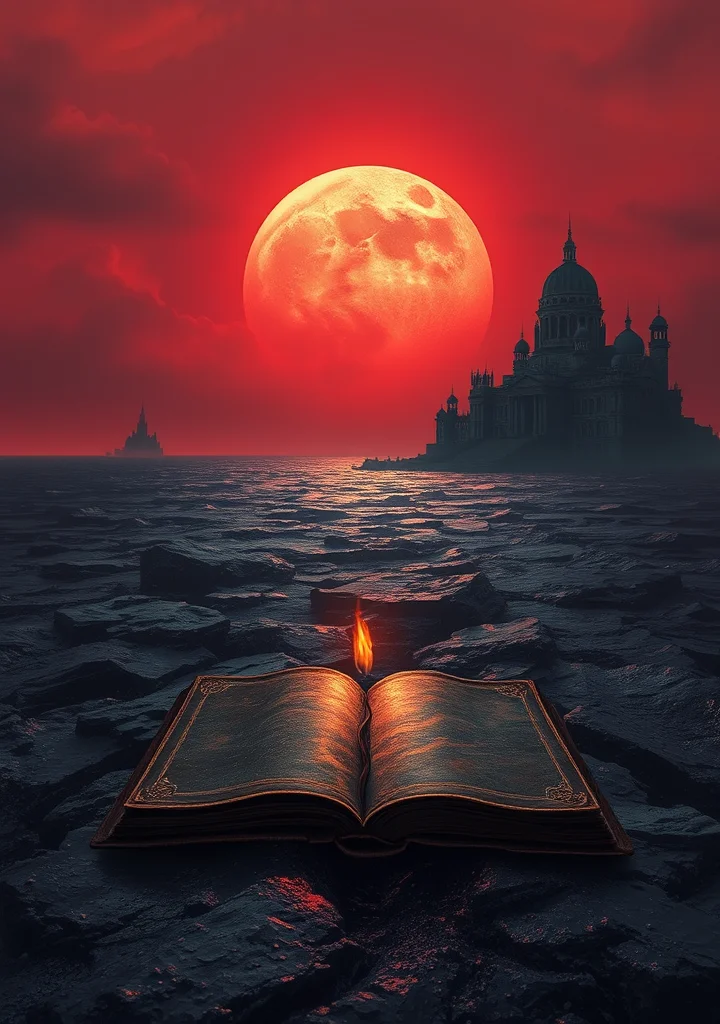
A creeping dread clings to the shores of a dying world. The sun bleeds crimson into a sea choked with silence, where the last echoes of humanity drift amongst the ruins of a forgotten paradise. This is not a tale of monstrous creation, but of monstrous *extinction*. A plague, born not of fever or rot, but of a profound and suffocating ennui, has withered the passions of men and women, leaving them listless, hollowed by a grief they cannot name. The narrative unfolds through journals discovered within a desolate, abandoned fortress – fragmented accounts of a scholar, Lionel, who watches the last vestiges of civilization crumble into dust. His observations are steeped in a melancholic beauty, documenting the slow, insidious unraveling of desire, ambition, even the will to *remember*. The air is thick with the scent of decay, not just of bodies, but of ideals. Every stone whispers of loss, every shadow holds the weight of a forgotten generation. Lionel’s desperate attempts to preserve memory – to catalogue the last songs, the last stories, the last faces – are rendered all the more agonizing by the realization that even *he* is fading, becoming a ghost amongst ghosts. The sea, a constant, mournful presence, mirrors the encroaching nothingness. It is a world adrift, haunted by the ghosts of its own futility, where the final act is not a dramatic struggle, but a quiet surrender to the encroaching darkness, a slow, deliberate letting go of everything that once made life worth living. The final man is not a hero, but a witness, documenting the last, shuddering breaths of a species consumed by its own emptiness.
12 Part
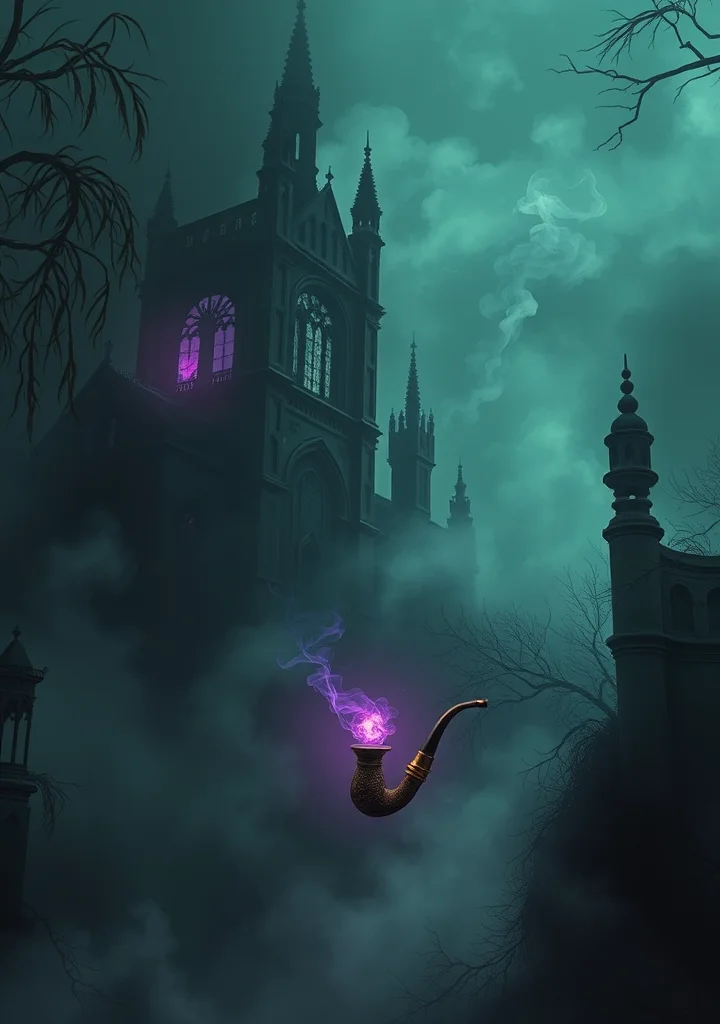
A fever dream stitched from memory and the shadowed corners of the mind. This is not a tale of simple addiction, but a descent into a labyrinth of spectral gardens and opium-hued reveries. The prose itself breathes with a melancholic cadence, mirroring the author's fractured recollections. London fog clings to every sentence, obscuring the boundaries between waking and dreaming. Here, the weight of sorrow is not merely felt, but *seen* – vast, ruined castles built from regret loom in the distance, their spires piercing a sky perpetually stained with twilight. The narrative unravels like a silk shroud, revealing a childhood both idyllic and haunted. Each chapter is a fragment of a shattered looking-glass, reflecting distorted images of lost innocence and the corrosive power of secret desires. There's a pervasive sense of isolation, a man adrift in a sea of his own making, his memories both solace and torment. Expect not a linear progression, but a spiraling vortex of sensation, where the mundane becomes monstrous and the ethereal feels terrifyingly real. The author’s confessions are less about the drug itself, and more about the landscapes it unlocks – landscapes populated by phantom mothers, shimmering Arabian visions, and the insidious whisper of a soul consumed by longing. This is a book to be read by candlelight, with the windows shuttered, and a heart braced for the cold touch of remembrance. It is a descent into the architecture of grief, rendered in the shimmering, hallucinatory light of opium’s embrace.
21 Part
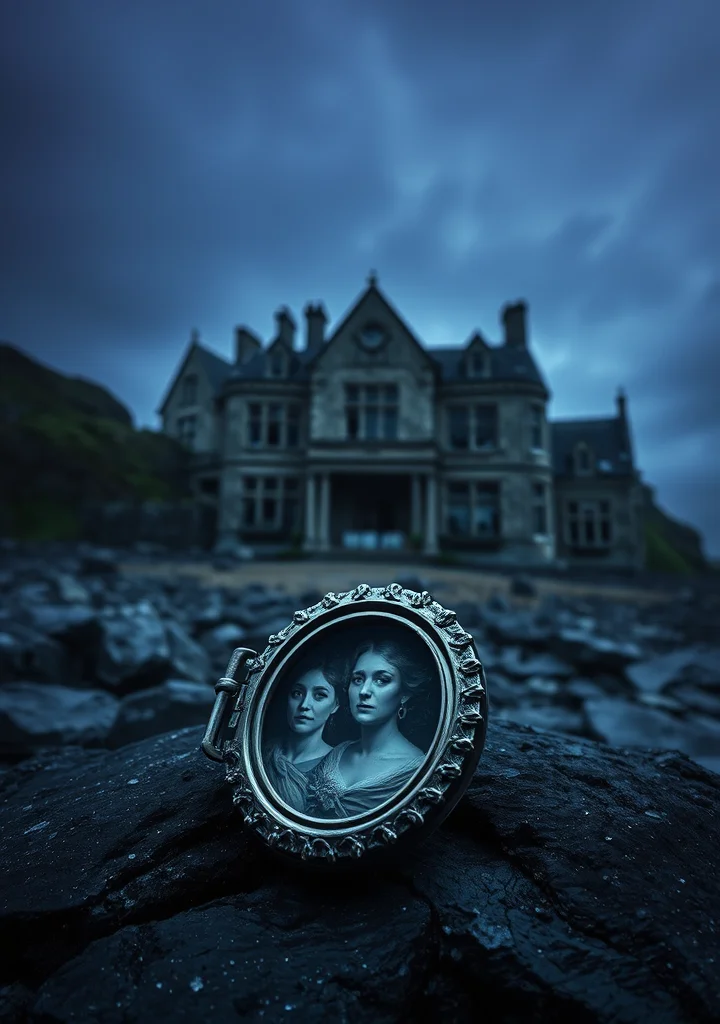
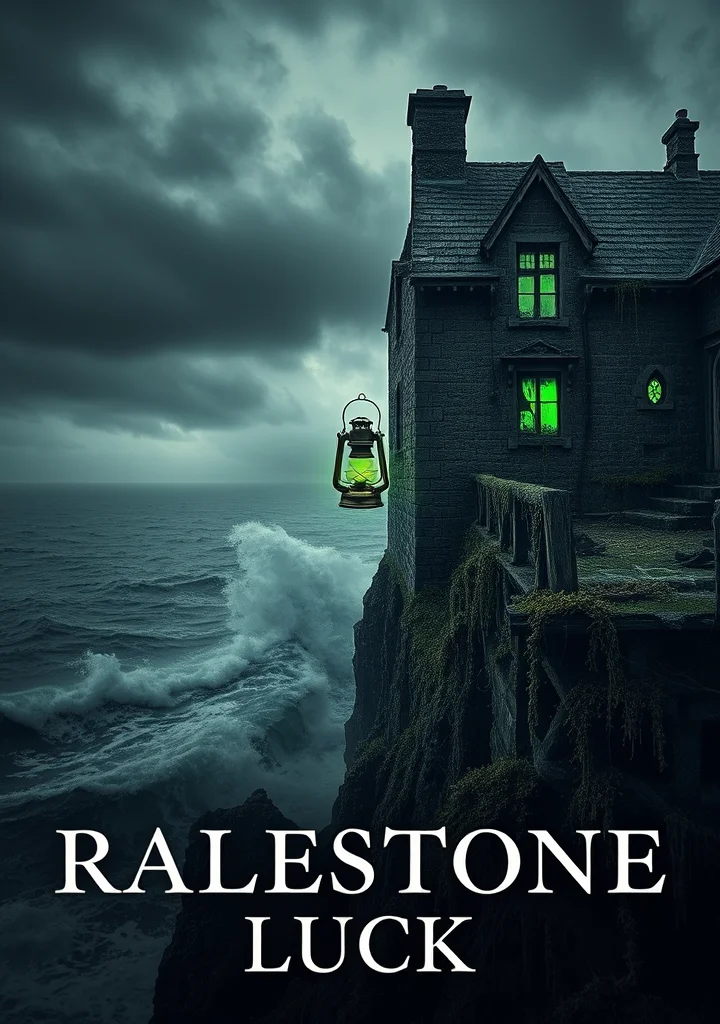
The crumbling Ralestone manor clings to the cliffs like a barnacle to a drowned wreck, perpetually shadowed by the bruised grey sky of the Northumbria coast. Within its damp stone walls, a legacy of misfortune doesn't merely linger, it *breathes*. Old Man Ralestone, they say, made a pact with the sea – trading generations of his family's prosperity for dominion over the treacherous currents. Now, his descendants inherit not wealth, but a creeping dread, a sense of being watched by something ancient and cold rising from the foam. The estate is choked with gnarled hawthorn and choked whispers of drowned sailors. Every high tide seems to drag a fragment of Ralestone's past – a chipped porcelain doll, a rusted fishing hook, a fragment of bone – to the shore. The manor house itself feels less like a dwelling and more like a lunging beast, its corridors twisting into labyrinthine shadows. A chilling, salt-laced wind howls through the empty hearths, carrying the echoes of broken promises and the scent of decay. Each room holds a portrait of a Ralestone, their faces gaunt and haunted, their eyes holding the same haunted recognition of a slow, inevitable sinking into the sea's grasp. The luck isn’t about winning or losing fortunes, but surviving until the next storm washes away another piece of the family’s sanity, leaving only the stones to remember their names. The very air is thick with the weight of a heritage that is not merely cursed, but *claimed* by the ocean’s hungry embrace.