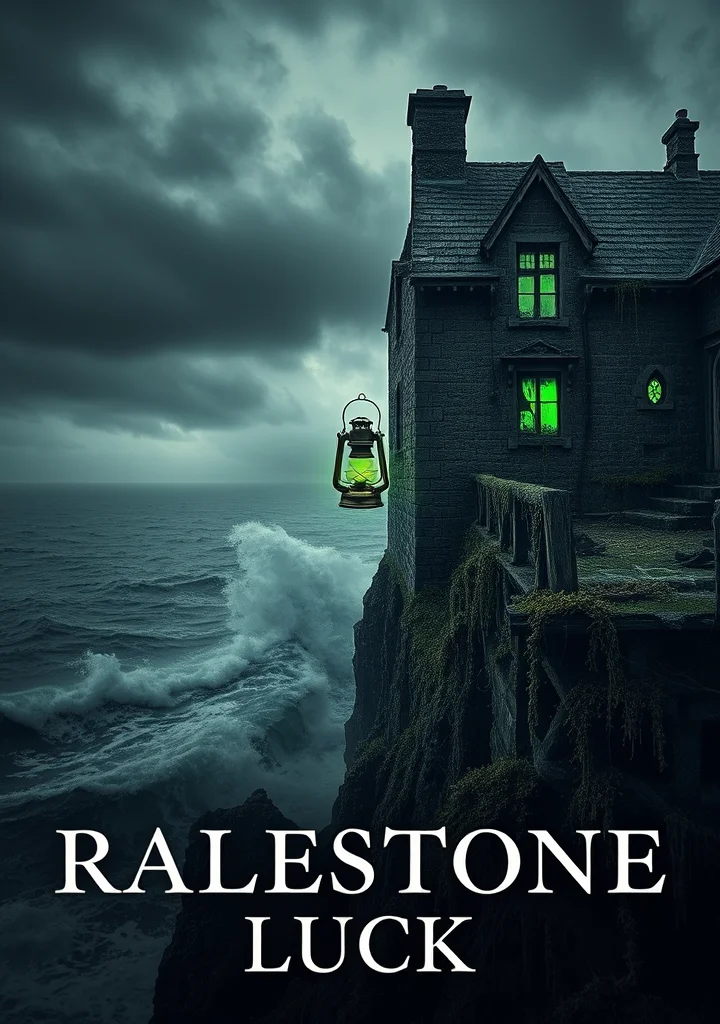

Ralestone Luck
  • 110
  • 0
  • 21
  • Reads 110
  • 0
  • Part 21
Completed, First published Mar 02, 2026

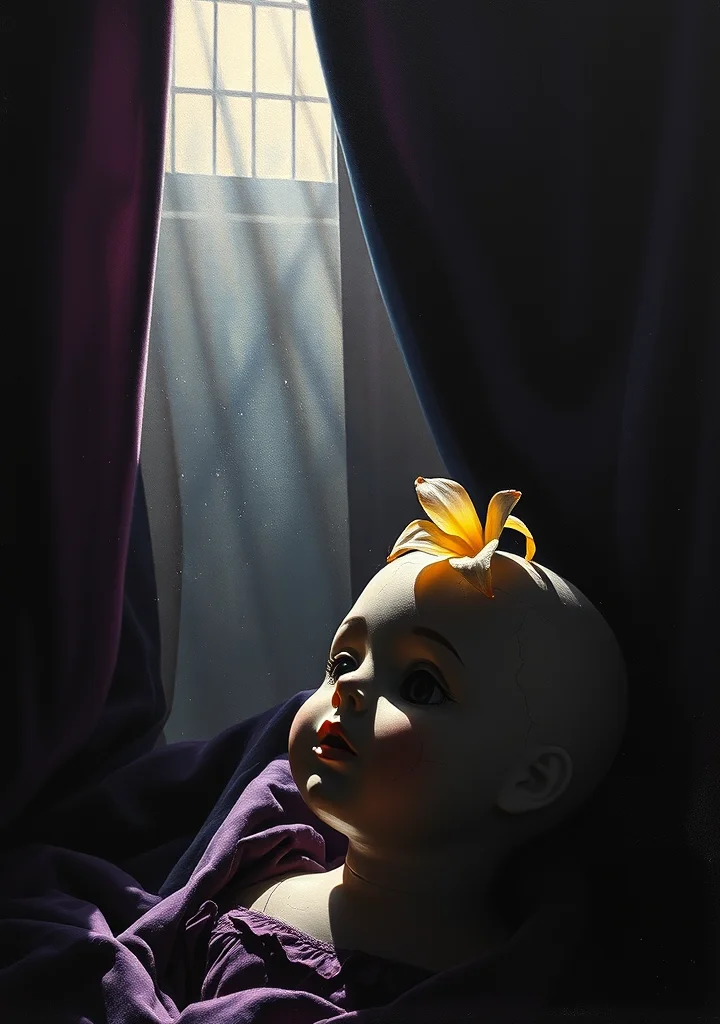
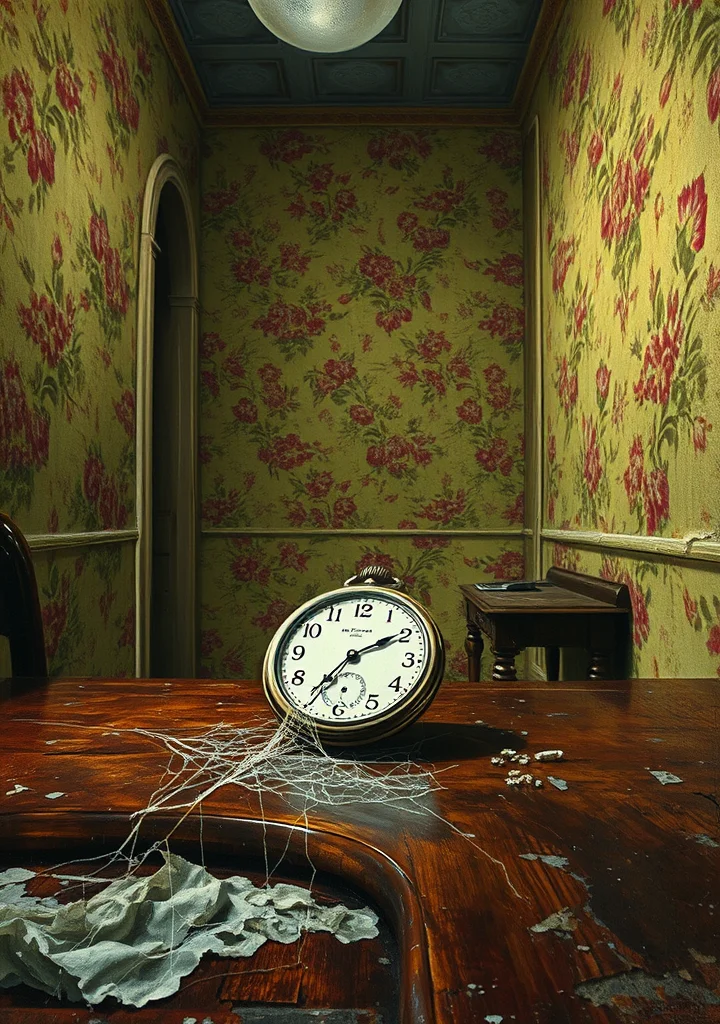
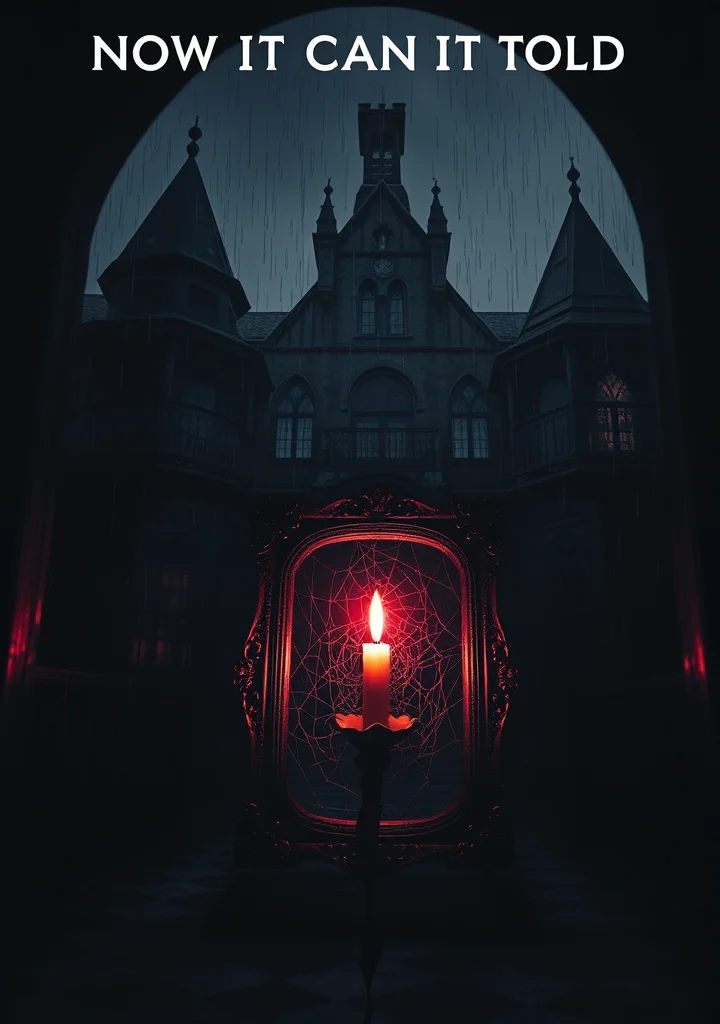
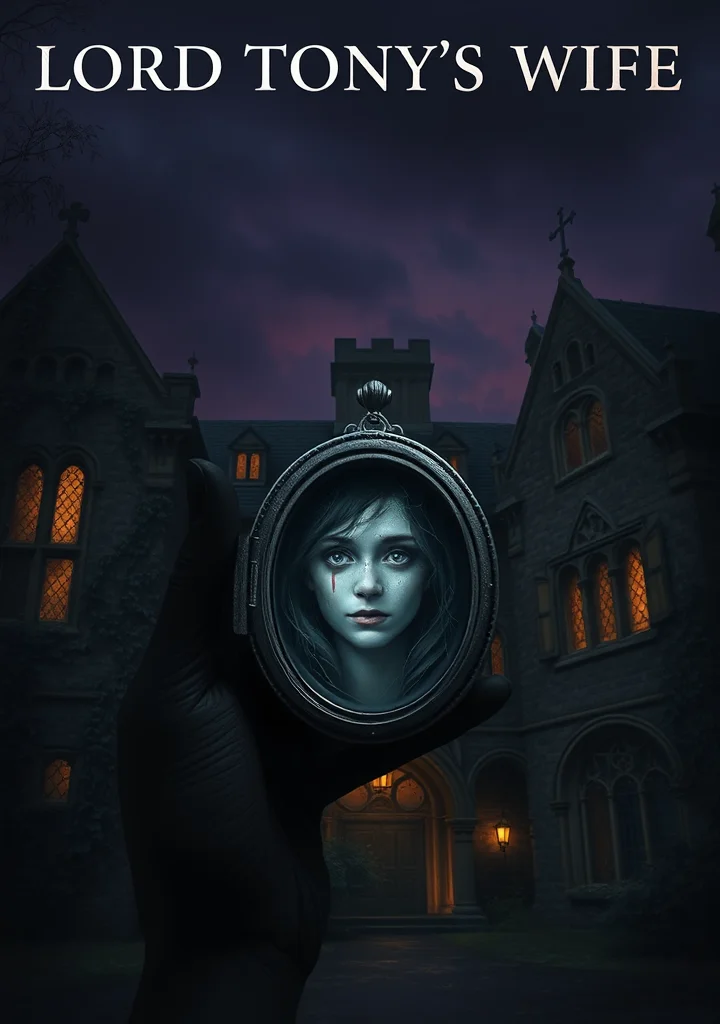
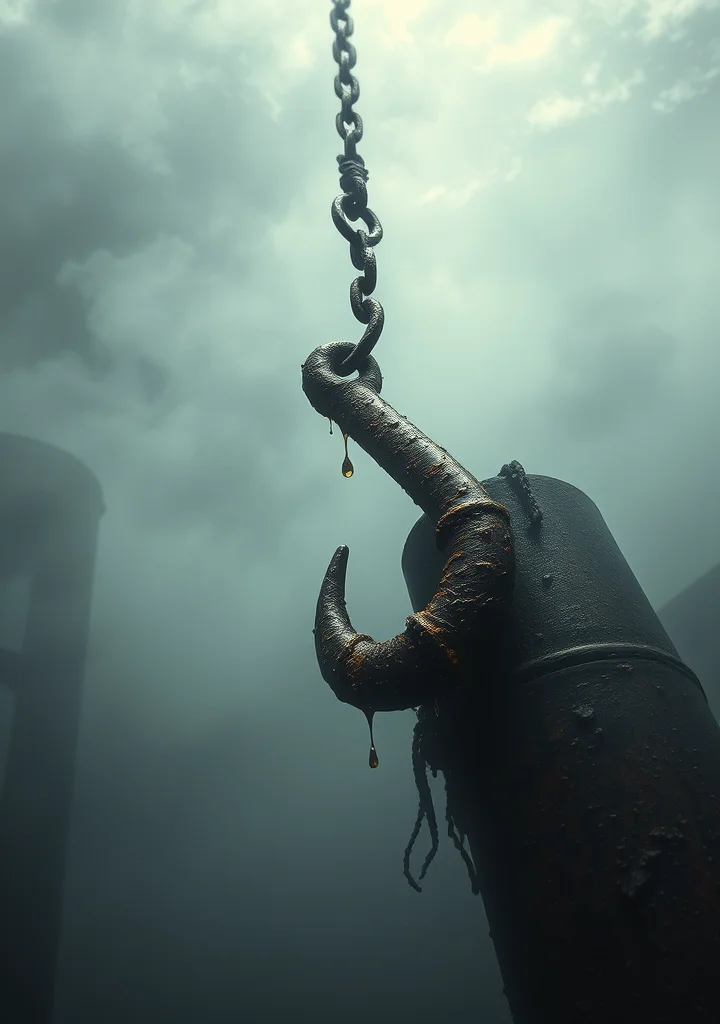
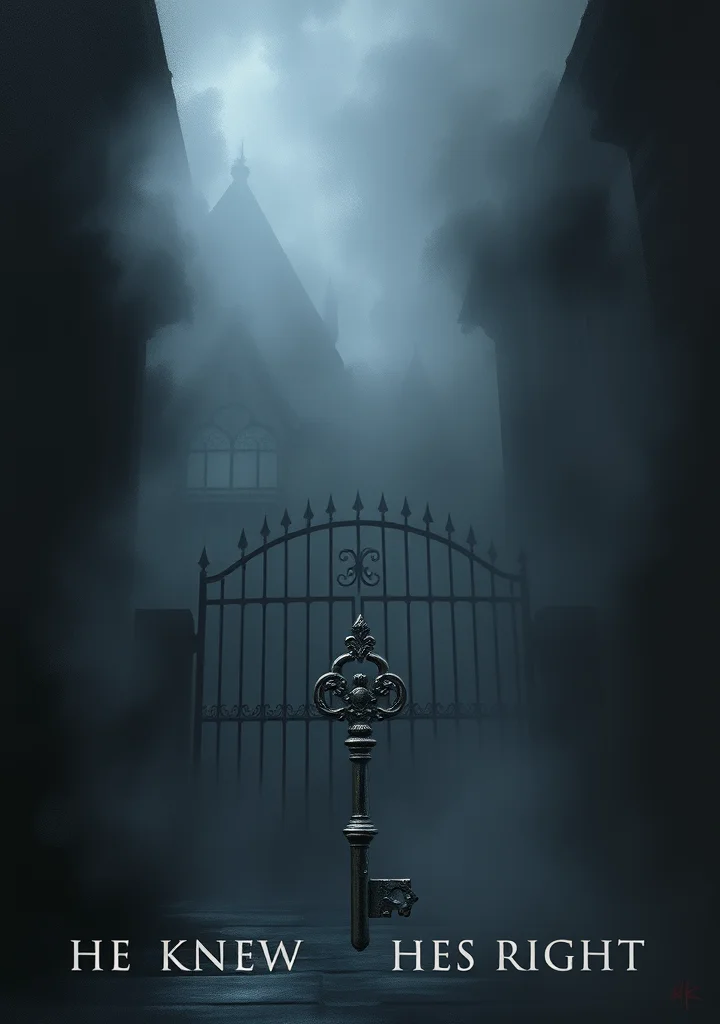
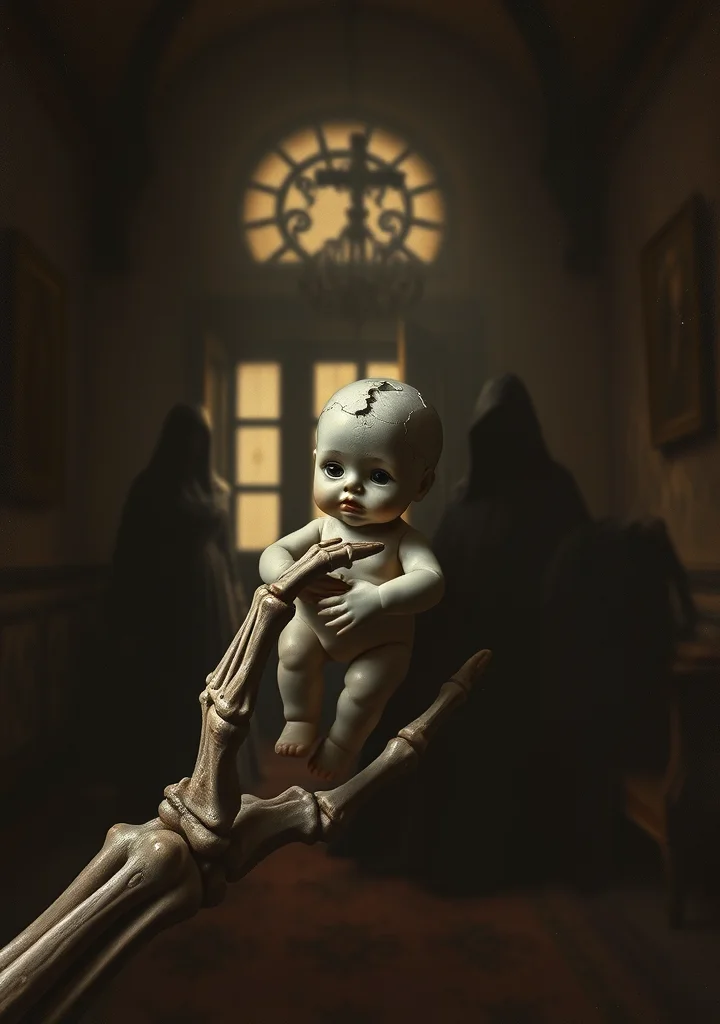
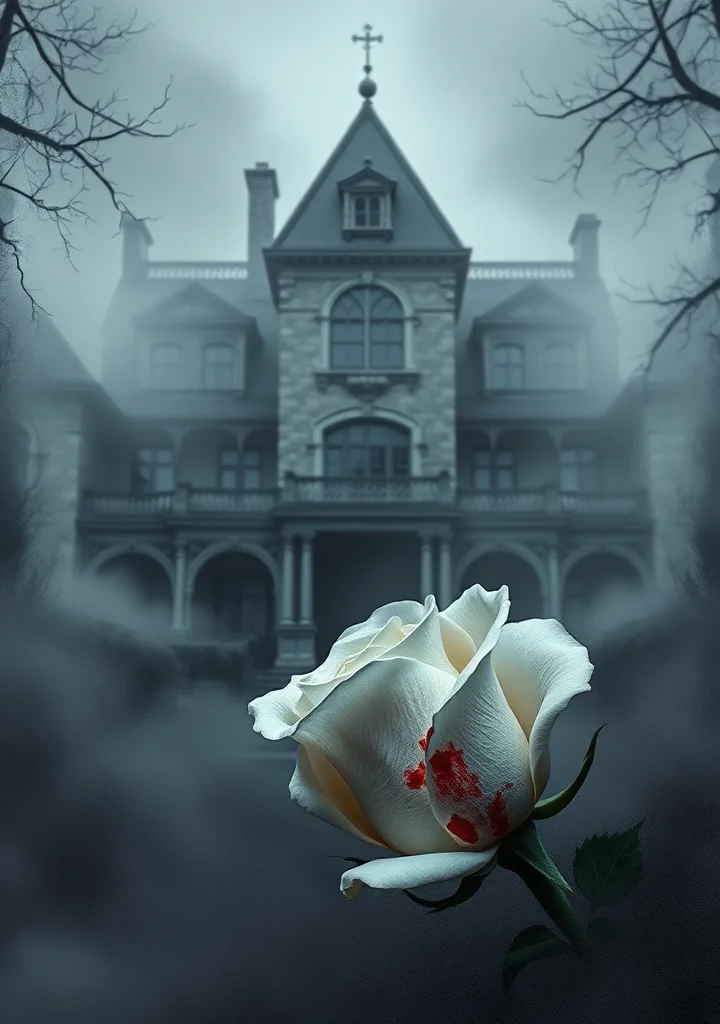
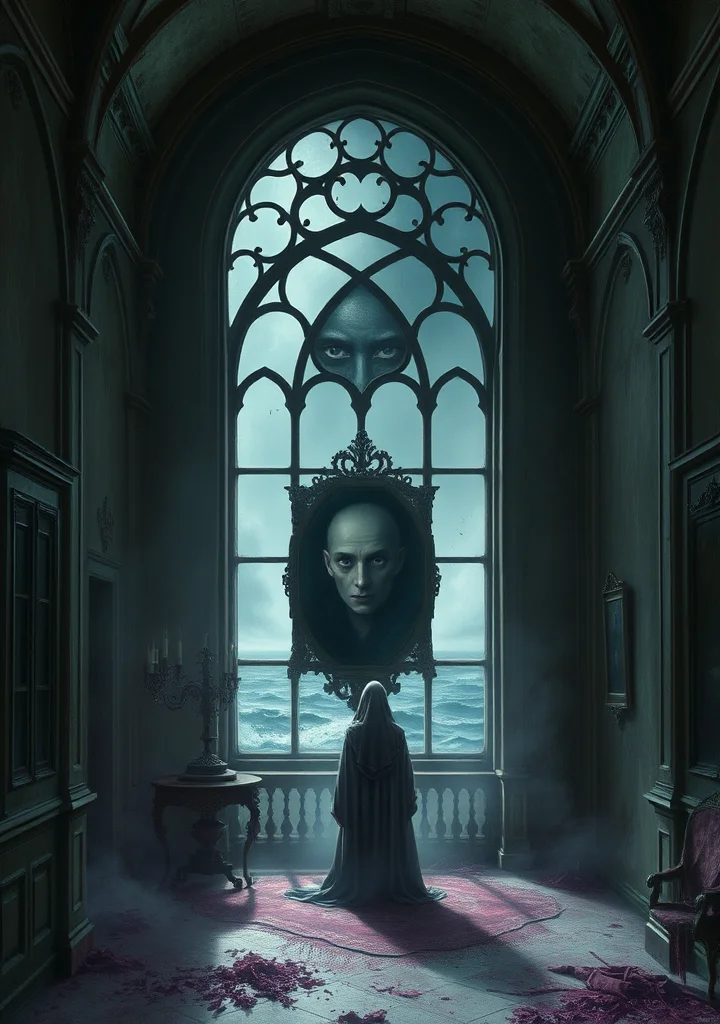
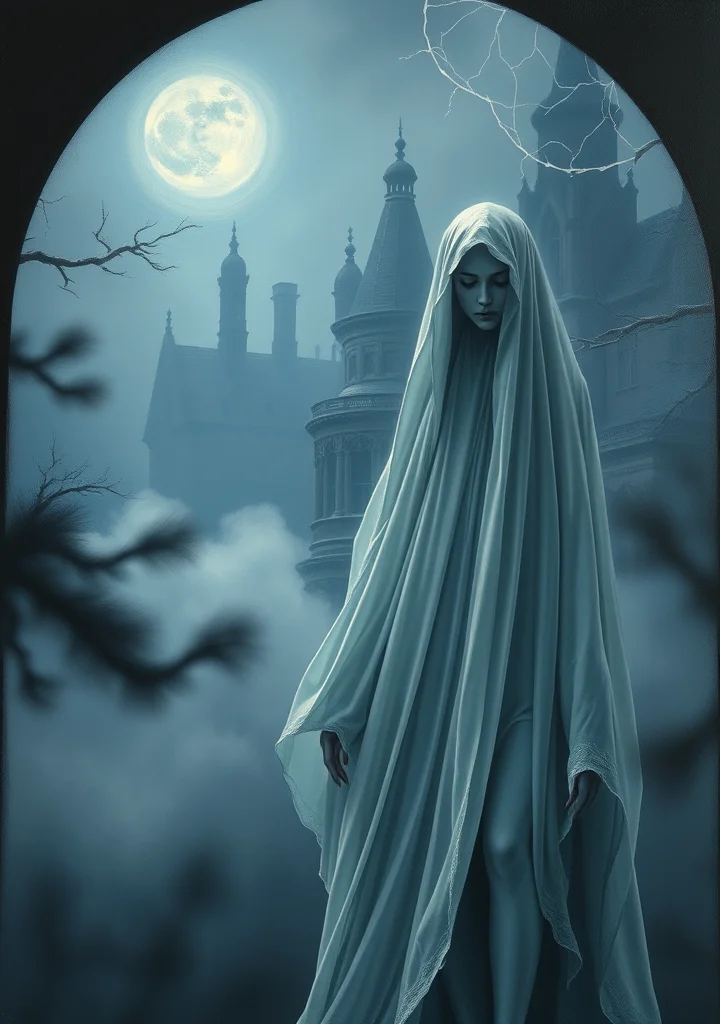
The crumbling Ralestone manor clings to the cliffs like a barnacle to a drowned wreck, perpetually shadowed by the bruised grey sky of the Northumbria coast. Within its damp stone walls, a legacy of misfortune doesn't merely linger, it *breathes*. Old Man Ralestone, they say, made a pact with the sea – trading generations of his family's prosperity for dominion over the treacherous currents. Now, his descendants inherit not wealth, but a creeping dread, a sense of being watched by something ancient and cold rising from the foam. The estate is choked with gnarled hawthorn and choked whispers of drowned sailors. Every high tide seems to drag a fragment of Ralestone's past – a chipped porcelain doll, a rusted fishing hook, a fragment of bone – to the shore. The manor house itself feels less like a dwelling and more like a lunging beast, its corridors twisting into labyrinthine shadows. A chilling, salt-laced wind howls through the empty hearths, carrying the echoes of broken promises and the scent of decay. Each room holds a portrait of a Ralestone, their faces gaunt and haunted, their eyes holding the same haunted recognition of a slow, inevitable sinking into the sea's grasp. The luck isn’t about winning or losing fortunes, but surviving until the next storm washes away another piece of the family’s sanity, leaving only the stones to remember their names. The very air is thick with the weight of a heritage that is not merely cursed, but *claimed* by the ocean’s hungry embrace.


Copyright: Public Domain
This license allows anyone to use your story for any purpose, including printing, selling, or adapting it into a film freely.
Recommended for you
72 Part
The air hangs thick with the scent of decay and damp earth within the crumbling chateau of Clerambault. Here, amidst shadowed corridors and portraits whose eyes seem to follow your every move, a man named Jean, haunted by a past he cannot escape, wages a silent war against his own fracturing mind. The estate itself is a character—a labyrinthine monument to a noble lineage crumbling under the weight of inherited madness and suffocating isolation. Rolland weaves a suffocating atmosphere of psychological torment, where the boundaries between reality and delusion blur with each echoing footstep. Jean's descent is not marked by dramatic outbursts, but by a creeping, insidious unraveling—a quiet rot consuming him from within. The oppressive weight of family history, the suffocating expectations of his ancestral home, and the insidious whispers of his own internal demons create a sense of dread that clings to the reader like a shroud. Sunlight rarely penetrates the overgrown gardens or the dust-veiled windows, lending the narrative a perpetual twilight. Every creaking floorboard, every rustle of leaves, is imbued with a sinister significance. The true horror isn’t found in specters or ghouls, but in the slow, agonizing disintegration of a man’s sanity, witnessed through the fractured lens of his own unreliable perception. It is a story steeped in the melancholic beauty of ruin, a haunting meditation on the fragility of the self, and the suffocating power of memory.
40 Part
Dust motes dance in the stagnant air of Welch Hall, clinging to the decay like Spanish moss to cypress. The scent of rot and resentment hangs heavy, thicker than the humid Carolina night. A lineage steeped in privilege, brittle with pride, fractures under the weight of a secret – a truth buried in the graveyard beyond the fields, where the bones of the disenfranchised whisper against the stones. This is a story not of ghosts, but of *presences* – the suffocating weight of a past that refuses to stay buried, leaching into the present. The narrative coils tight as a noose around the neck of a dying aristocracy, each chapter a slow unraveling of composure and the cold, calculating logic of vengeance. Shadows stretch long from the grand columns, obscuring the faces of those who claim ownership of the land, while whispers of rebellion stir in the cabins beyond the manicured lawns. It’s a darkness born not of the supernatural, but of the human heart, festering in the humid heat. The air itself feels complicit, a suffocating blanket woven with the silken threads of deception and the coarse fibers of simmering rage. Every rustle of leaves, every crack of a floorboard, echoes with the unspoken accusations of generations. The narrative doesn't simply unfold; it *bleeds* into the landscape, staining the very soil with the crimson residue of injustice. A suffocating dread permeates every sun-drenched porch and darkened hallway, promising a reckoning steeped in the marrow of tradition itself.