Shifting September
  • 91
  • 0
  • 22
  • Read 91
  • 0
  • Part 22
Completed, First published Jun 15, 2026

The story opens onto a woman navigating the aftermath of a broken engagement, grappling with grief and the weight of politeness. As she dwells on the details of her former life, a fascination begins to emerge with actor Louis Partridge, an inexplicable connection that draws her into a world of “shifting”—a process of transporting oneself to desired realities. Presented as a fictional story, the narrative traces a longing for connection and explores the boundaries between reality and escapism, fueled by social media trends and the solace found in shared interests. The excerpts hint at a search for belonging amidst bullying and heartbreak.
Copyright: All Rights Reserved
No person is allowed to use, redistribute, or modify your work in any form without your explicit permission.
Recommended for you

25 Part
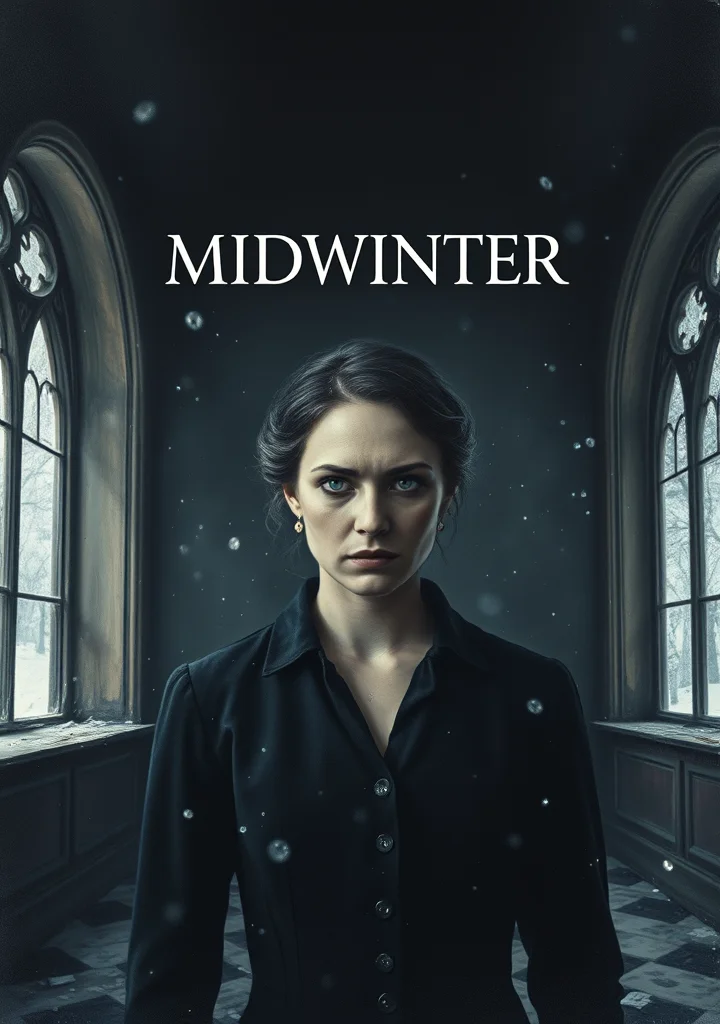
A creeping dread clings to the snow-swept moors, mirroring the chill that settles in the heart of the protagonist. Buchan’s *Midwinter* unfolds within a decaying manor house, isolated by blizzards and shadowed by ancient, malevolent histories. The narrative breathes with the icy air, each chapter a descent into fractured memory and suppressed guilt. Dust motes dance in the fractured light of dying embers, illuminating portraits of stern, unforgiving faces—ancestors who seem to watch, judge, and subtly influence the present. The estate itself is almost a character, its stone bones groaning under the weight of winter’s fury and the weight of secrets. Rooms whisper with echoes of past tragedies, the scent of damp earth and forgotten perfume clinging to velvet drapes. A pervasive sense of claustrophobia, not just physical but psychological, permeates the narrative. The protagonist is haunted by fragments of a stolen inheritance, a fractured legacy, and the specter of a betrayal that unravels with each falling snowflake. The novel doesn’t deliver grand horrors, but a suffocating atmosphere of unease—a slow, deliberate unraveling of sanity amidst a landscape that mirrors the fractured state of the soul. It’s a story steeped in the melancholic beauty of decay, where the true darkness resides not in the supernatural, but in the cold, brittle spaces within the human heart. The silence of the winter landscape is broken only by the howl of the wind, and the whispers of a past determined to claim its due.
42 Part
A chilling wind sweeps across frozen plains, mirroring the fracturing of ideals within Emma Goldman’s heart. This is not a chronicle of revolution’s triumph, but a descent into the grey, suffocating disillusionment of a promised land turned prison. The narrative unfolds amidst snow-drifted streets and shadowed interiors, where the fervor of anarchist dreams curdles into the bitter taste of betrayal. Goldman’s prose bleeds with the icy resignation of witnessing a people’s hope strangled by bureaucracy and the suffocating weight of a new tyranny. The air hangs thick with the scent of coal smoke and unspoken despair, as Goldman navigates a landscape of whispered accusations and broken promises. Every encounter – a hushed conversation in a cramped apartment, a furtive exchange of pamphlets, a glimpse of hollow eyes in the breadline – is rendered in shades of muted grey, reflecting the erosion of conviction. It is a story of isolation, of the agonizing realization that even in the wake of upheaval, the chains of oppression merely shift their hold, tightening around the spirit. A haunting stillness pervades the pages, broken only by the distant howl of wolves and the echoing thud of boots on cobblestones, a constant reminder of the ever-present surveillance. The narrative doesn't offer explosions of rebellion, but the slow, agonizing freeze of a heart witnessing the birth of a new darkness, a darkness born not of malice, but of the crushing weight of unrealized expectation.