Statis & Pengkhianatan
  • 10
  • 0
  • 3
  • Read 10
  • 0
  • Part 3
Ongoing, First published May 23, 2026

The narrative traces a story of fractured relationships and emerging abilities. In chapters detailing raw emotional fallout, one character confronts betrayal as a partner’s secret correspondence comes to light. Elsewhere, a different character discovers an extraordinary capacity to manipulate energy, tested amidst danger and suspicion. These chapters also open onto a group of friends unsettled by a disturbing Ouija board session, where unexplained events and mounting fear threaten to overwhelm them. The story unfolds with a sense of suspense, hinting at deeper mysteries and escalating stakes.
Copyright: All Rights Reserved
No person is allowed to use, redistribute, or modify your work in any form without your explicit permission.
Recommended for you
40 Part
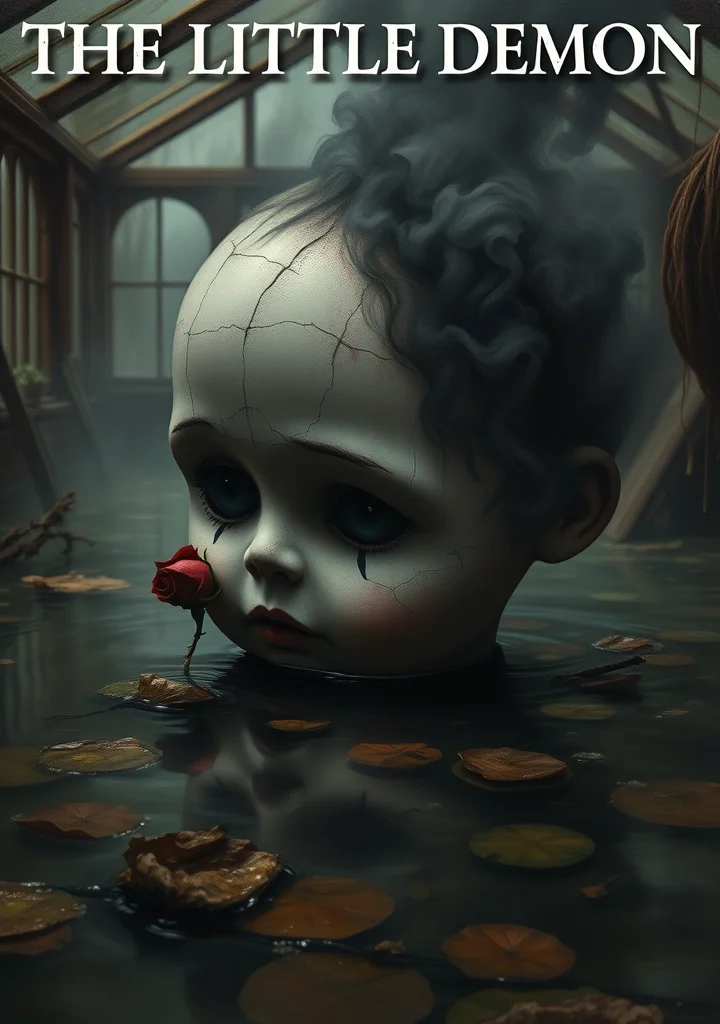
A creeping dread permeates the provincial air of this forgotten corner of Russia. The narrative clings to the suffocating heat of summer, to the stifling interiors of decaying estates, and the feverish imaginings of a boy named Mitya. He is not merely mischievous, but possessed—a vessel for something ancient and malevolent that stirs within the stagnant pools of his family’s decline. The story unfolds through the distorted lens of a local schoolmaster, obsessed with cataloging Mitya’s every transgression, every whispered blasphemy. But it is not Mitya's actions that haunt, but the suffocating weight of his inevitability. The boy’s ‘demonism’ isn't a mere childish outburst; it's a rot blooming from the heart of the land itself. Each chapter descends further into a mire of suspicion, where the boundary between reality and hallucination dissolves in the oppressive humidity. Whispers of pagan rites, the stench of decaying flowers, and the echoing silences of abandoned churches weave a tapestry of decay. The true horror isn't the boy’s monstrous acts, but the realization that the rot is not contained within him—it’s woven into the very fabric of their lives, a slow, insidious possession of the soul. The narrative is suffocated by the scent of dust, the weight of unsaid things, and the suffocating knowledge that something terrible has been unleashed, not upon the world, but *within* it. The atmosphere is one of unbearable, creeping stagnation—a world where even sunlight feels like a suffocating weight.
10 Part
A creeping twilight descends upon young Emil Sinclair as he’s drawn into the magnetic orbit of Max Demian, a figure both beautiful and terrifyingly unbound. Hesse’s narrative isn’t merely a coming-of-age, but a descent into shadowed chambers of the self, where inherited morality fractures against the raw stone of instinct. The air thickens with the scent of incense and forbidden knowledge as Sinclair’s world fractures – the rigid structure of his upbringing, the suffocating piety of his mother, all crumble beneath Demian’s gaze. Every encounter is layered with a premonition of doom, a cold wind whistling through the hollows of Sinclair’s nascent soul. The novel breathes with the claustrophobia of a gilded cage, the oppressive weight of societal expectations pressing down like lead. Dreams twist into grotesque allegories, mirroring Sinclair’s inner turmoil with unsettling clarity. Ancient symbols, unearthed from the loam of forgotten myths, become obsessions, fueling a desperate quest for liberation. The narrative is haunted by the specter of a fractured duality, a constant blurring of light and shadow, innocence and corruption. Sinclair’s journey isn’t towards enlightenment, but towards a harrowing reckoning with the darkness within—a darkness that threatens to consume him entirely as he spirals towards the inevitable, brutal severing of ties with the world he once knew. The final revelation is less a triumph, more a chilling echo in the vast, empty cathedral of his own becoming.