Thea's Winter Echoes
  • 18
  • 0
  • 2
  • Read 18
  • 0
  • Part 2
Completed, First published Jun 07, 2026

The narrative traces a shadowy figure known only as ‘Thea,’ actively monitored by SHIELD yet constantly evading capture. Simultaneously, the story opens onto a brutal family tragedy involving Howard Stark and his daughters, Emilia and Mia, shattered by violence and leaving Emilia adrift. These events intersect with the disturbing experimentation endured by a young girl, Mia, whose memories are erased and identity fractured within a cold, sterile facility. Driven by a scientist’s ambition, Mia’s ordeal raises chilling questions about control and manipulation. The available chapters hint at a dark undercurrent of secrecy and betrayal.
Copyright: All Rights Reserved
No person is allowed to use, redistribute, or modify your work in any form without your explicit permission.
Recommended for you

74 Part
The air hangs thick with brine and decay, clinging to the damp stone of the Breton manor like a shroud. Germinie, a creature born of the shadows and the sea’s cold kiss, is less woman than phantom, tethered to the decaying life of the de Touars by a devotion steeped in bitterness and shadowed longing. Each chipped porcelain doll, each faded silk gown she tends to, breathes the rot of a forgotten grandeur. The manor itself is a labyrinth of echoing corridors, where dust motes dance in slivers of light revealing portraits of a lineage consumed by ennui and vice. A suffocating intimacy blossoms between Germinie and the aged, invalid aristocrat she serves, an intimacy born not of passion but of shared isolation, of bodies failing within the confines of the crumbling estate. The narrative unravels as a slow poison, seeping into the foundations of the house and the hearts of those within. A feverish, suffocating atmosphere of obligation, resentment, and the morbid beauty of decay permeates every page, leaving the reader adrift in a perpetual twilight of unspoken desires and the suffocating weight of unfulfilled lives. The scent of lavender and mold clings to everything, mirroring the slow unraveling of Germinie’s spirit—a haunting presence woven into the very fabric of the decaying manor, a specter bound to the fate of a dying dynasty. The narrative breathes with the rhythm of the sea against the cliffs, a constant, mournful ebb and flow mirroring the decline of both body and mind.
52 Part
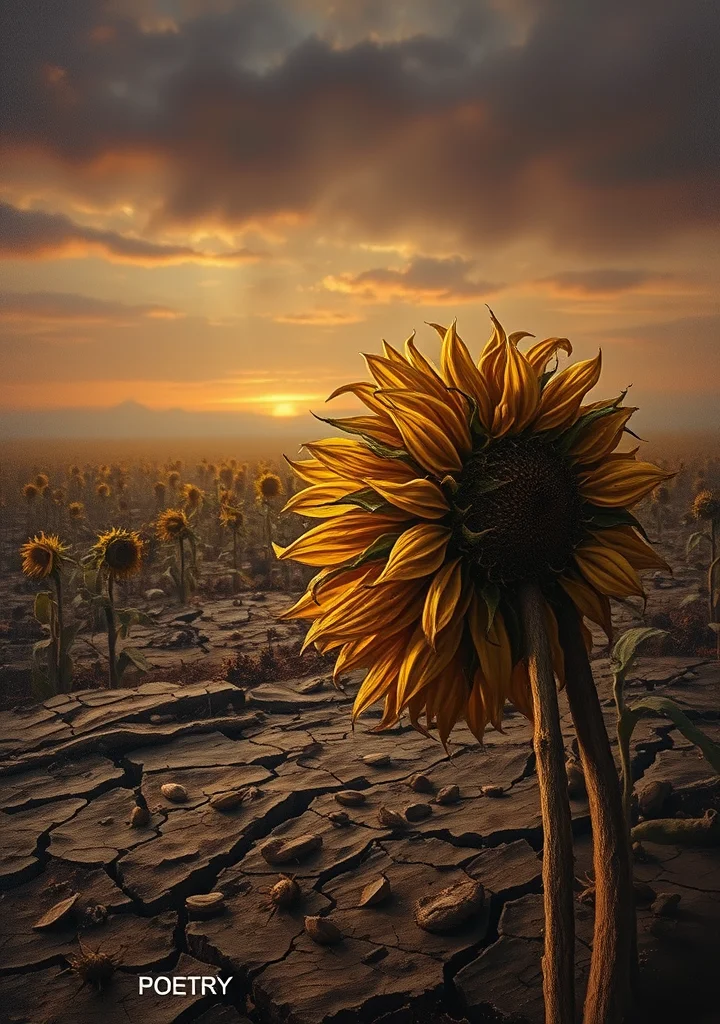
A creeping dread clings to the shadowed orchards and crumbling khutors of Shevchenko’s *Poetry*. It isn’t a tale of grand horrors, but of a slow rot consuming the soul, witnessed through eyes haunted by the vast, indifferent steppes. The narrative unfolds like a fever dream—fragmented, lyrical, and steeped in the melancholic scent of damp earth and decaying sunflowers. Each verse bleeds into the next, mirroring the blurring of memory and reality within the minds of those exiled, those bound to the land by chains of sorrow and longing. The air hangs thick with the weight of unfulfilled desires and the ghosts of Cossack glories, rendered brittle by years of oppression. Walls whisper with the lamentations of women left behind, and the wind carries the cries of children lost to famine. A sense of impending doom isn’t delivered through spectacle, but through the relentless accumulation of small, brutal details—a chipped icon in a deserted chapel, a raven’s feather found clutched in a dead hand, the taste of iron in the well water. The prose itself is a landscape of fractured beauty—sun-drenched fields concealing graves, a sky bruised purple with regret. It’s a narrative not of what *happens*, but of what *remains*—the lingering echo of a broken heart, the dust of forgotten villages, the chilling realization that even in oblivion, the land remembers everything, and judges all. A suffocating stillness permeates the work, broken only by the distant howl of wolves and the rustling of secrets in the wheat fields. The story doesn’t end; it simply dissolves into the horizon, leaving you adrift in a sea of unending grey.