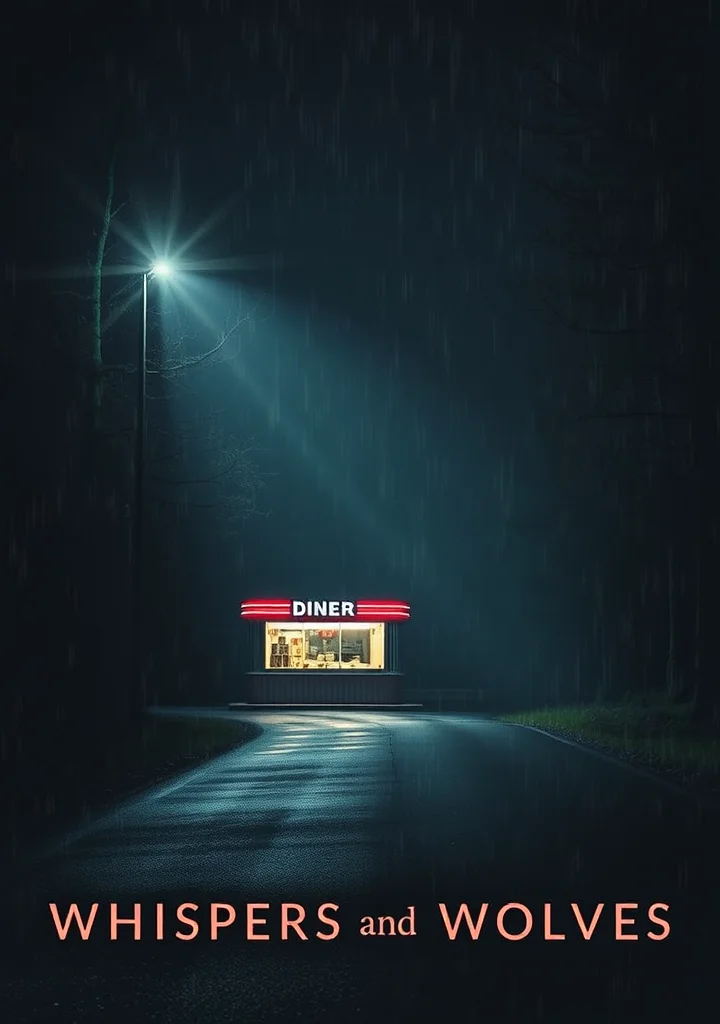

Whispers and Wolves
  • 4
  • 0
  • 1
  • Read 4
  • 0
  • Part 1
Completed, First published Jun 15, 2026

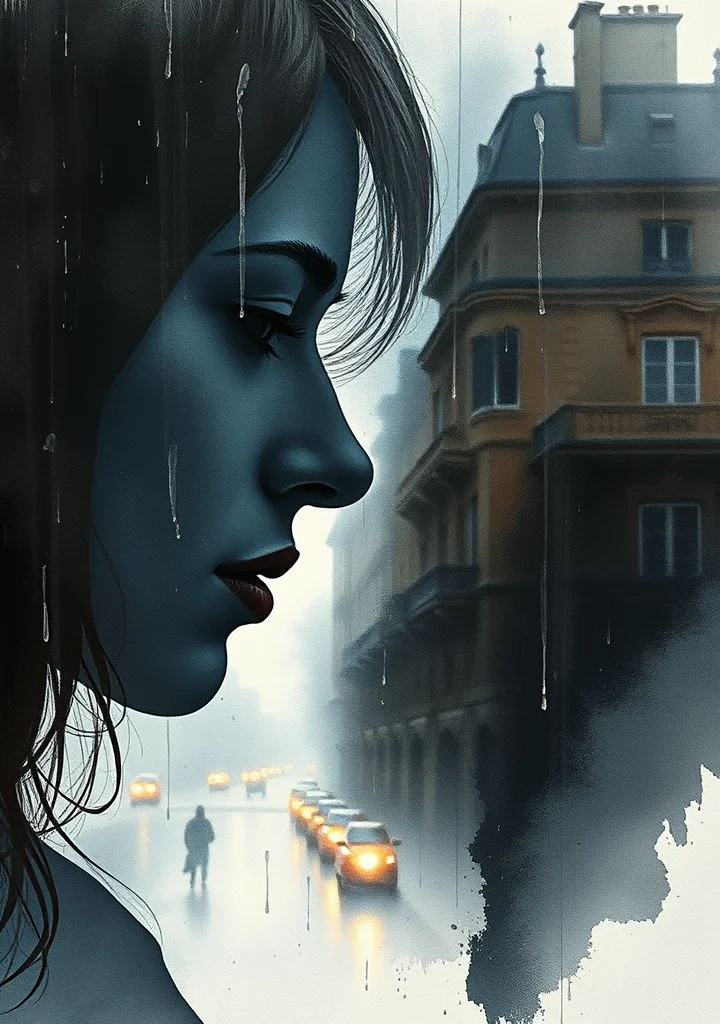
This novel unfolds a world shadowed by supernatural conflict and hidden identities. The narrative traces Emerson’s struggle to manage a new werewolf crisis in Beacon Hills, even as she navigates a tense alliance with Derek Hale. Interwoven with this, a separate story unfolds in a rain-soaked diner, revealing a woman consumed by grief and haunted by a lost relationship. Meanwhile, Emerson Avery’s past comes into focus: a gifted athlete concealing a dangerous lineage and a life spent evading a relentless pursuer. The story hints at a desperate attempt to find safety in Beacon Hills, but the shadows of her past—and a monstrous hunter—close in.
Copyright: All Rights Reserved
No person is allowed to use, redistribute, or modify your work in any form without your explicit permission.
Recommended for you
117 Part
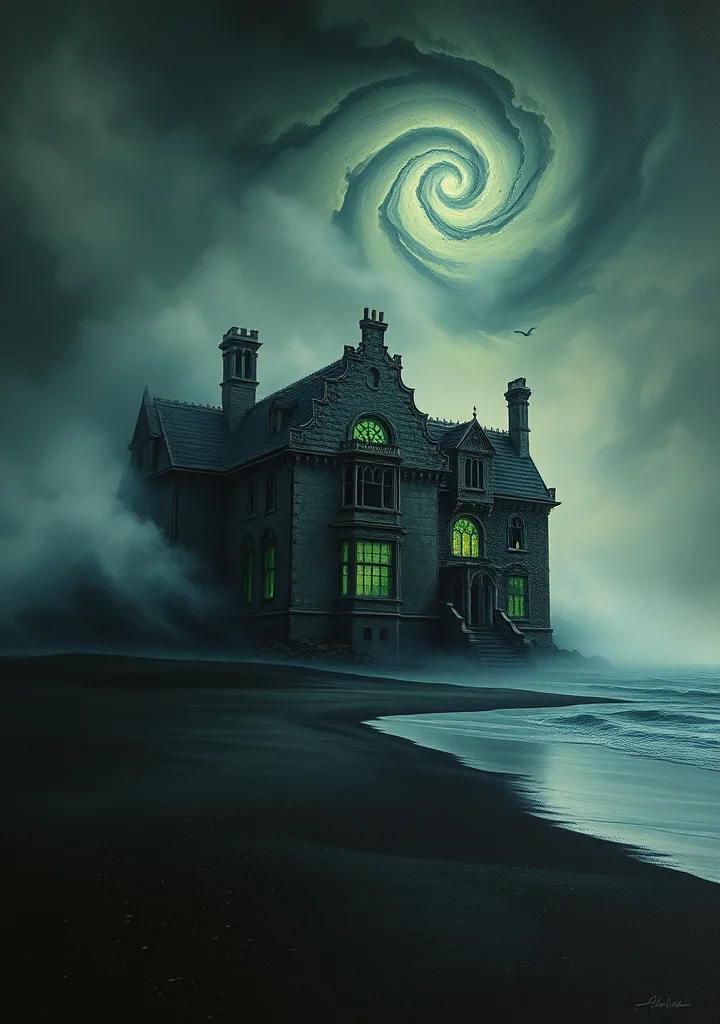
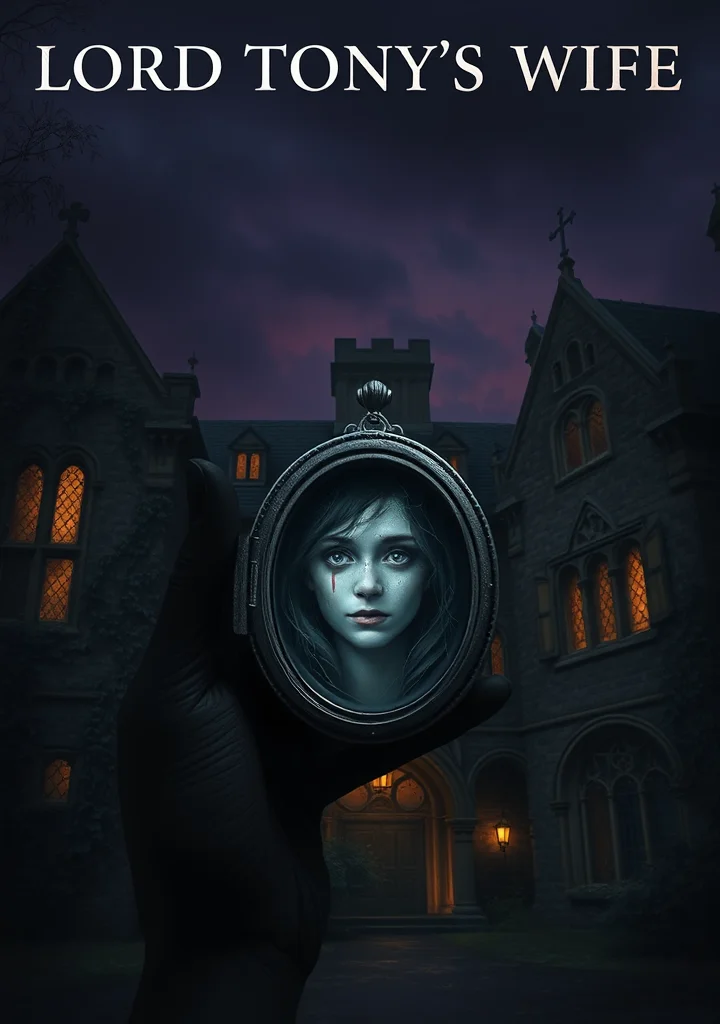
A perpetual twilight clings to Blackwood Grange, mirroring the shadowed corners of Lady Eleanor’s heart. Married to the infamous Lord Tony, a man whispered to have dealings with shadows and debts owed in crimson, she finds herself a gilded cage within his ancestral estate. The air hangs thick with the scent of decay – not just of crumbling stone and overgrown gardens, but of promises broken and lives forfeit. Each echoing footstep in the vast, labyrinthine halls hints at a history of betrayal, while the portraits lining the gallery seem to watch Eleanor’s descent into a chilling awareness of her husband’s true nature. A creeping dread permeates every room, woven into the very fabric of the house; a dread born not of ghostly apparitions, but of the suffocating weight of secrets held too long. The moorland surrounding Blackwood Grange breathes with a cold, hungry wind, carrying fragments of rumors and the cries of those lost to Lord Tony’s machinations. Eleanor is trapped within a suffocating elegance, where every smile feels like a calculated threat and every shadow a potential witness to her unraveling. The narrative unfolds like a slow poison, drawing the reader into a suffocating atmosphere of suspicion, where love is measured in bartered favors and loyalty is purchased with blood. The very stones of Blackwood Grange seem to weep with the despair of those who dared to cross Lord Tony’s path, and Eleanor’s fate hangs precariously balanced upon a single, unraveling thread of hope.
6 Part
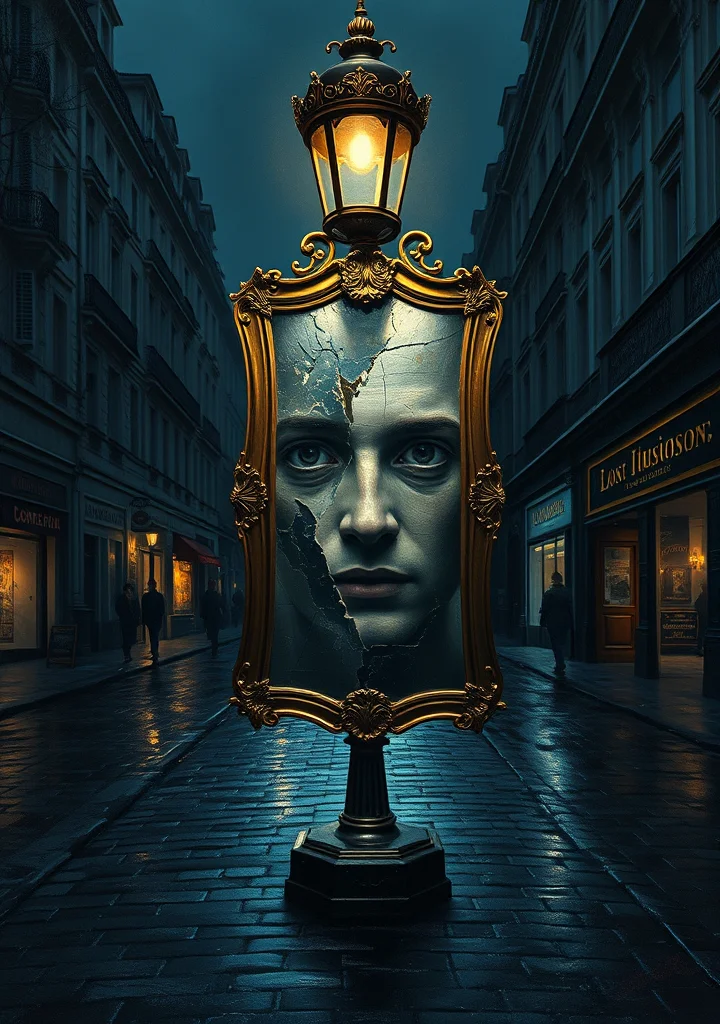
Dust motes dance in the gaslight of provincial theaters, clinging to the velvet drapes and the tarnished gilt of crumbling grandeur. A fever dream of ambition, *Lost Illusions* unfolds in a Paris steeped in shadow, where the scent of stale perfume mingles with the bitterness of thwarted dreams. The novel breathes with the stifled sighs of Lucien de Rubempré, a provincial editor cast adrift in a sea of cynical brilliance. Every cobbled street echoes with whispered betrayals, every drawing room glitters with the venom of social climbing. The air thickens with the rot of compromised ideals; a suffocating perfume of decaying morality. It’s a city of mirrors, reflecting not truth but the grotesque distortions of power. The narrative clings to you like a damp shroud, revealing a world where talent is bartered for influence, and innocence is devoured by the ravenous maw of the press. The characters move through perpetual twilight, haunted by the ghosts of their own making. Each revelation is a splinter of ice in the heart, each success a further descent into a labyrinth of disillusionment. The prose itself feels aged, brittle as parchment, stained with the ink of regret. It is a slow, insidious unraveling, a descent into the suffocating darkness where hope is extinguished, and only the hollow echoes of ambition remain. The final pages leave a residue of ash and despair, a chilling testament to the price of vanity and the corrosive nature of ambition.
33 Part
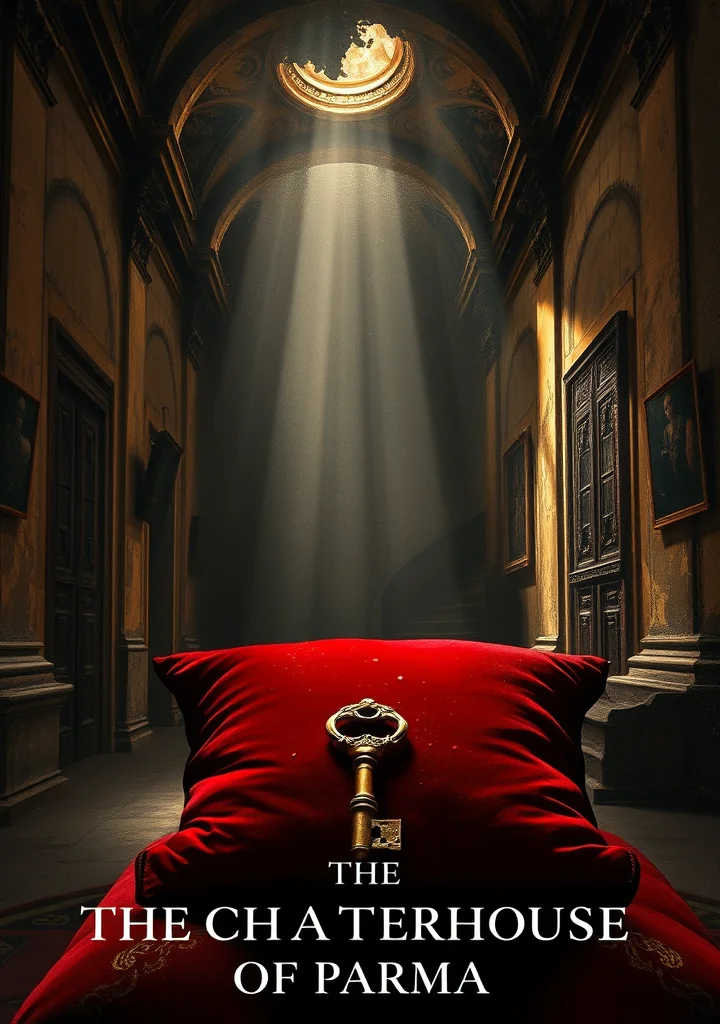
Dust motes dance in the cavernous halls of the Charterhouse, mirroring the fractured ambitions of the Lombard nobility within. Parma, a city choked by political machinations and simmering resentments, breathes a stifling air of decay. This is a story steeped in the scent of old stone and the rustle of silk concealing daggers. A young nobleman, torn between the fervor of revolutionary ideals and the suffocating grip of aristocratic expectation, finds himself adrift in a labyrinth of inherited debts, simmering passions, and the ghosts of a forgotten war. The narrative unfolds not as a burst of action, but as a slow erosion – a creeping dampness that seeps into the foundations of fortune and love. Each betrayal is a chipped tile in a mosaic of regret, each alliance forged in the shadows casts a lengthening pall over the characters’ fates. A feverish, almost claustrophobic obsession with gambling and ambition drives men to gamble away their lives, their legacies, their very souls. The air hangs heavy with the weight of unfulfilled desires, the stifled cries of a generation caught between the ancien régime and the storm of modernity. It is a world where the grandest gestures of heroism are undercut by the petty squabbles of ego, where the most ardent love is poisoned by the insidious tendrils of social constraint. The Charterhouse itself becomes a character – a decaying monument to ambition, a tomb for wasted potential, a haunting echo of a world on the brink of collapse. The reader is not merely told a story, but drawn into the suffocating, perfumed darkness of a city and a man consumed by his own self-destruction.
35 Part
The sea claws at the edges of a crumbling estate, a place where the land itself seems to breathe with a malign intelligence. Here, the narrator, adrift in a crumbling, isolated house, charts the slow creep of dread as the boundaries between the real and the spectral dissolve. It is not merely a haunting, but an invasion – not of ghosts, but of things *between* worlds, drawn to the house’s peculiar position between dimensions. The walls themselves weep with an unearthly moisture, mirroring the encroaching nightmares that bleed from the landscape. A suffocating, claustrophobic terror permeates the narrative. The house is not simply a location, but a prison constructed of shifting geometries and suffocating silence. Each room echoes with the residue of forgotten horrors, and the very foundations seem to buckle under the weight of unseen presences. Outside, the sea delivers not wreckage, but fragments of impossible geometries, whispering of cyclopean structures and blasphemous shapes lurking beneath the waves. The air hangs thick with the scent of brine and decay, punctuated by the rasping of unseen claws on stone. It’s a descent into the abyss, not of madness, but of cosmic indifference. The narrator’s sanity frays as the house reveals its true purpose: a nexus point for horrors beyond human comprehension, a place where the veil between realities thins to a gossamer thread, and the darkness beyond stares back with cold, ancient eyes. A suffocating despair settles in, as the realization dawns that escape is not a matter of distance, but of oblivion.