
Point Counter Point
  • 557
  • 0
  • 38
  • Read 557
  • 0
  • Part 38
Completed, First published Mar 02, 2026

The chill of sterile observation permeates every page. Huxley constructs a labyrinth of mirrored anxieties, where the precision of scientific dissection clashes with the feverish pulse of human desire. London becomes a clinical theatre, its fog-veiled streets echoing with the fractured voices of those dissected by intellect and driven to the brink of madness. Each chapter, a meticulously charted incision into the body politic and the wounded soul. The narrative doesn’t flow, it *calculates*, charting the cold distances between lovers, doctors, and patients – all adrift in a sea of grey routine. A suffocating stillness clings to the prose, the scent of disinfectant mixing with the bitter tang of unfulfilled longing. The air thrums with the mechanical rhythm of a heart monitor, a constant reminder of the fragility within, and the encroaching shadow of an emptiness that mirrors the city itself. It is a dissection of modern life, performed under gaslight, leaving the reader not with answers, but with the echoing ache of exposed nerve endings.
Copyright: Public Domain
This license allows anyone to use your story for any purpose, including printing, selling, or adapting it into a film freely.
Recommended for you
28 Part
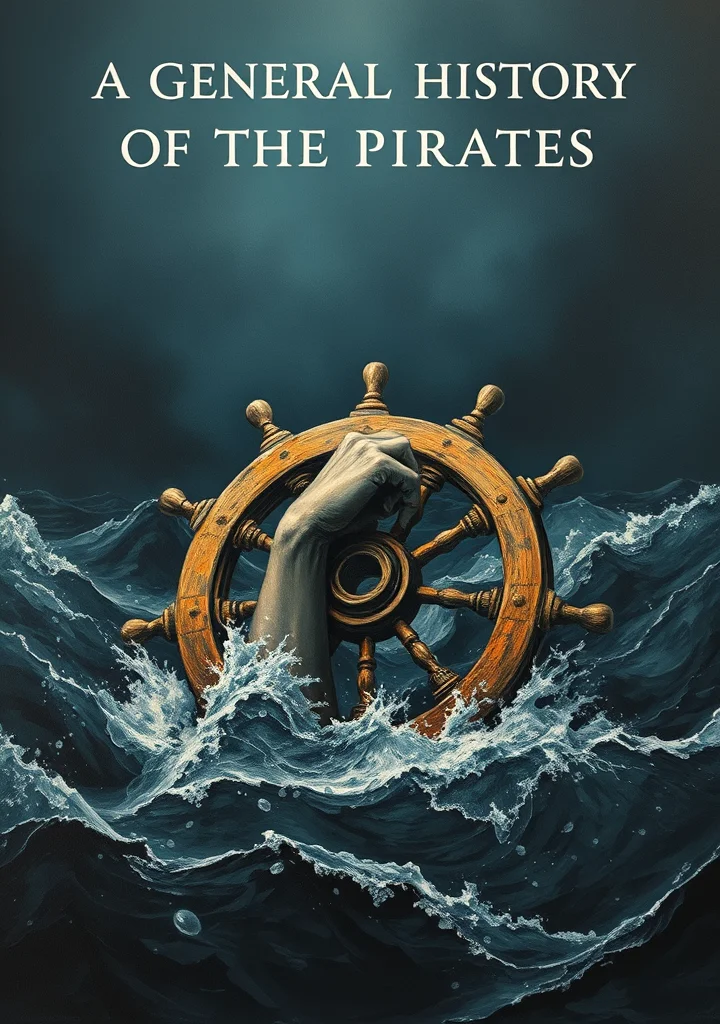
Salt-laced winds whisper through rigging stiff with brine, carrying tales not of glory, but of rot and ruin clinging to the splintered decks of forgotten vessels. This is not a chronicle of swashbuckling adventure, but a descent into the shadowed heart of the pirate world – a world where ambition is measured in the weight of gold and the slow drip of blood on stained canvas. Johnson’s history doesn’t celebrate, it *exposes*. Each captain is a phantom haunting the Caribbean, driven by avarice and shadowed by the ghosts of their victims. The pages reek of gunpowder and decay, filled with accounts of mutiny blossoming in the humid dark of ship holds, of marooned men gnawing on desperation, and the cold calculus of survival amongst men who’ve traded their souls for a share of plunder. It’s a history built on the fractured confessions of those who lived beyond the law, their voices echoing from the gallows and the fever-soaked jungles. But more than just recounting deeds, Johnson unveils the architecture of a pirate’s mind – the brutal pragmatism, the simmering paranoia, the terrifying ease with which they embraced violence as a currency. The sea itself becomes a character, a vast, indifferent judge presiding over a kingdom built on treachery and sustained by the desperate cries of men swallowed by the black maw of the ocean. It’s a history less of pirates *doing*, and more of them *becoming* – monstrous reflections in the storm-wracked mirror of a lawless age. A darkness clings to every name, every port, every captured vessel – a darkness that lingers long after the last cannon shot fades into the salt spray.
14 Part
A creeping fog clings to the London streets, mirroring the decay within the soul of Marius, a man thrust back into a world he barely remembers—a world fractured by the Great War and shadowed by a primal, creeping dread. Chesterton weaves a tale not of heroism or triumph, but of endurance, of a being *too* innocent for a world drowning in its own justifications. The narrative unfolds as a fragmented confession, delivered by a man unbound from time’s usual moorings, his perspective both alien and disturbingly familiar. The city itself becomes a labyrinth of echoing grief, each cobblestone slick with the residue of forgotten horrors. Marius’s return is not a resurrection, but a haunting—he exists as a witness to the brutal arithmetic of modern existence, a silent observer as humanity dismantles its own sanctity. The atmosphere is thick with the scent of coal smoke and something older, something akin to the earth’s slow, indifferent exhale. He is neither angel nor demon, but a stark, unsettling presence, forcing those he encounters to confront the uncomfortable truth of their own compromised faith. The novel doesn’t offer resolution, but a slow unraveling of certainty, a descent into the quiet desperation of a man who sees too clearly the scaffolding of a broken world—and the chilling beauty of its enduring, terrible logic. It is a study in the endurance of the spirit, but the spirit is not merely human, and its survival is not a comfort, but a persistent, unsettling echo in the ruins.