
-
Read 257
-
0
-
Part 19
Completed, First published Mar 02, 2026
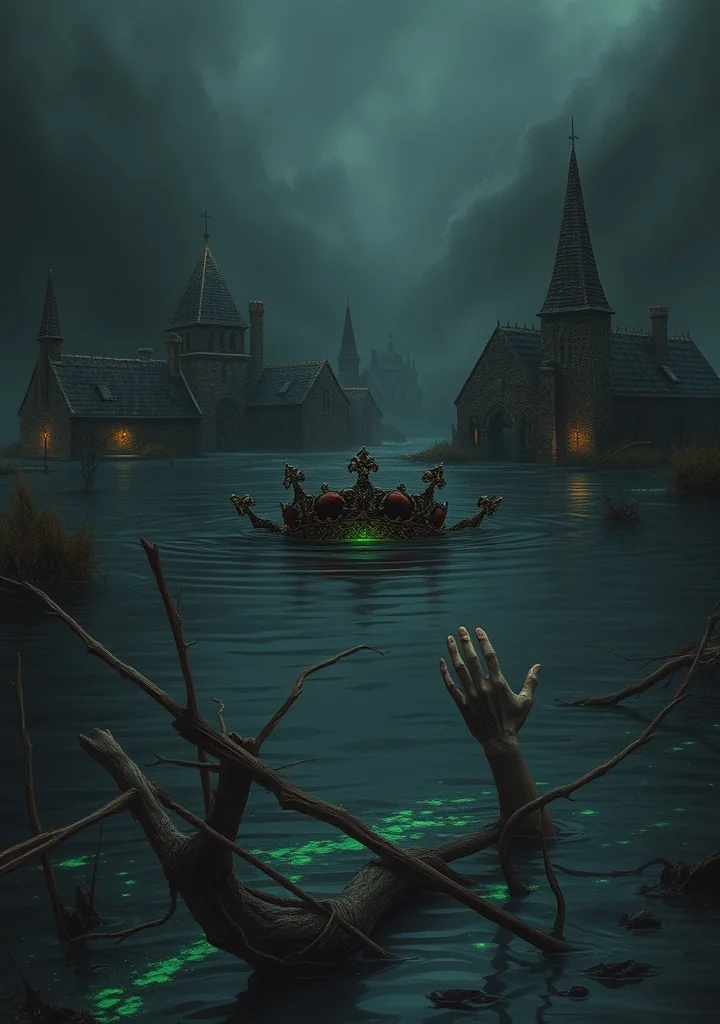
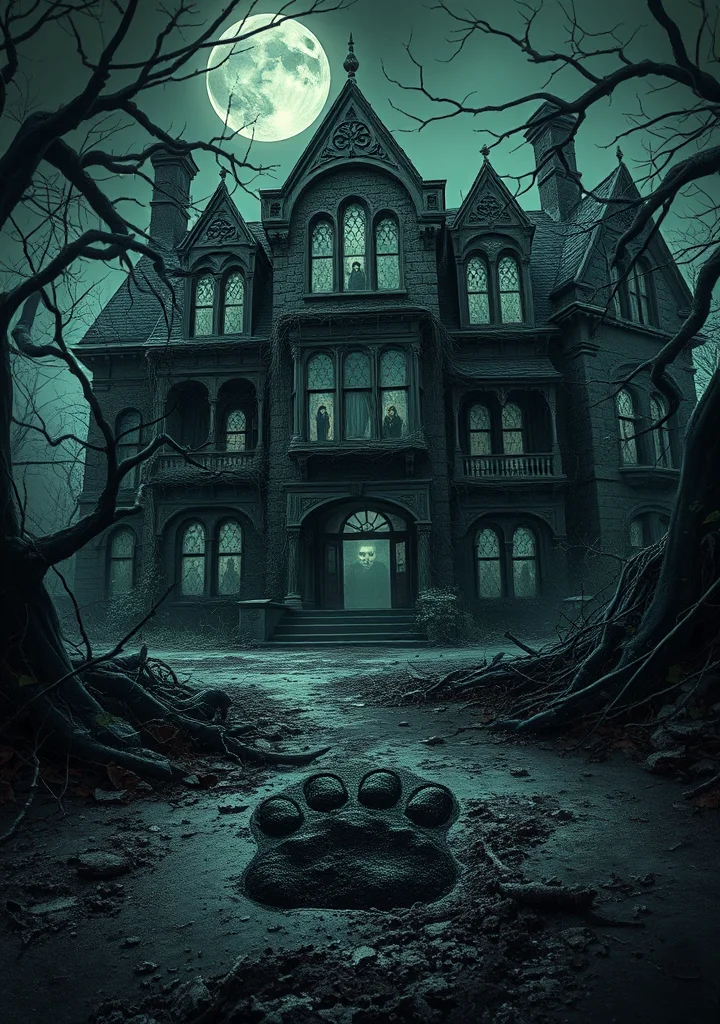
Dust motes dance in the perpetual twilight of a fractured mind. This is not a story of worlds visited, but of worlds *felt* – echoing chambers within the self where logic dissolves into a viscous, suffocating dream. The narrative clings to the periphery of reason, a slow erosion of certainty as the boundaries between consciousnesses blur. It breathes with the damp chill of forgotten attics, the scent of moth-eaten velvet and decaying philosophical texts.
Each chapter is a descent further into the labyrinthine corridors of James’s psyche, mirroring not a physical journey but the unraveling of perception itself. The prose is less a description of landscapes than a transcription of the tremors that run through them – a feverish, internal geography rendered in shades of gray.
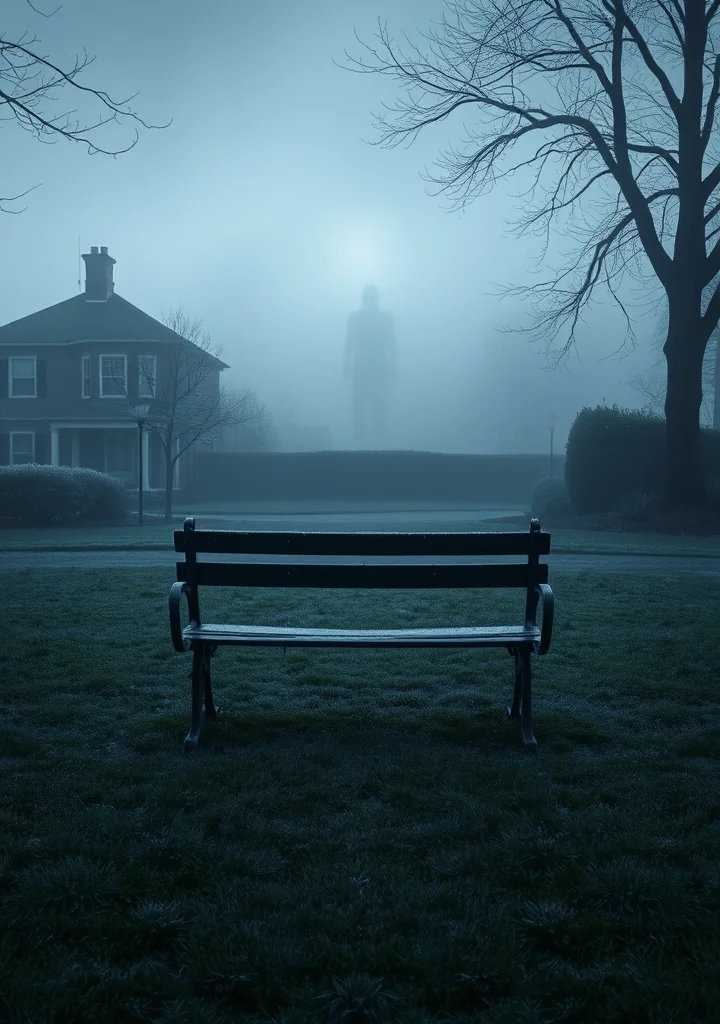
Expect a creeping unease, the sensation of being watched by fragments of your own fractured soul. The universe here is not vast and indifferent, but intimately, terrifyingly *plural*. It’s a claustrophobic infinity, where every potential self whispers from the shadowed corners of a single, collapsing consciousness. A slow burn of dread that doesn’t explode, but seeps into the marrow, leaving you questioning the solidity of your own reality long after the final page is turned. The silence between the lines will be the loudest horror of all.
Copyright: Public Domain
This license allows anyone to use your story for any purpose, including printing, selling, or adapting it into a film freely.
This license allows anyone to use your story for any purpose, including printing, selling, or adapting it into a film freely.
More like this