
The Art of War
  • 424
  • 0
  • 13
  • Read 424
  • 0
  • Part 13
Completed, First published Mar 02, 2026

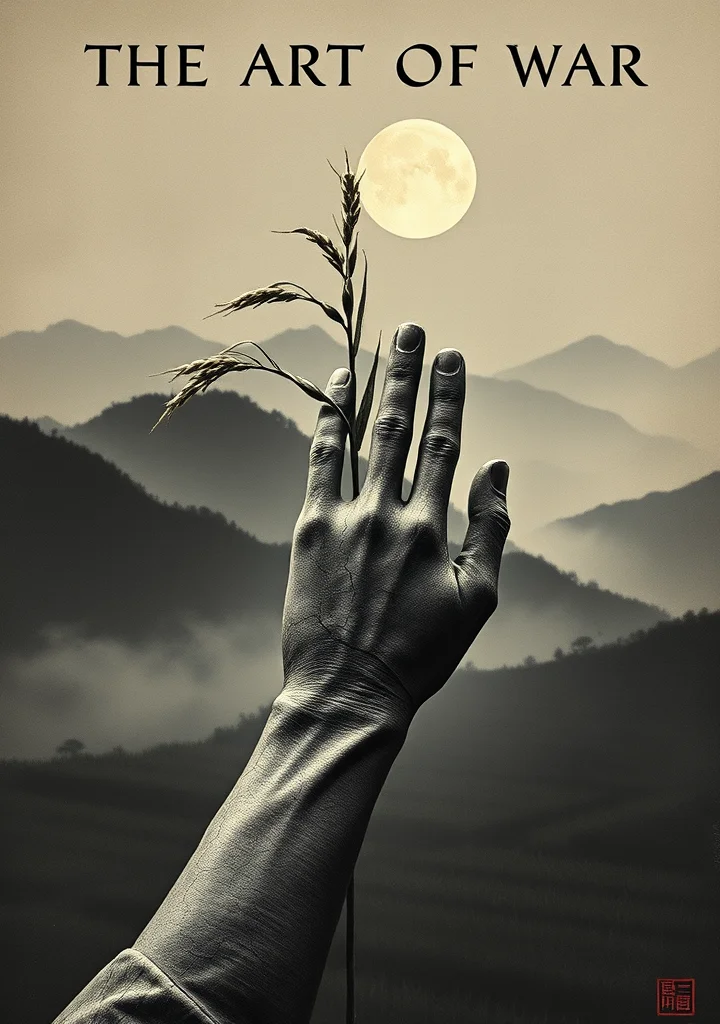
A chill wind whispers through the rice paddies, carrying not just the scent of damp earth but the ghosts of forgotten campaigns. This is a history not of kings, but of shadows – the lean, hungry specter of strategy itself. Each chapter unfolds like a crumbling scroll unearthed from a forgotten tomb, detailing not victories won in sunlit fields, but the slow, deliberate erosion of resolve. The very land feels complicit in the machinations detailed within, a silent, watchful accomplice to the unraveling of empires. The prose is not flowery, but brittle, like dried bone. It speaks of deception woven into the very fabric of existence, of armies melting into the mist as easily as a lover’s promise. The battlefields are not rendered in gore and glory, but in the suffocating stillness before the strike, the weight of consequence pressed into the hollows of the eyes. A creeping dread clings to the text, a sense of inevitability that seeps into the reader’s own calculations. It is a darkness not born of malice, but of cold, impartial logic. The scent of incense and blood clings to the pages, the echoes of drums and weeping women carried on the breeze. To read this is to walk among the specters of those who understood that war is not a blaze of glory, but a slow, deliberate extinguishing of light. It is a descent into the heart of strategy, where morality is a weakness and survival, a meticulous, agonizing art.
Copyright: Public Domain
This license allows anyone to use your story for any purpose, including printing, selling, or adapting it into a film freely.
Recommended for you

18 Part
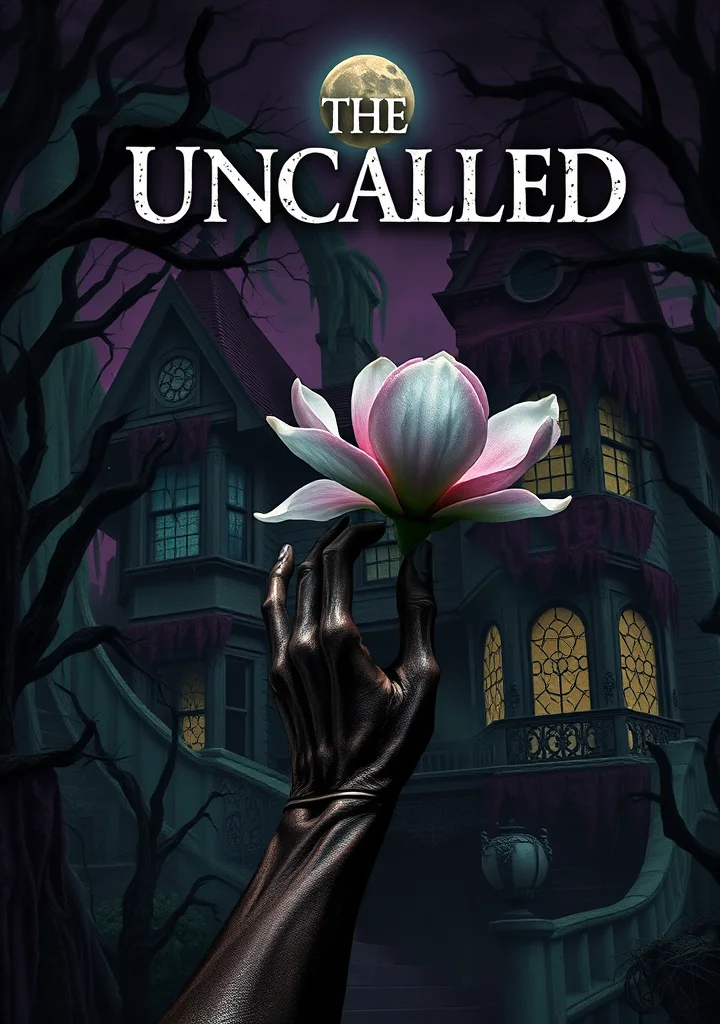
Dust hangs thick in the hollows of Havenwood, clinging to the shadowed eaves and rotting lace of the old Dunbar place. The air itself tastes of iron and regret, a perpetual twilight bleeding from the cypress swamps surrounding the crumbling mansion. Here, secrets aren’t whispered, they are *felt*—pressed against your skin like a cold hand, rising from the earth with the scent of magnolia and decay. Old Man Dunbar, they say, didn't die of fever, but of something *called* to him from the bayou, something hungry for the living breath of the house. His son, the narrator, returns to settle the estate, only to find Havenwood less a home and more a tomb, echoing with the phantom cries of those who vanished into the swamp’s embrace. Every floorboard groans with unseen footsteps, every window pane reflects a face not his own. The darkness isn't merely absence of light; it’s a presence—a suffocating weight of memory and malice. He discovers a lineage steeped in shadowed bargains, a pact made with the swamp's ancient heart. The further he delves into his father's final days, the more Havenwood seems to breathe with a life of its own, drawing him into the mire of its history. The uncalled come not as specters, but as whispers in the reeds, as faces in the water, as the slow, creeping rot that consumes all things left too long in the shadow of Havenwood. The swamp doesn’t just claim its victims; it *remembers* them, weaving their despair into the very fabric of the house, until the line between the living and the lost dissolves entirely.
23 Part
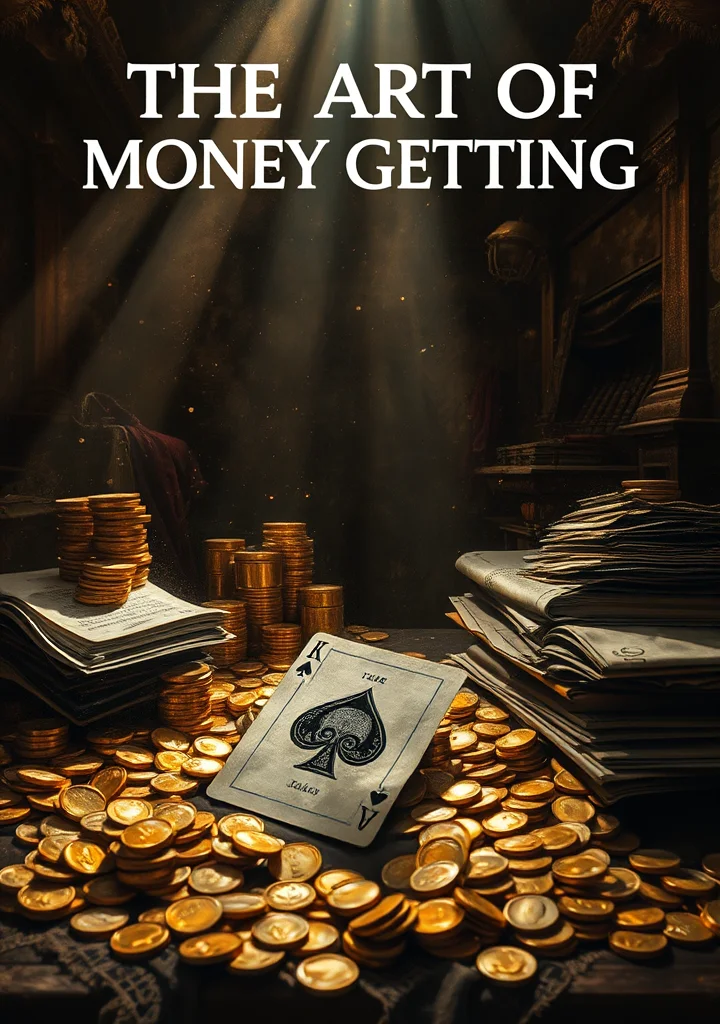
Dust motes dance in the perpetual twilight of a forgotten counting house, where the scent of old paper and decaying ambition clings to the shadowed walls. This is not a tale of simple acquisition, but a descent into the gilded rot of obsession. Barnum’s ‘Art’ unfolds as a fever dream of speculation—a labyrinthine city built on whispers and the crumbling facades of fortunes won and lost. Each chapter breathes with the chill of calculated risk, the suffocating velvet of confidence schemes, and the gnawing hunger for more than mere sustenance. The narrative is less a how-to manual and more a confession, scrawled in the blood of broken men and the hollow echoes of empty vaults. It’s a story of mirrors, reflecting not wealth, but the monstrous desires that feed it. A spectral ledger appears to haunt the pages, detailing not sums, but the slow unraveling of morality. The air thickens with the rustle of unseen contracts, the phantom touch of grasping hands, and the cold, clinical precision of a man dissecting the very heart of human need. Shadows lengthen as the author’s voice, a spectral auctioneer, relentlessly catalogues the currency of delusion. It is a grim spectacle, where every transaction leaves a residue of ash, and the final price paid is not in gold, but in the erosion of the soul itself. The book doesn’t promise riches—it promises a haunting, a glimpse into the abyss where avarice becomes a consuming god.
101 Part
A creeping fog clings to the Yorkshire moors, mirroring the secrets held within the hearts of five strangers bound together by chance and a shared, unsettling journey. The year is nineteen thirty-one, and the weight of England’s failing industries presses down on each companion like a suffocating shroud. But this is no mere tale of economic hardship. It’s a slow unraveling, a gothic pilgrimage across a landscape haunted by fractured memories and the ghosts of unspoken desires. Each character carries a fragment of a forgotten tragedy, their pasts woven into the very fabric of the crumbling pubs and desolate railway lines they traverse. The narrative breathes with a melancholic rhythm, echoing the rhythmic clatter of train wheels and the mournful cry of distant sheep. A sense of premonition hangs heavy – not of spectacular doom, but of quiet, insidious decay. The camaraderie feels brittle, laced with suspicion and a desperate need to understand the shadows lurking within their companions’ eyes. As the companions draw closer to London, the oppressive atmosphere intensifies, mirroring the city’s labyrinthine streets and the moral murk beneath its glittering façade. A creeping sense of inevitability settles upon them, hinting that their shared journey isn’t merely across England, but towards a reckoning with the darkness within themselves. It’s a story told in hushed tones, where the true horrors aren’t found in grand gestures, but in the silences between words and the chilling recognition of shared, unacknowledged grief.