
-
Read 766
-
0
-
Part 53
Completed, First published Mar 02, 2026
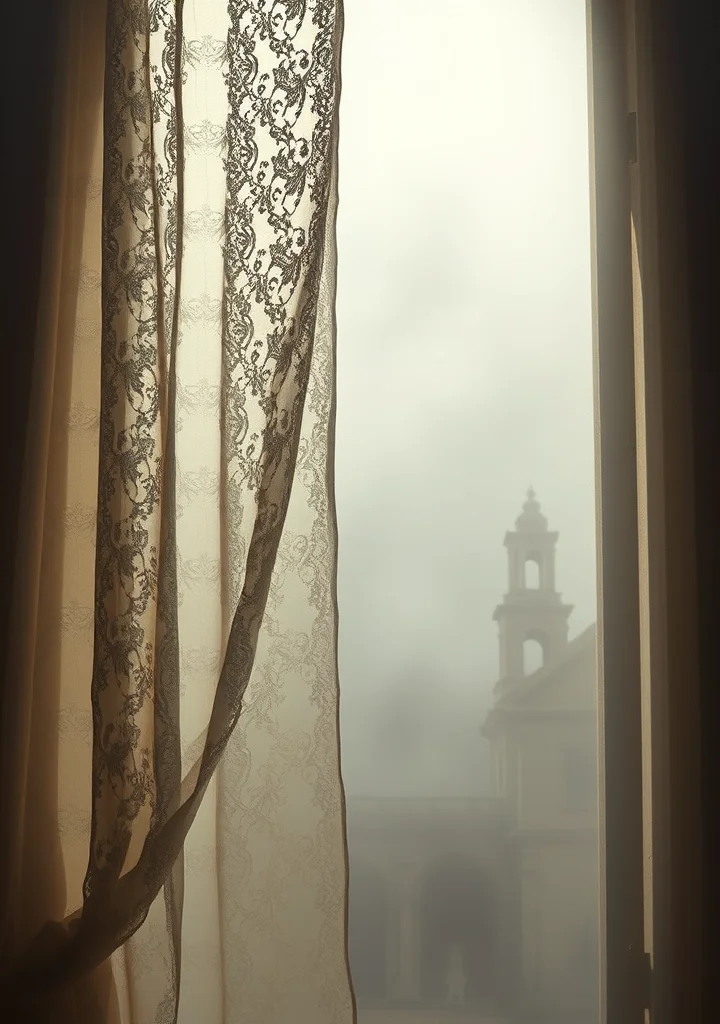
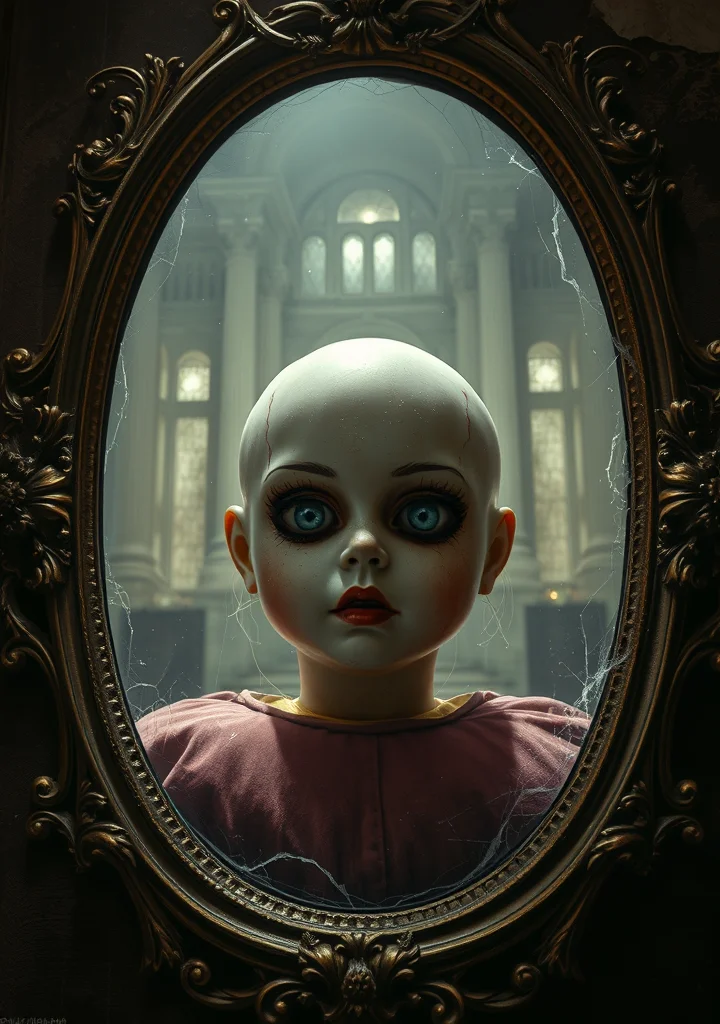
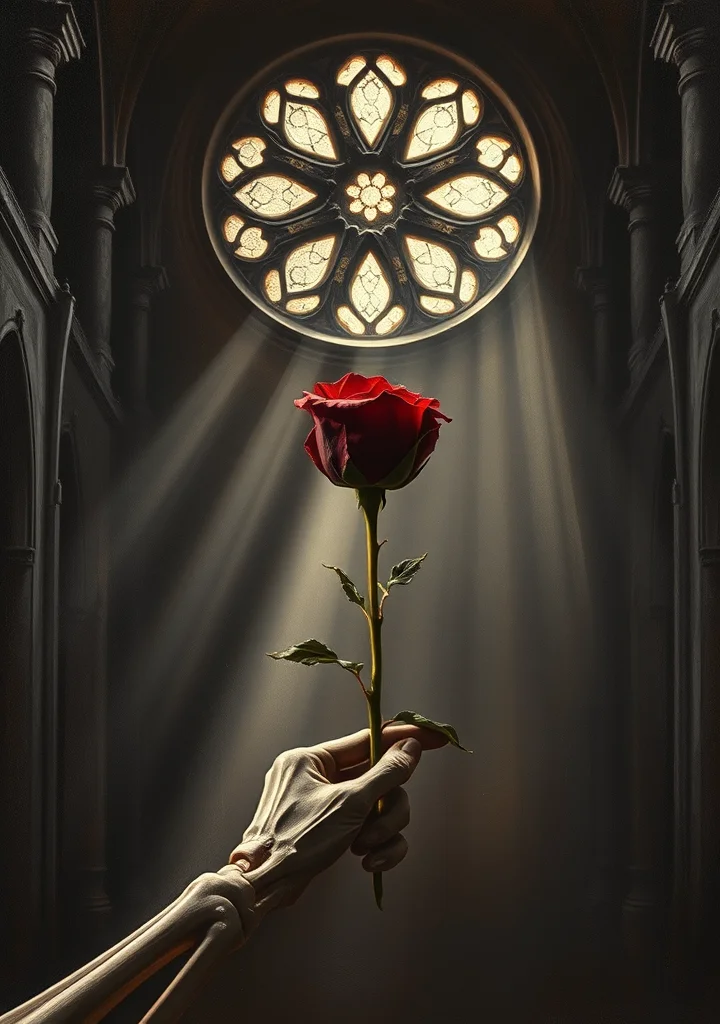
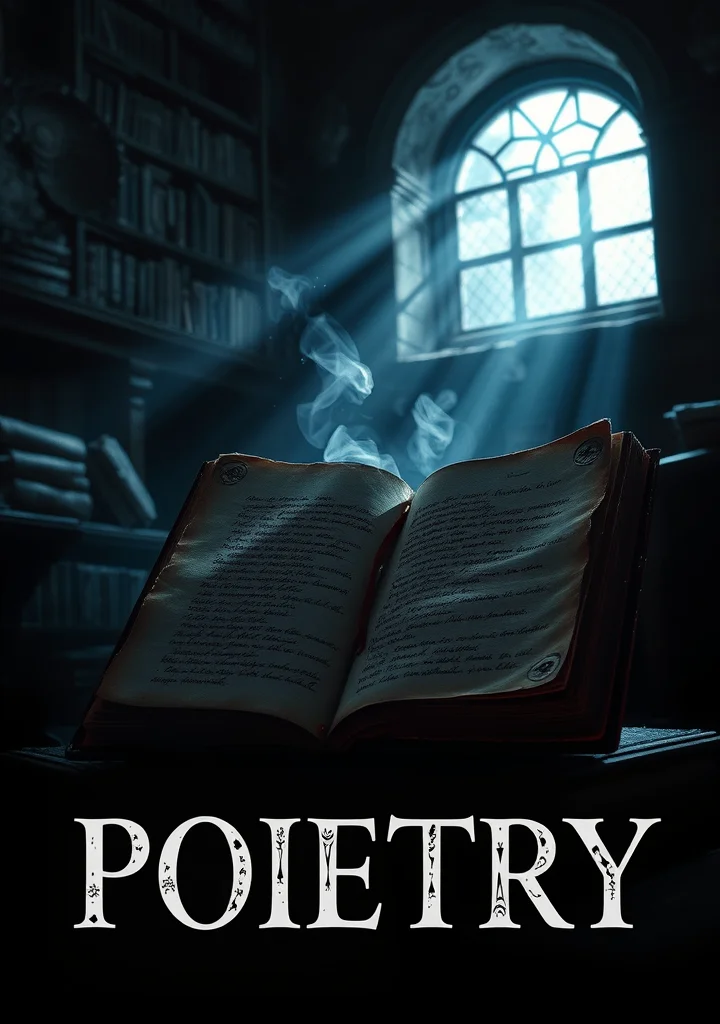
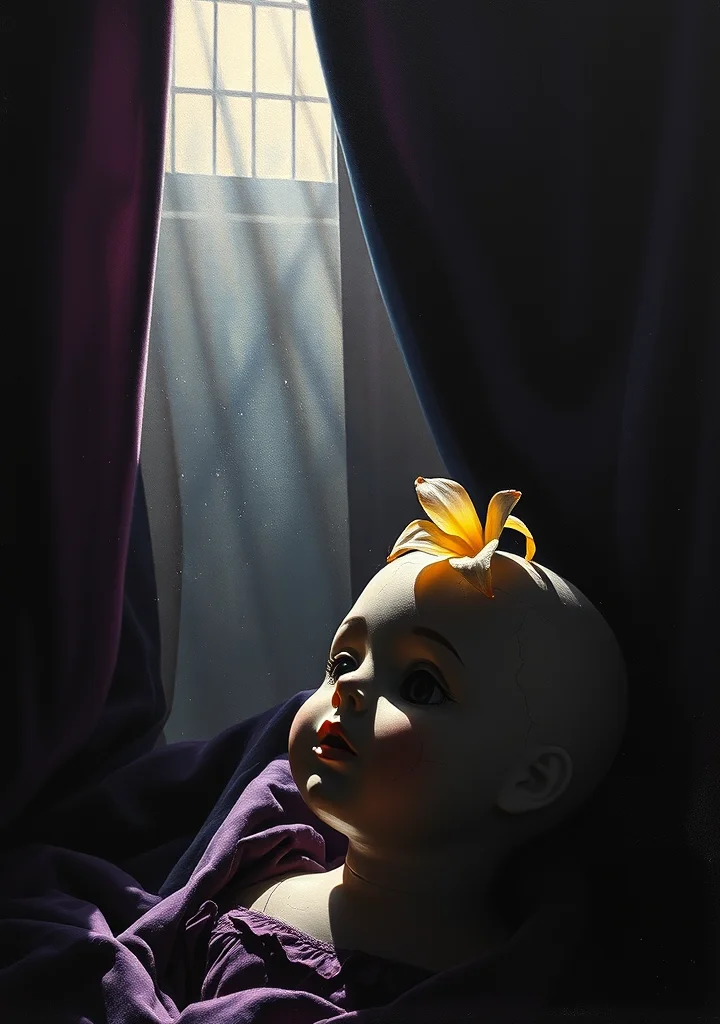
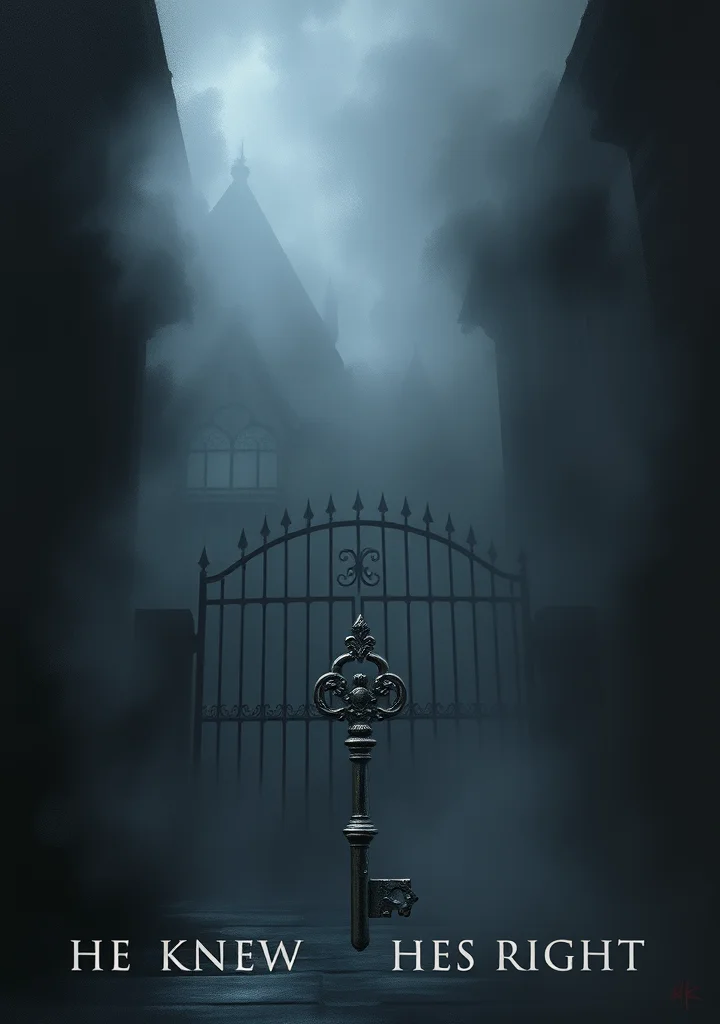
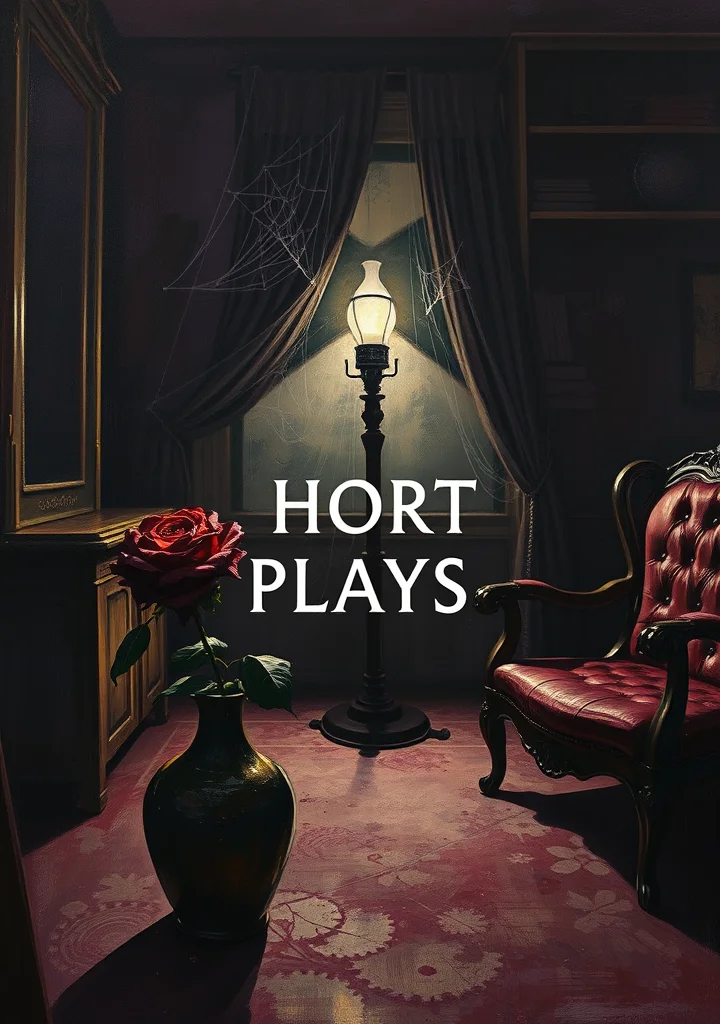
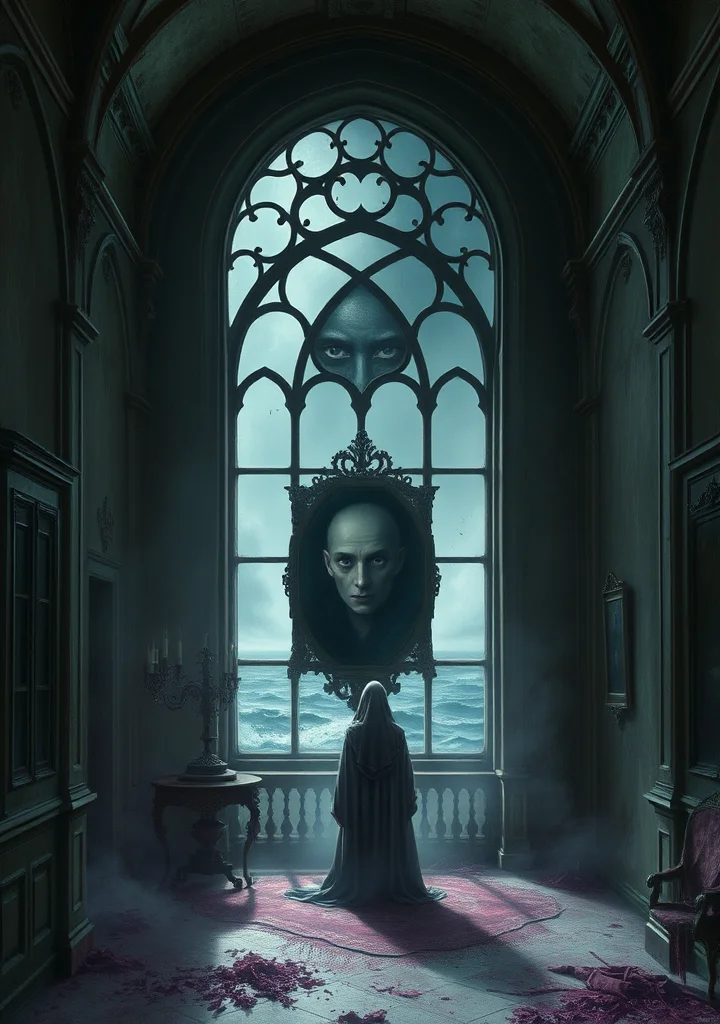
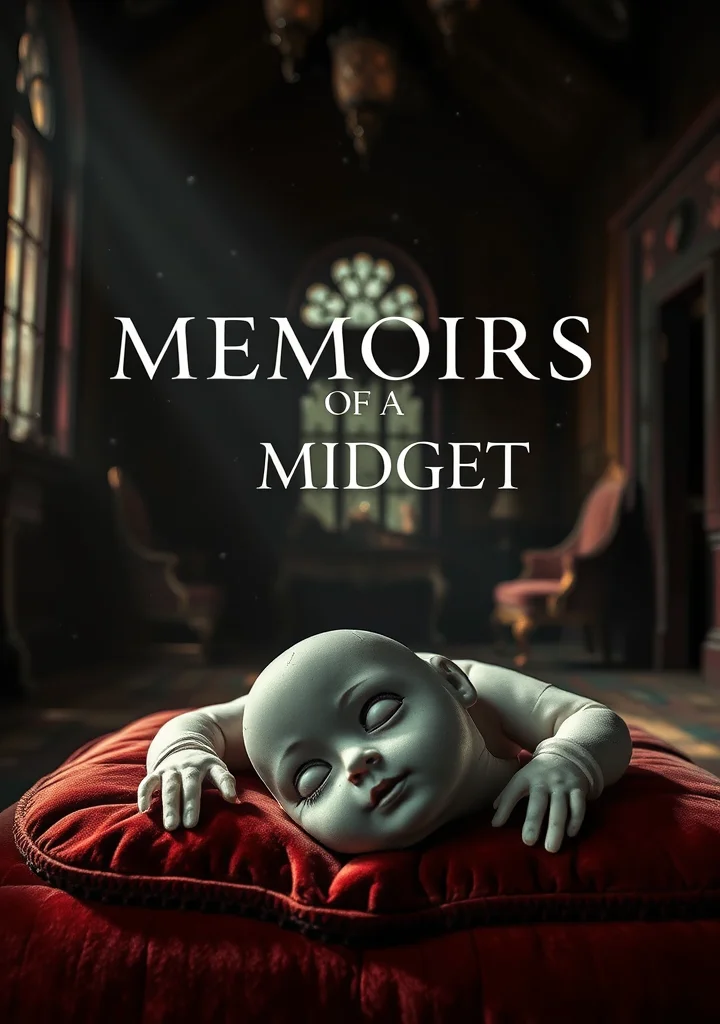
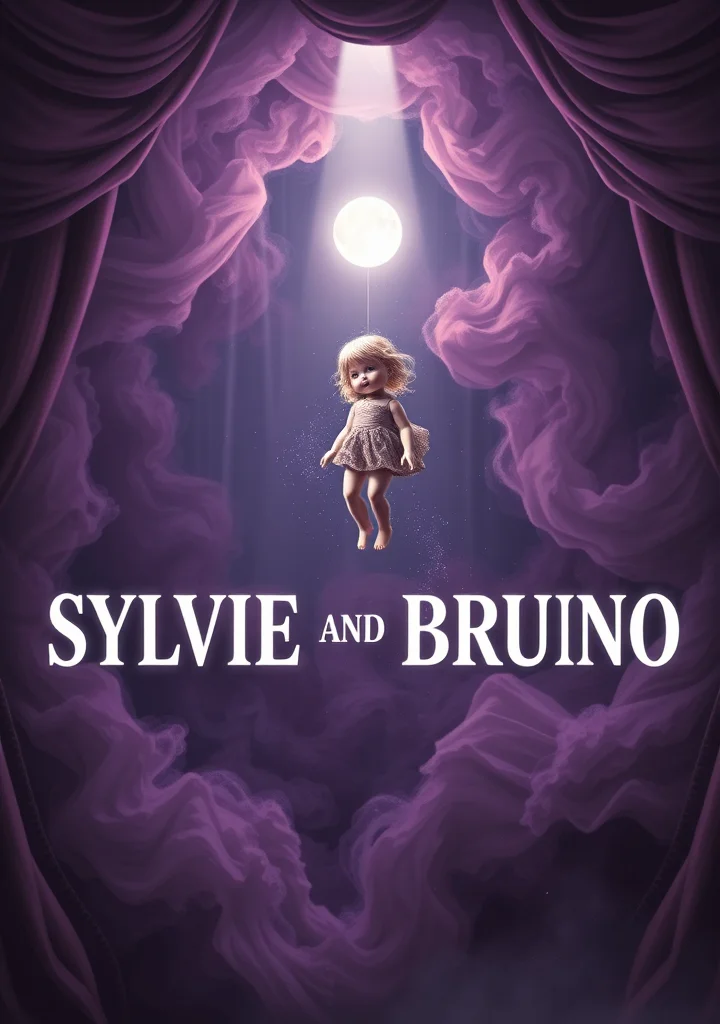
Dust motes dance in perpetual twilight, clinging to the velvet drapes of a nursery forever suspended between waking and dream. The narrative unravels not as a story told, but as a half-remembered fever vision—a fractured mirroring of Victorian society viewed through the warped lens of childhood. Beneath a veneer of whimsical nonsense, a melancholic ache permeates the pages, a sense of loss echoing through corridors of impossible geometry.
The characters drift like phantoms, their dialogues laced with a peculiar logic that feels both utterly sincere and utterly mad. A creeping unease settles in the reader's heart as the boundaries of reality blur. Sunlight seems to bleed away, replaced by the pallid glow of moonstone and moth wings.
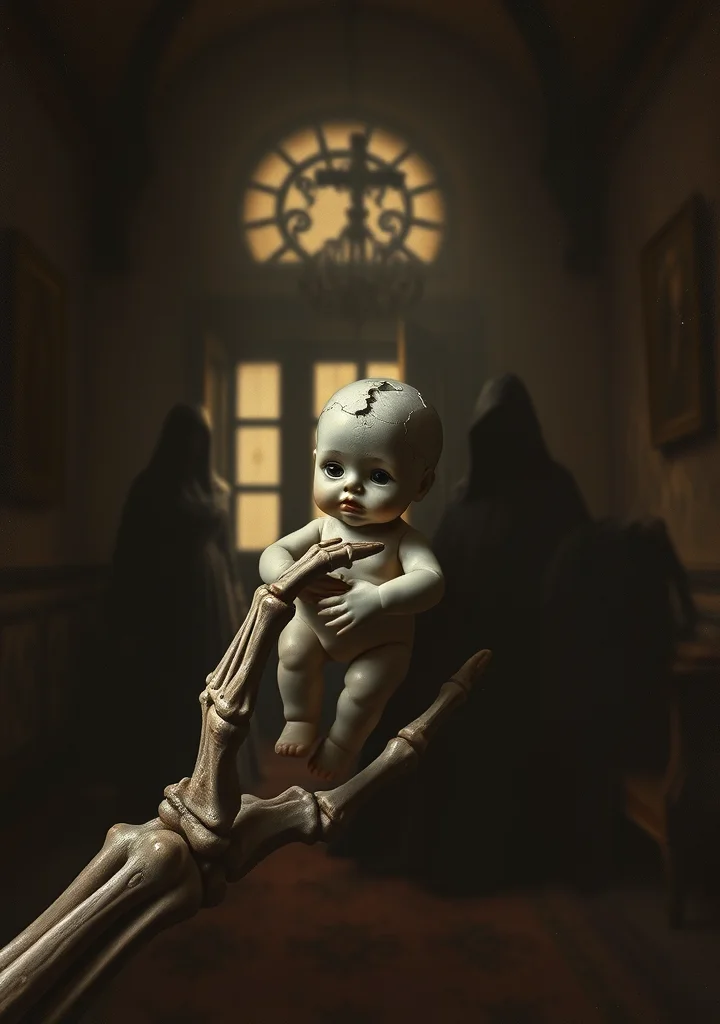
Sylvie and Bruno, spectral companions, offer glimpses into a world where grief is woven into the very fabric of existence, and the weight of unspoken desires presses against the brittle bones of the narrative. The story is less about what happens, and more about the suffocating stillness *between* moments—the echo of a sigh in a darkened room, the scent of lavender and decay clinging to forgotten toys. It is a labyrinth of mirrors, reflecting not joy, but the quiet desperation of a world on the verge of unraveling into shadow. The very air tastes of regret.
Copyright: Public Domain
This license allows anyone to use your story for any purpose, including printing, selling, or adapting it into a film freely.
This license allows anyone to use your story for any purpose, including printing, selling, or adapting it into a film freely.
Chapter List
-
« Sylvie and Bruno »📖 Continue Reading
-
« Preface »
-
« I »
-
« II »
-
« III »
-
« IV »
-
« V »
-
« VI »
-
« VII »
-
« VIII »
-
« IX »
-
« X »
-
« XI »
-
« XII »
-
« XIII »
-
« XIV »
-
« XV »
-
« XVI »
-
« XVII »
-
« XVIII »
-
« XIX »
-
« XX »
-
« XXI »
-
« XXII »
-
« XXIII »
-
« XXIV »
-
« XXV »
-
« Preface »
-
« I »
-
« II »
-
« III »
-
« IV »
-
« V »
-
« VI »
-
« VII »
-
« VIII »
-
« IX »
-
« X »
-
« XI »
-
« XII »
-
« XIII »
-
« XIV »
-
« XV »
-
« XVI »
-
« XVII »
-
« XVIII »
-
« XIX »
-
« XX »
-
« XXI »
-
« XXII »
-
« XXIII »
-
« XXIV »
-
« XXV »
53
-
« Sylvie and Bruno »
-
« Preface »
-
« I »
-
« II »
-
« III »
-
« IV »
-
« V »
-
« VI »
-
« VII »
-
« VIII »
-
« IX »
-
« X »
-
« XI »
-
« XII »
-
« XIII »
-
« XIV »
-
« XV »
-
« XVI »
-
« XVII »
-
« XVIII »
-
« XIX »
-
« XX »
-
« XXI »
-
« XXII »
-
« XXIII »
-
« XXIV »
-
« XXV »
-
« Preface »
-
« I »
-
« II »
-
« III »
-
« IV »
-
« V »
-
« VI »
-
« VII »
-
« VIII »
-
« IX »
-
« X »
-
« XI »
-
« XII »
-
« XIII »
-
« XIV »
-
« XV »
-
« XVI »
-
« XVII »
-
« XVIII »
-
« XIX »
-
« XX »
-
« XXI »
-
« XXII »
-
« XXIII »
-
« XXIV »
-
« XXV »
More like this