
-
Read 329
-
0
-
Part 17
Completed, First published Mar 02, 2026
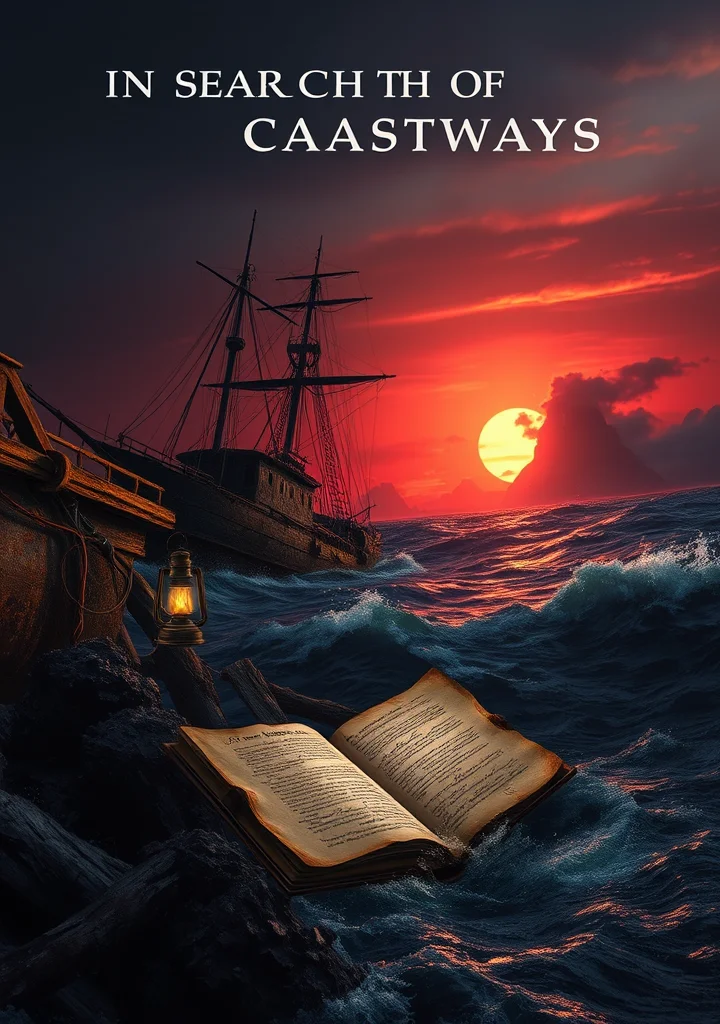
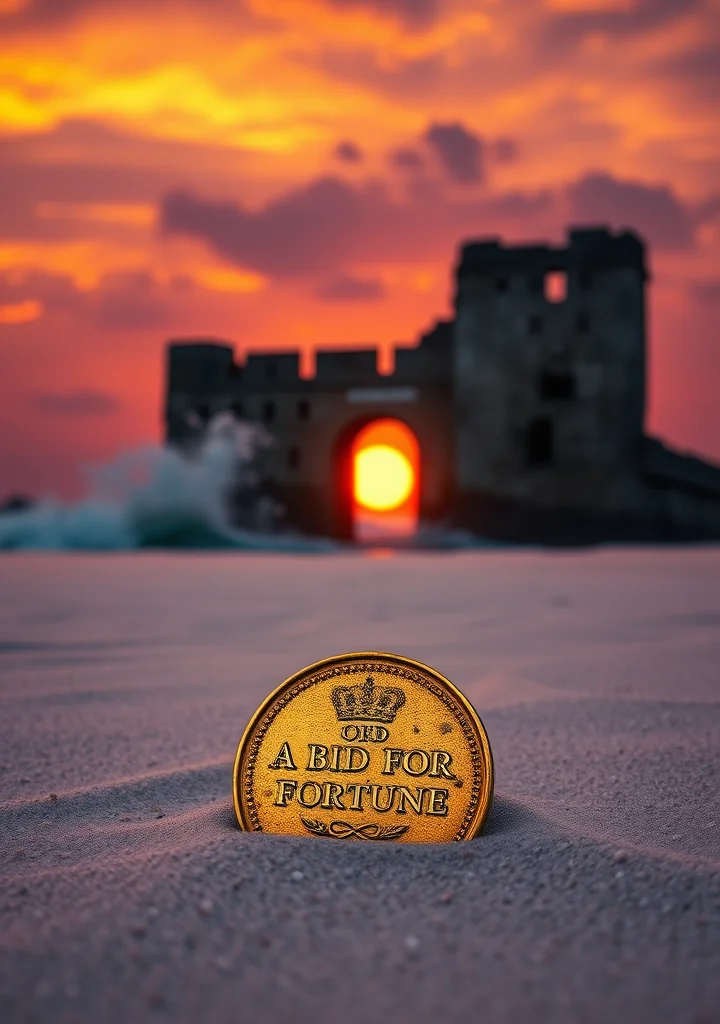
Salt-laced winds howl through crumbling Portuguese fortresses, echoing the avarice that clings to the shadowed coast of Mozambique. This is a tale spun from brine and betrayal, where the lust for buried treasure—a Spanish galleon’s hoard—drives men to madness and the very reefs themselves seem to conspire against the living. A fever dream of sun-bleached skulls and feverish ambition, the narrative unfolds amidst decaying grandeur and the stifling heat of colonial decay. The air hangs thick with the scent of jasmine and rot, of promises broken and fortunes lost. A creeping dread seeps from the mangrove swamps, mirroring the slow corruption of the protagonist’s soul as he descends into a labyrinth of deceit woven by pirates, schemers, and the ghosts of those who drowned seeking their due. Every shadow conceals a blade, every smile a lie, and the relentless sun beats down upon a landscape where hope itself seems to blister and crumble into dust. The ocean breathes a mournful song, a siren’s call to a darkness that swallows men whole, leaving only whispers and the glint of gold in the eyes of carrion birds.
Copyright: Public Domain
This license allows anyone to use your story for any purpose, including printing, selling, or adapting it into a film freely.
This license allows anyone to use your story for any purpose, including printing, selling, or adapting it into a film freely.
More like this