
-
Reads 109
-
0
-
Part 25
Completed, First published Mar 02, 2026
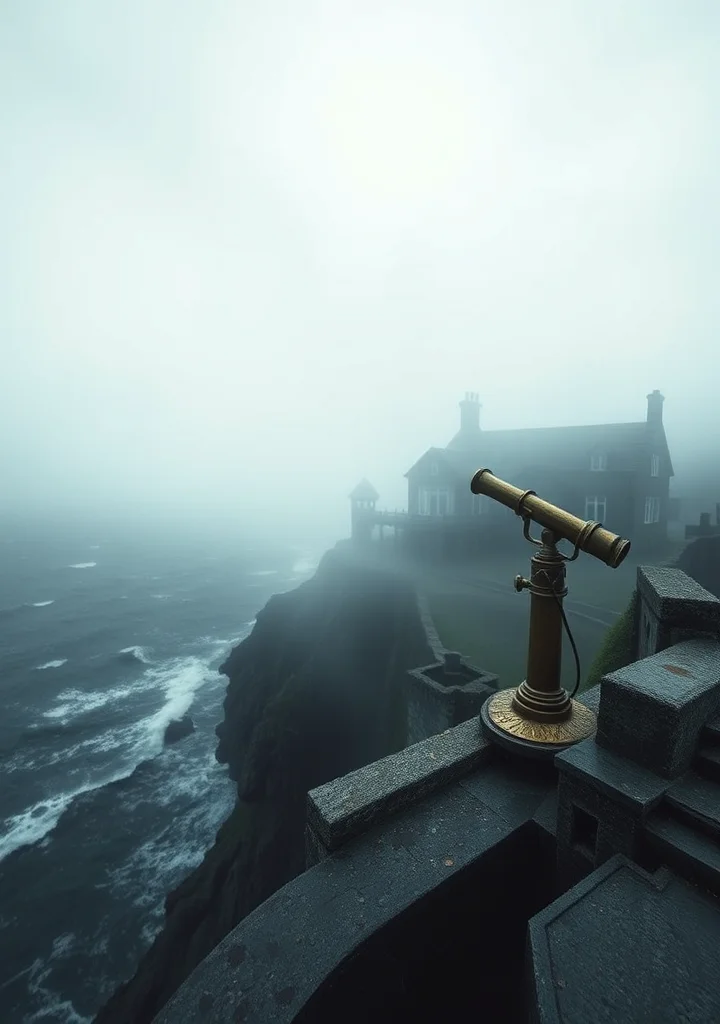
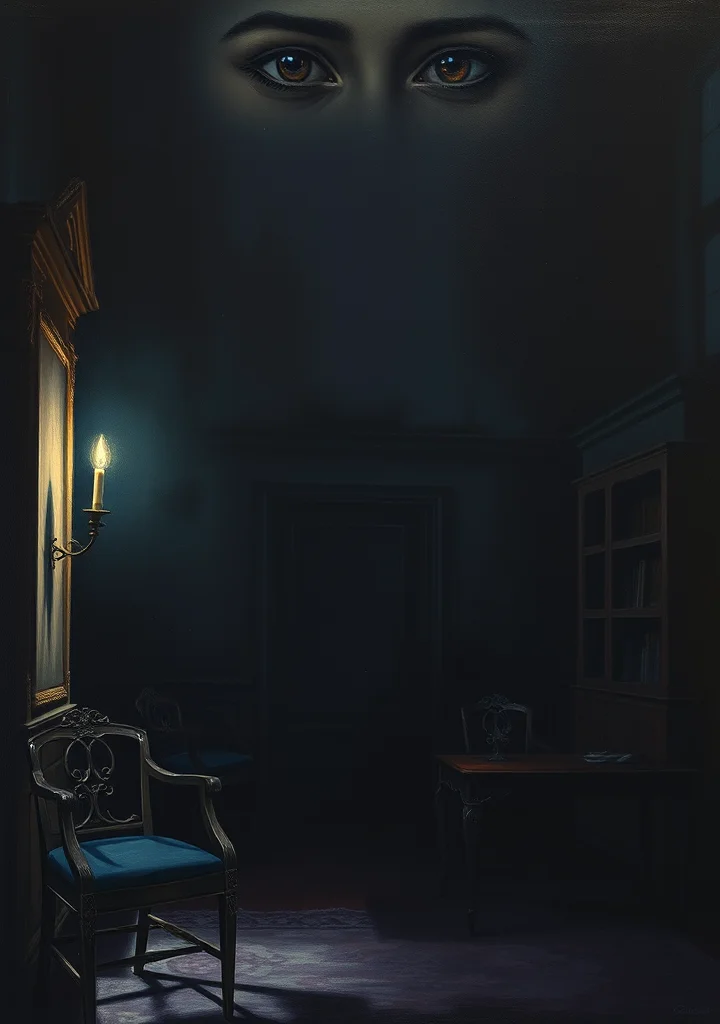
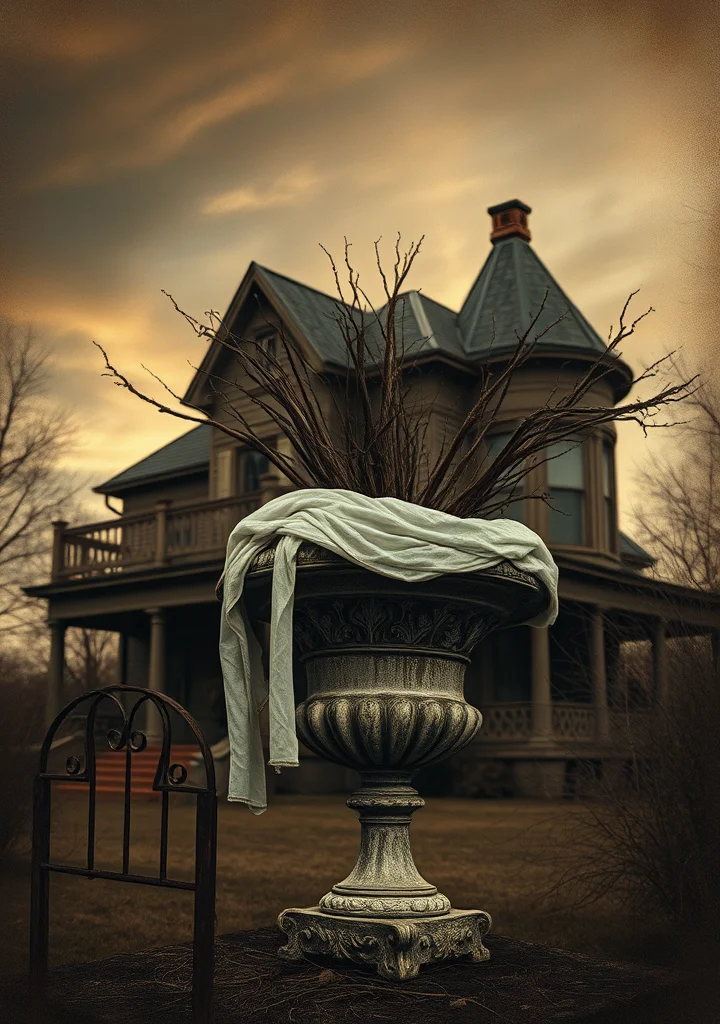
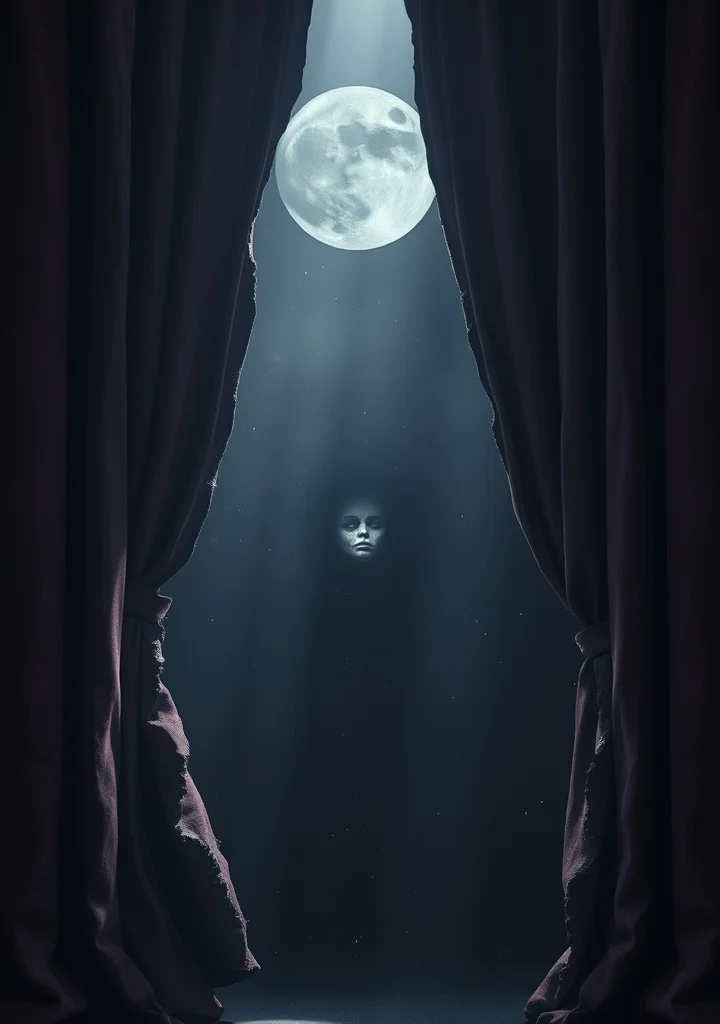
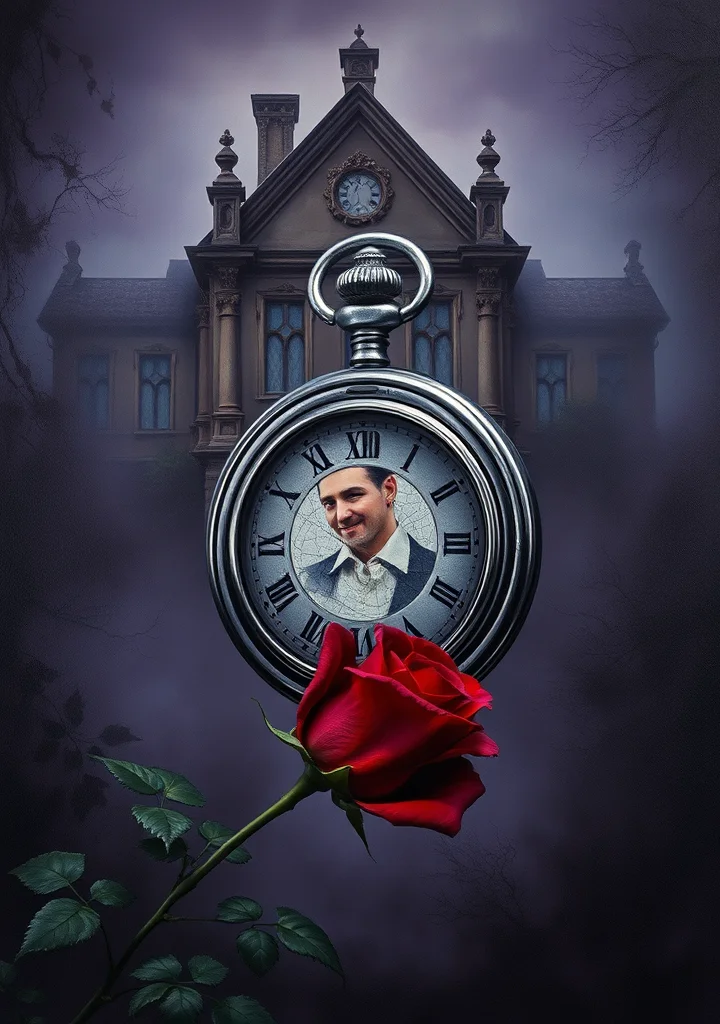
A creeping dread settles amongst the shadowed estates of Lincolnshire, where the amiable facade of rural life thinly veils a rot of ambition and concealed resentments. The narrative unfolds like a slow poison, dripping through the drawing rooms and along the winding lanes, tracing the insidious rise of Henry, a man whose quiet benevolence masks a calculating hunger for status. Sunlight feels brittle here, illuminating not warmth but the dust motes dancing in forgotten corners. Every smile exchanged carries the weight of unspoken debts, every offered hand a subtle tightening of control. The air is thick with the scent of damp earth and decaying privilege, mirroring the decay within the hearts of those who seek to climb the social ladder upon the bones of their kin. A suffocating stillness clings to the narrative; a sense of inevitability that even the most ardent protestations of innocence cannot dispel. It is a story of inheritance not merely of land, but of a creeping, insidious darkness that festers beneath the polite smiles and gentle manners, waiting to consume all within its reach. The silence is the most haunting character of all, bearing witness to the subtle betrayals that blossom in the shadowed spaces between generations.
Copyright: Public Domain
This license allows anyone to use your story for any purpose, including printing, selling, or adapting it into a film freely.
This license allows anyone to use your story for any purpose, including printing, selling, or adapting it into a film freely.
Chapter List
-
« Cousin Henry »📖 Continue ReadingMon, Mar 02, 2026
-
« I »Mon, Mar 02, 2026
-
« II »Mon, Mar 02, 2026
-
« III »Mon, Mar 02, 2026
-
« IV »Mon, Mar 02, 2026
-
« V »Mon, Mar 02, 2026
-
« VI »Mon, Mar 02, 2026
-
« VII »Mon, Mar 02, 2026
-
« VIII »Mon, Mar 02, 2026
-
« IX »Mon, Mar 02, 2026
-
« X »Mon, Mar 02, 2026
-
« XI »Mon, Mar 02, 2026
-
« XII »Mon, Mar 02, 2026
-
« XIII »Mon, Mar 02, 2026
-
« XIV »Mon, Mar 02, 2026
-
« XV »Mon, Mar 02, 2026
-
« XVI »Mon, Mar 02, 2026
-
« XVII »Mon, Mar 02, 2026
-
« XVIII »Mon, Mar 02, 2026
-
« XIX »Mon, Mar 02, 2026
-
« XX »Mon, Mar 02, 2026
-
« XXI »Mon, Mar 02, 2026
-
« XXII »Mon, Mar 02, 2026
-
« XXIII »Mon, Mar 02, 2026
-
« XXIV »Mon, Mar 02, 2026
25
-
« Cousin Henry »Mon, Mar 02, 2026
-
« I »Mon, Mar 02, 2026
-
« II »Mon, Mar 02, 2026
-
« III »Mon, Mar 02, 2026
-
« IV »Mon, Mar 02, 2026
-
« V »Mon, Mar 02, 2026
-
« VI »Mon, Mar 02, 2026
-
« VII »Mon, Mar 02, 2026
-
« VIII »Mon, Mar 02, 2026
-
« IX »Mon, Mar 02, 2026
-
« X »Mon, Mar 02, 2026
-
« XI »Mon, Mar 02, 2026
-
« XII »Mon, Mar 02, 2026
-
« XIII »Mon, Mar 02, 2026
-
« XIV »Mon, Mar 02, 2026
-
« XV »Mon, Mar 02, 2026
-
« XVI »Mon, Mar 02, 2026
-
« XVII »Mon, Mar 02, 2026
-
« XVIII »Mon, Mar 02, 2026
-
« XIX »Mon, Mar 02, 2026
-
« XX »Mon, Mar 02, 2026
-
« XXI »Mon, Mar 02, 2026
-
« XXII »Mon, Mar 02, 2026
-
« XXIII »Mon, Mar 02, 2026
-
« XXIV »Mon, Mar 02, 2026
Recommended for you