
On the Art of Writing
  • 99
  • 0
  • 17
  • Reads 99
  • 0
  • Part 17
Completed, First published Mar 02, 2026

Dust motes dance in the perpetual twilight of a Cornish study, where the scent of brine and decaying paper clings to everything. This is not a guide to craft, but an excavation of obsession. Quiller-Couch doesn’t instruct; he *compels* you to witness the feverish devotion of those who bleed ink onto the page. Each chapter feels less like instruction and more like a confession wrung from the throats of ghosts—the fever-dreams of sailors charting phantom reefs, the whispered secrets of smugglers haunting forgotten coves. The prose itself is a labyrinth of shadowed alleys and shadowed minds. It doesn’t illuminate technique, it *reveals* the mania underlying it. A creeping dread settles as you realize the author isn’t offering tools, but a glimpse into the very rot that fuels creation. The ambition here isn’t to write *well*, but to dismantle the self, to hollow out a vessel for the stories that claw their way from the loam of memory. This is a book for those who understand that the truest art is born not of skill, but of a beautiful, terrible unraveling. It’s a cold hand on the back of your neck, whispering of sacrifices made at the altar of the narrative. A study in obsession, this is a volume that threatens to consume the reader as much as it attempts to explain the art it dissects.
Copyright: Public Domain
This license allows anyone to use your story for any purpose, including printing, selling, or adapting it into a film freely.
Recommended for you
61 Part
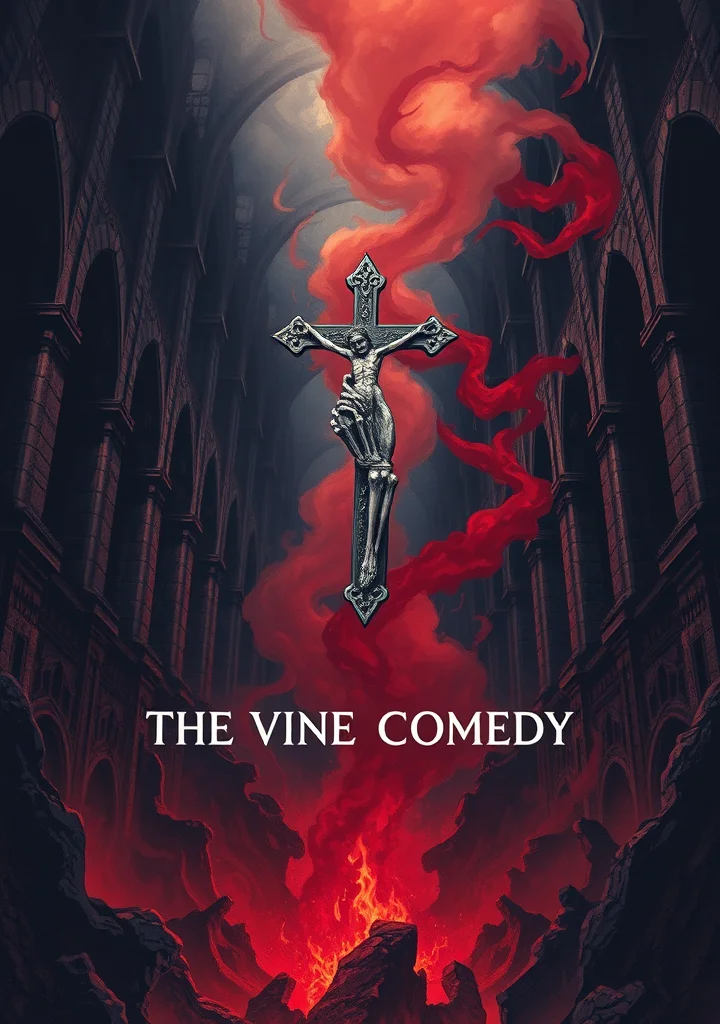
A perpetual twilight clings to the shadowed halls of Udolpho, where innocence is tested by the suffocating weight of ancestral secrets. The narrative unfolds within a labyrinth of crumbling castles and sunless forests, mirroring the fractured psyche of its heroine, Emily St. Aubert. Every echoing corridor whispers of past betrayals, every darkened chamber breathes with the icy presence of unspoken fears. A suffocating dread permeates the Italian landscape, born not of overt horror, but of insidious suspicion and the slow unraveling of sanity. The oppressive grandeur of Udolpho itself becomes a character, its vastness mirroring the boundless anxieties that consume Emily. The air is thick with the scent of decaying grandeur, and the story unfolds with the deliberate pace of a nightmare, punctuated by stolen glances, intercepted letters, and the chilling resonance of distant screams. It is a world where the boundaries between reality and hallucination blur, where the imagination, fueled by isolation and paranoia, conjures terrors far more potent than any visible threat. A creeping sense of helplessness pervades as Emily is drawn deeper into a web of familial intrigue, shadowed by the looming specter of a tyrannical uncle and the veiled machinations of those who would claim her inheritance. The narrative is steeped in a melancholic beauty, a haunting symphony of vulnerability and veiled menace, forever lingering in the half-light between revelation and despair.
86 Part
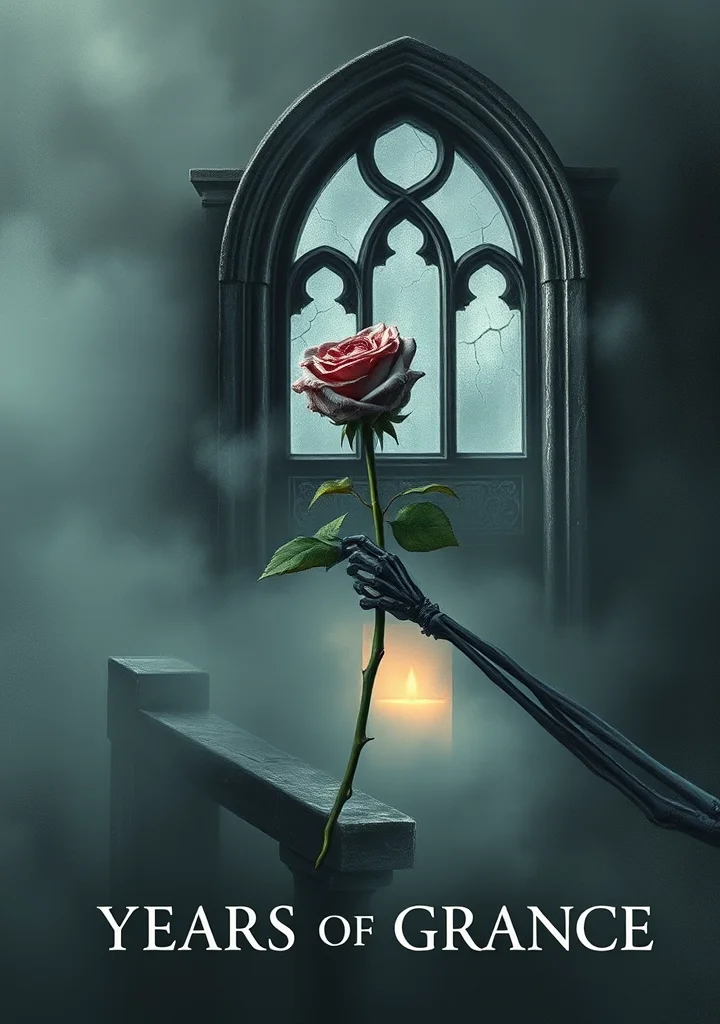
Dust motes dance in the oppressive heat of a Hong Kong summer, mirroring the suffocating stillness of Katherine’s marriage. A gilded cage, woven with silk and silence, holds her fast to Walter, a man whose cold precision dissects affection as readily as a laboratory specimen. But the cholera epidemic is a fever dream of rot and revelation, a landscape of shadowed alleys and whispered fears where Katherine, driven to desperate charity, dons a veil—not of mourning, but of disguise. The air hangs thick with the scent of jasmine and decay as she infiltrates a remote, lawless village, trading her identity for a cure. The deeper she ventures into the heart of the plague, the more Walter’s rigid composure cracks, revealing a man haunted by his own sterile ambition. Each act of kindness, each shared moment under the suffocating weight of the epidemic, peels back layers of their carefully constructed lives. The world bleeds into a bruised palette of ochre and grey, the sun a malevolent eye watching as Katherine navigates a moral labyrinth. The veil becomes not just a shield against contagion, but a mask for a woman shedding her own brittle illusions. It’s a descent into a shadowed intimacy, where love and loathing twist together like the roots of a strangling vine, and the only certainty is the creeping, insidious dread of what—or whom—they’ve left behind. The weight of the silk is a constant reminder: salvation, or a slow, beautiful unraveling.
38 Part
A creeping dread clings to the brownstone steps of Brooklyn Heights, thick as the November fog. Cole’s narrative unfolds not as a whodunit, but as a slow bleed of rot into the very foundations of respectability. Each murder—precise, ritualistic, and echoing with the hollow resonance of forgotten things—unearths not clues, but layers of shadowed history within the borough’s brick and iron. The investigation itself becomes a descent into a labyrinth of decaying mansions and gaslit alleys, haunted by the whispers of the dead and the suffocating weight of secrets. The air tastes of brine and old money, tainted by the metallic tang of blood. Rain slicks the cobblestones, reflecting the lamplight in fractured, spectral shapes. Witnesses are not forthcoming with answers, but with averted eyes and mumbled prayers. A suffocating sense of inevitability pervades, as if the killings are not aberrations but the inevitable culmination of a dark covenant made long ago, woven into the very fabric of the city’s ambition. The detective, haunted by visions of his own failures, walks a tightrope between sanity and the abyss, mirroring the city’s descent into a feverish, melancholic dream. Each discovered body is less a crime scene, and more a morbid tableau—a perverse echo of a past tragedy. The narrative doesn’t reveal answers, but exposes the raw, vulnerable nerve of a city built on the bones of its own ghosts, a place where the darkness doesn’t just fall, but *breathes*.