
-
Read 277
-
0
-
Part 15
Completed, First published Mar 02, 2026
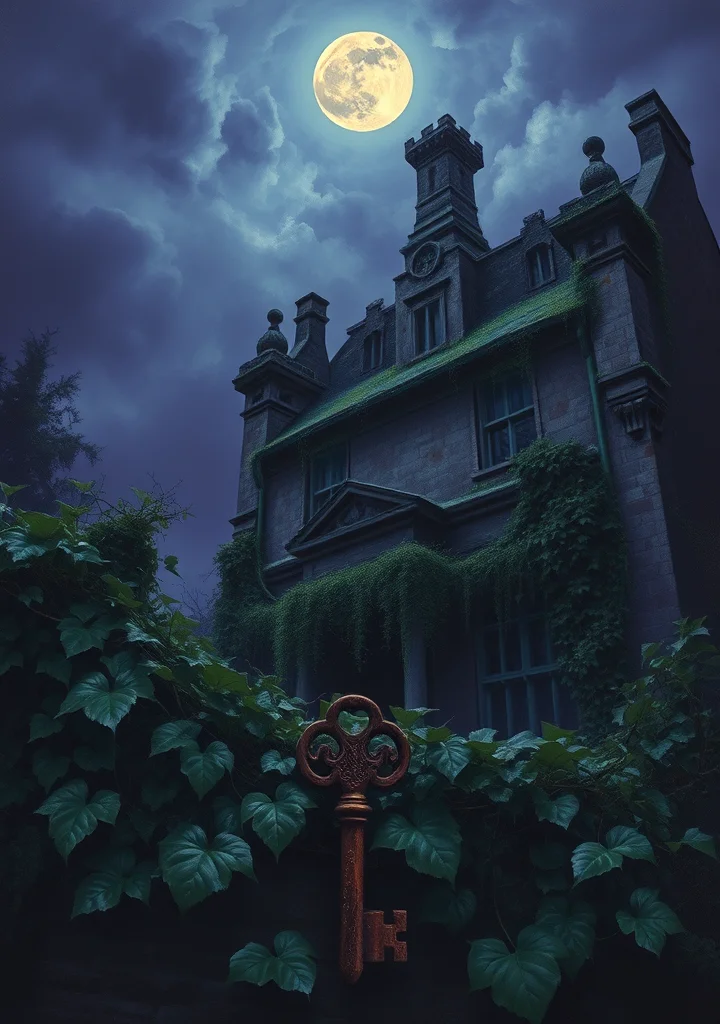
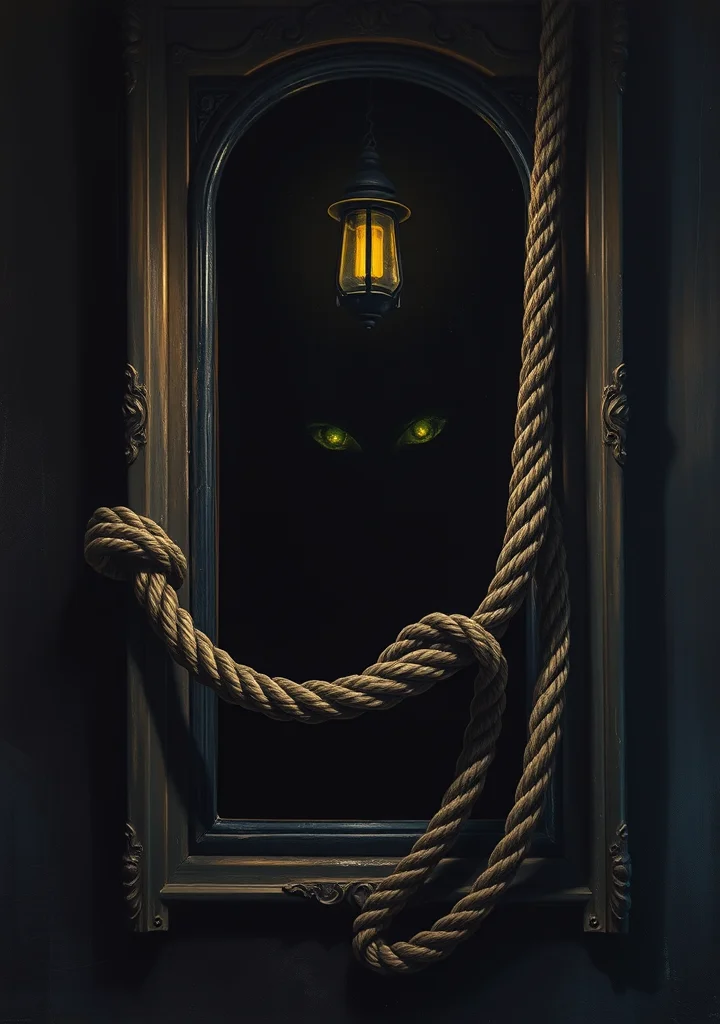
A creeping dread permeates the shadowed decks of the *Maria*, a vessel adrift not on water, but on the stagnant currents of obsession. Conrad doesn't offer storms at sea, but a tempest within the soul of Falk, a man unraveling under the weight of a self-imposed exile and the spectral presence of a past he desperately, and fatally, seeks to resurrect. The narrative clings to the humid air of decaying grandeur, a Portuguese estate haunted by the phantom ache of lost love and the insidious rot of ambition. Every whispered confidence, every flicker of gaslight, breeds a suffocating claustrophobia. The jungle presses in, mirroring the feverish tangle of Falk’s schemes – schemes born of privilege, fueled by delusion, and destined to strangle in the vine-choked embrace of a decaying world. A slow, inexorable descent into darkness unfolds, not through grand horror, but through the erosion of reason, the subtle corrosion of a man tethered to a phantom hope, and the suffocating weight of a history that refuses to remain buried. The true terror isn’t what lurks *in* the shadows, but the realization that the shadows themselves are all that remain.
Copyright: Public Domain
This license allows anyone to use your story for any purpose, including printing, selling, or adapting it into a film freely.
This license allows anyone to use your story for any purpose, including printing, selling, or adapting it into a film freely.
More like this