
-
Read 485
-
0
-
Part 42
Completed, First published Mar 02, 2026
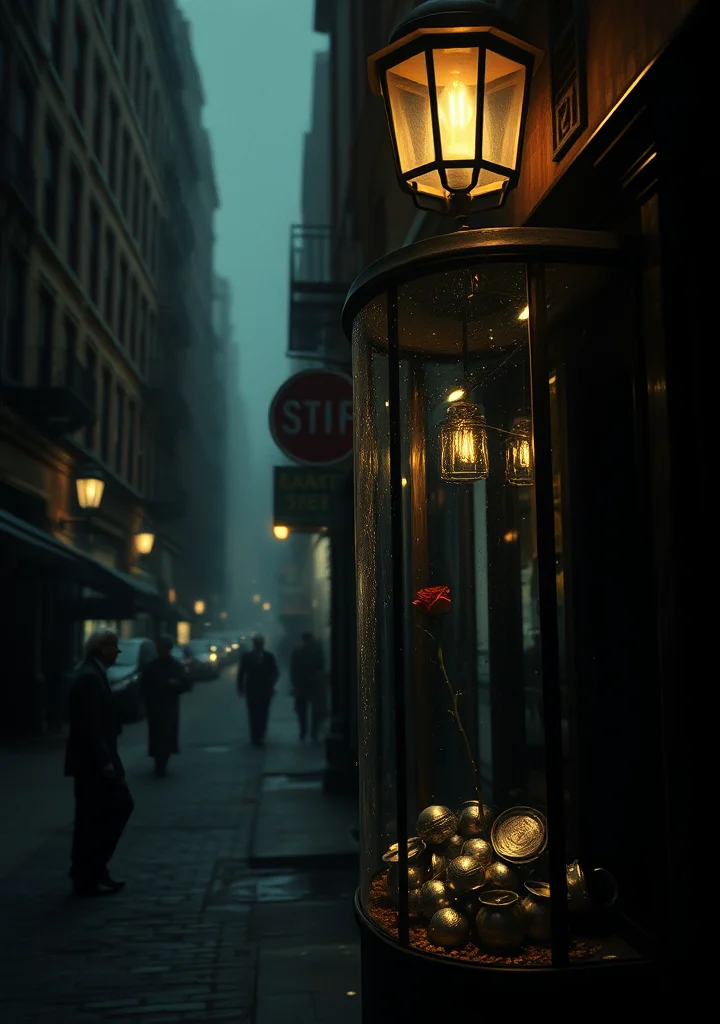
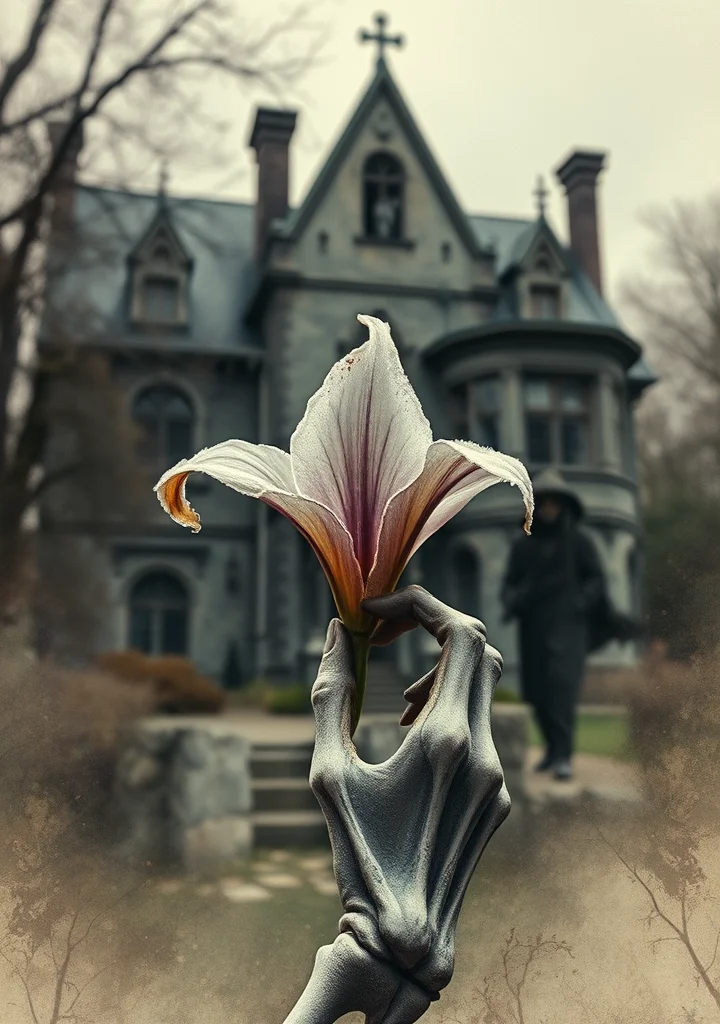
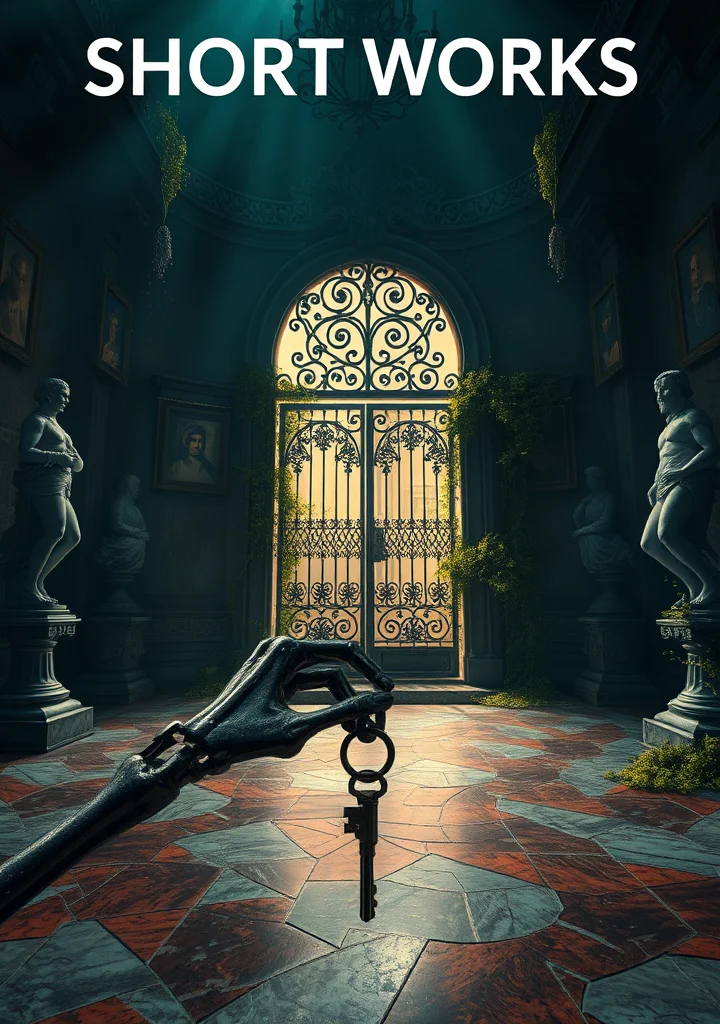
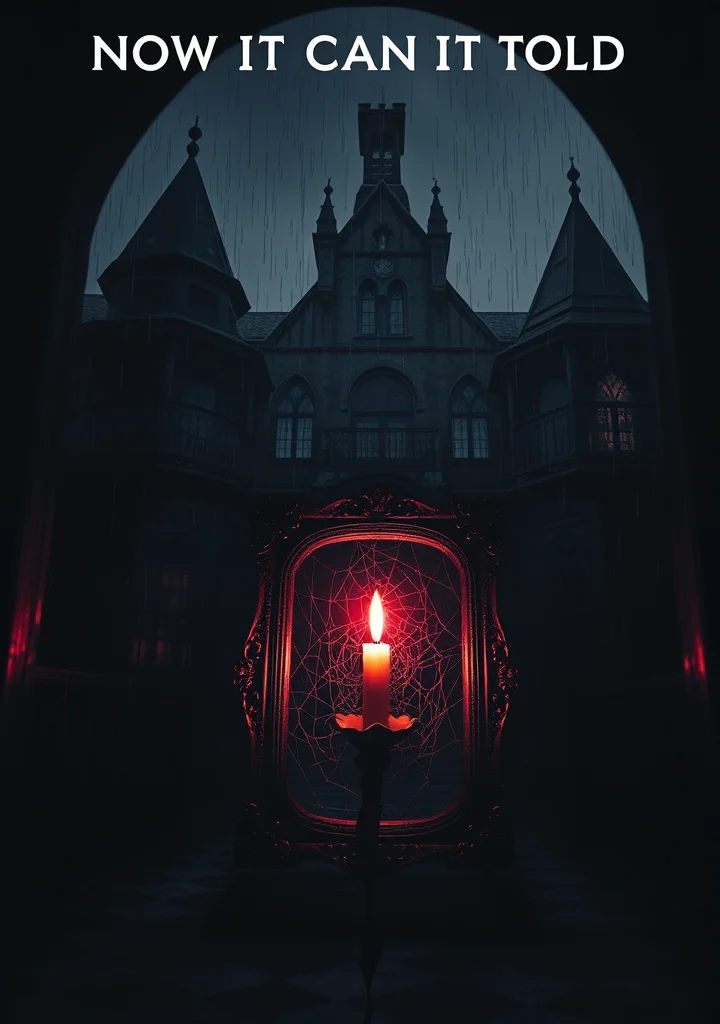
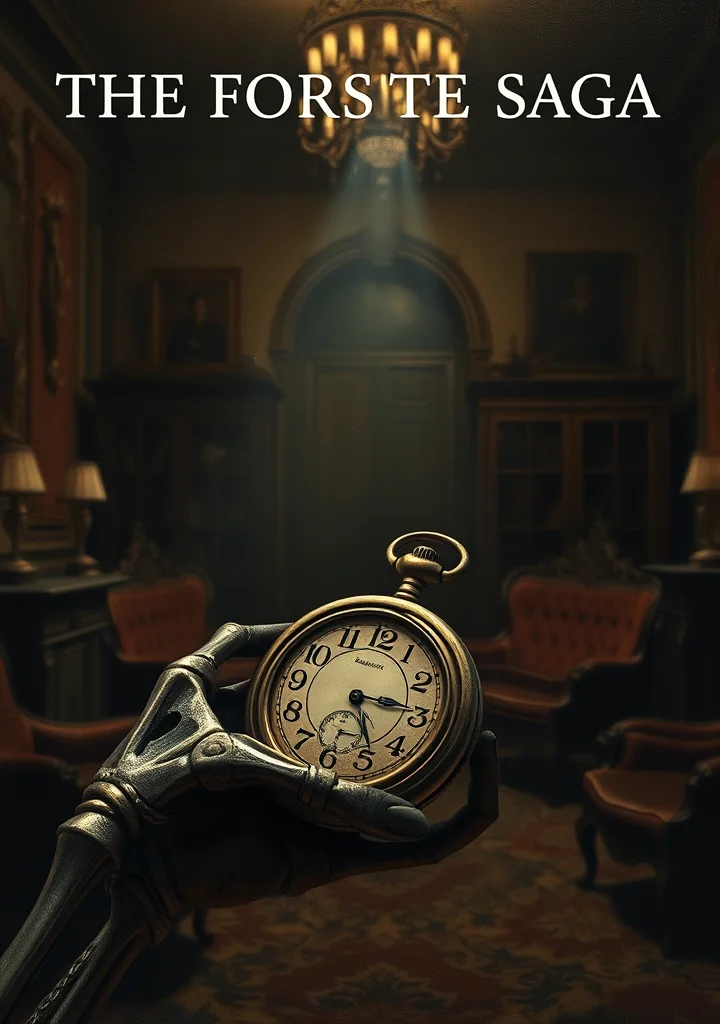
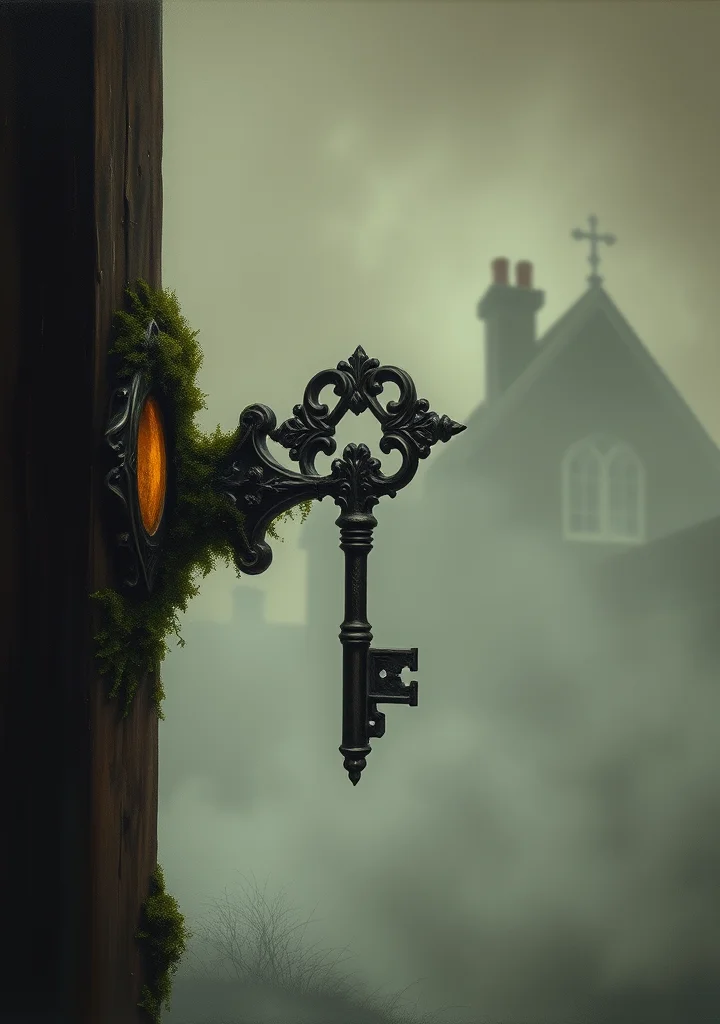
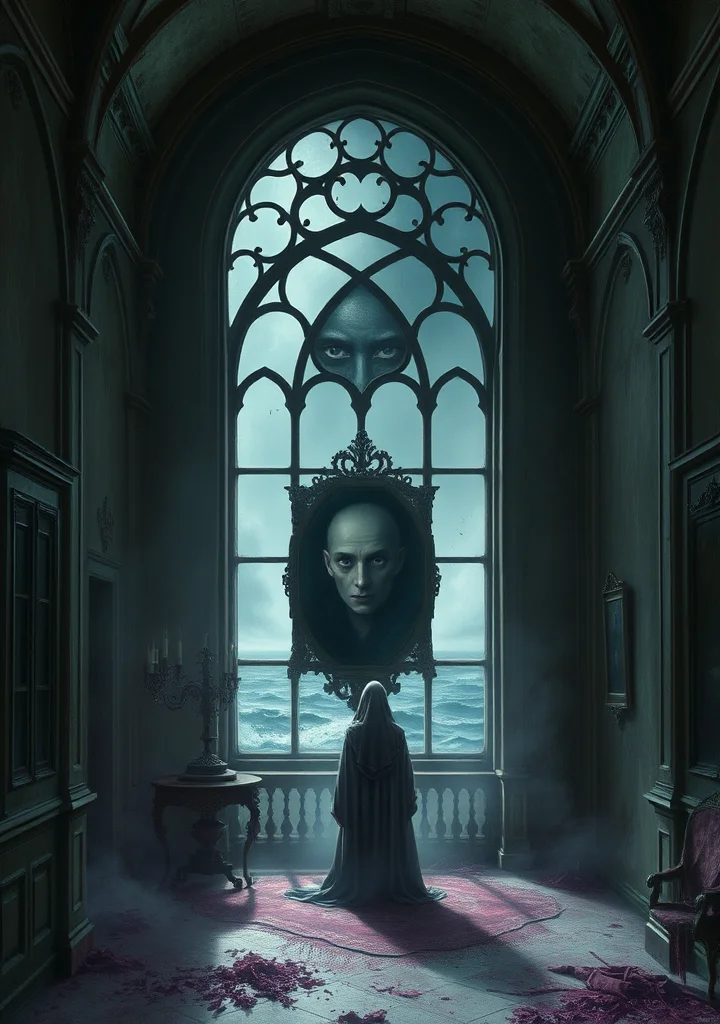
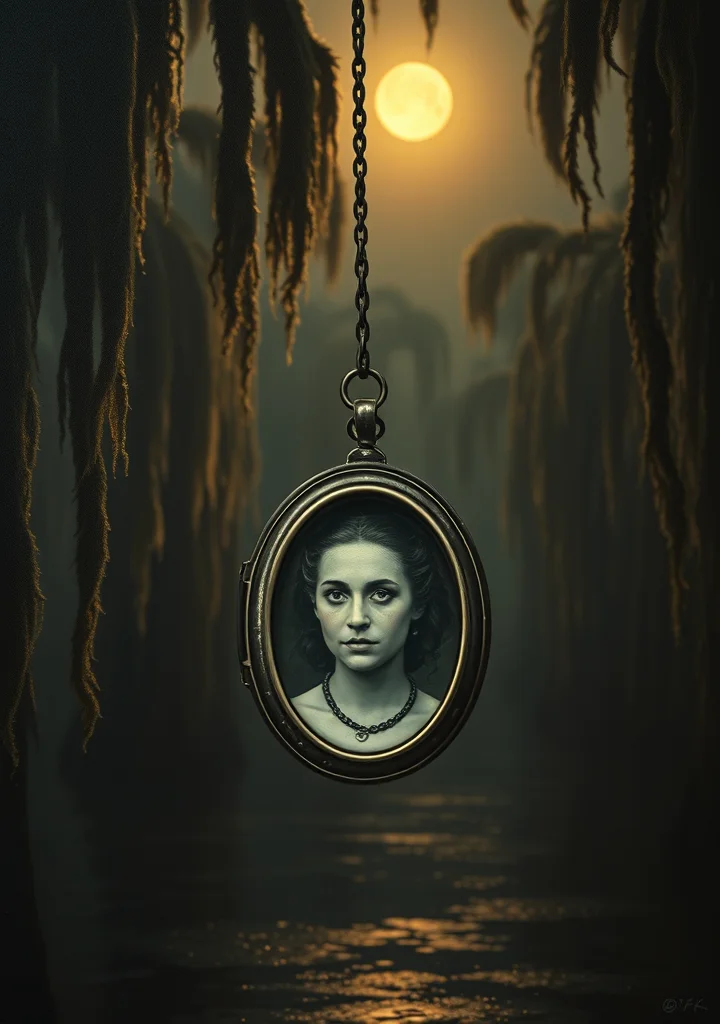
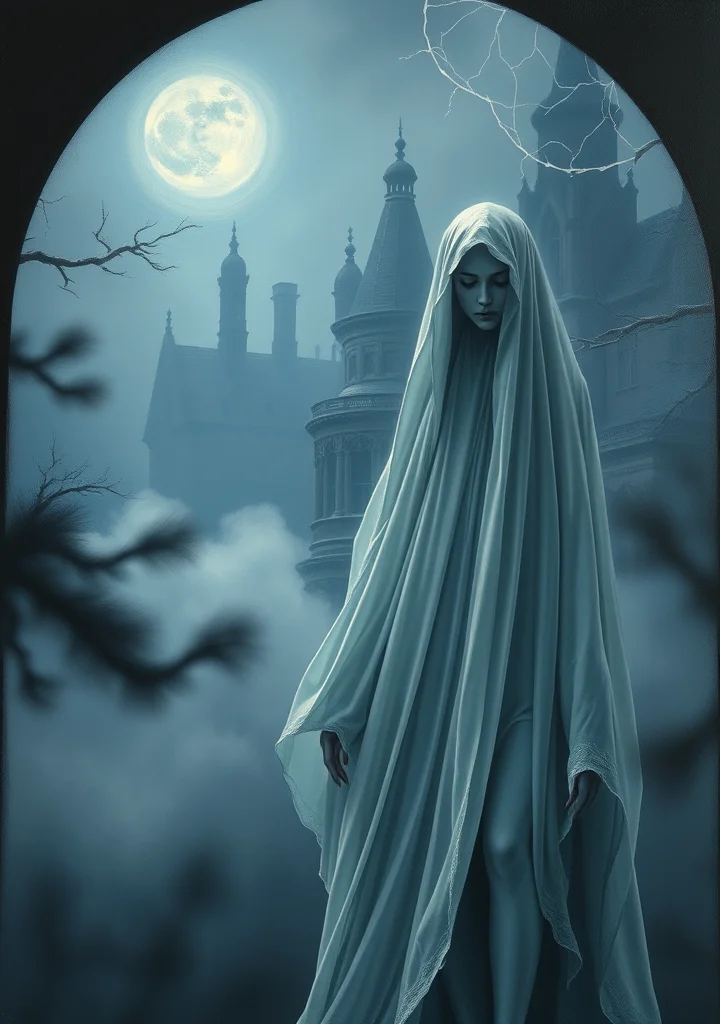
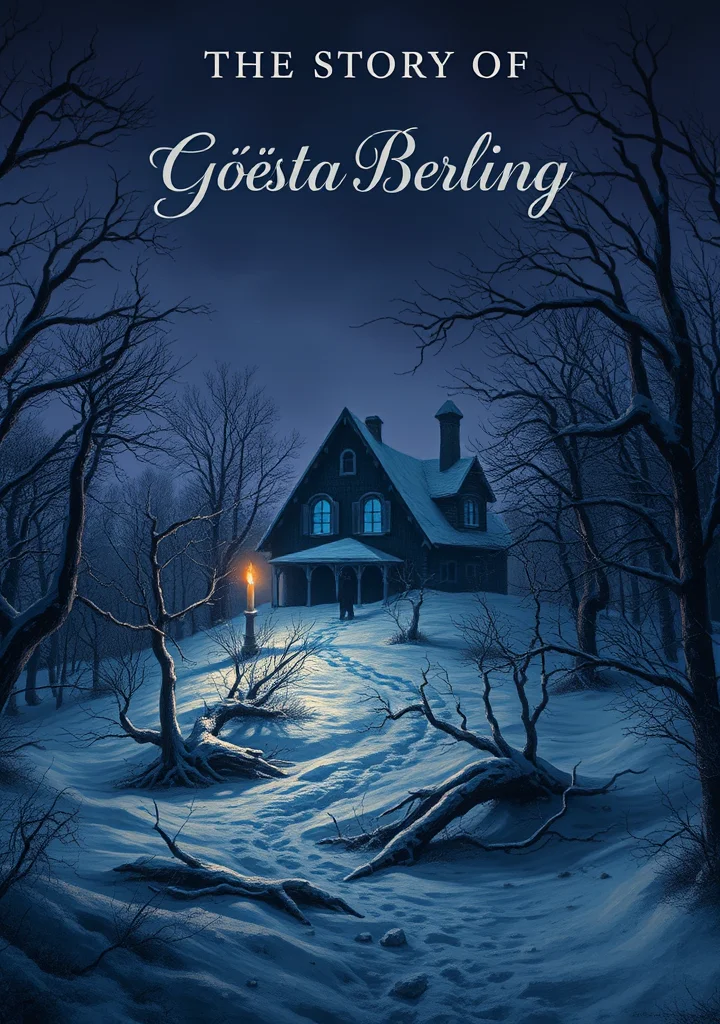
A perpetual twilight clings to the crumbling manors and shadowed forests of Värmland, where the legend of Gösta Berling unfolds. He is a ghost amongst the living, a disinherited nobleman drifting through the estates of his former masters, bound by a debt of storytelling to the aging, melancholic Ylva. Each tale he spins is a fragment of a fractured past—of forbidden loves, of battles lost and won in the hearts of men, of the spectral weight of ancestral sins. The air is thick with the scent of decaying grandeur, the rustle of secrets in long corridors, and the mournful howl of wolves mirroring the hunger within Gösta’s own soul.
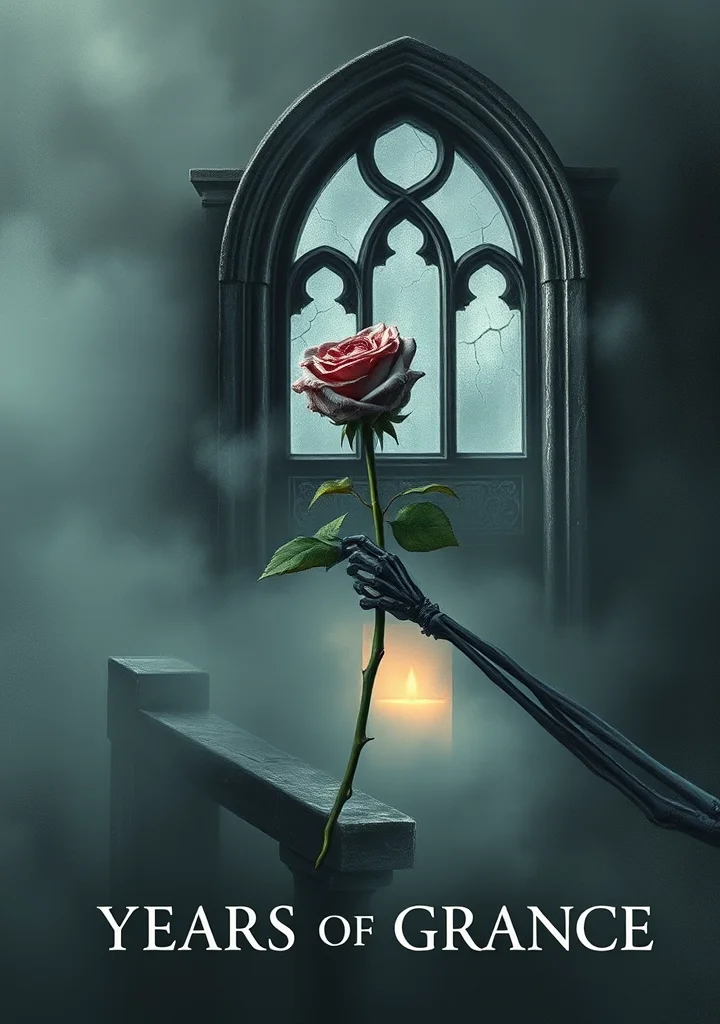
The narrative is less a linear progression than a haunting procession of characters—a spectral cavalcade of priests, peasants, and fallen aristocrats—each touched by Gösta’s wandering hand. Their lives intertwine and unravel amidst the harsh beauty of the Scandinavian landscape, stained crimson by autumn’s decay. A simmering, fatalistic romance blooms within the confines of Ylva's decaying manor, shadowed by the specter of Gösta's past and the encroaching darkness of a world indifferent to honor or grace. Every whispered confidence, every stolen glance, is laced with the premonition of tragedy—a world where salvation is a fragile illusion and the echoes of loss resonate through generations. The very stones of the estates seem to weep with forgotten grief, absorbing the stories Gösta tells until they become indistinguishable from the land’s own ancient sorrow.
Copyright: Public Domain
This license allows anyone to use your story for any purpose, including printing, selling, or adapting it into a film freely.
This license allows anyone to use your story for any purpose, including printing, selling, or adapting it into a film freely.
Chapter List
-
« The Story of Gösta Berling »📖 Continue Reading
-
« Translator’s Preface »
-
« The Story of Gösta Berling »
-
« Introduction »
-
« I »
-
« II »
-
« I »
-
« II »
-
« III »
-
« IV »
-
« V »
-
« VI »
-
« VII »
-
« VIII »
-
« IX »
-
« X »
-
« XI »
-
« XII »
-
« XIII »
-
« I »
-
« II »
-
« III »
-
« IV »
-
« V »
-
« VI »
-
« VII »
-
« VIII »
-
« IX »
-
« X »
-
« XI »
-
« XII »
-
« XIII »
-
« XIV »
-
« XV »
-
« XVI »
-
« XVII »
-
« XVIII »
-
« XIX »
-
« XX »
-
« XXI »
-
« XXII »
-
« XXIII »
42
-
« The Story of Gösta Berling »
-
« Translator’s Preface »
-
« The Story of Gösta Berling »
-
« Introduction »
-
« I »
-
« II »
-
« I »
-
« II »
-
« III »
-
« IV »
-
« V »
-
« VI »
-
« VII »
-
« VIII »
-
« IX »
-
« X »
-
« XI »
-
« XII »
-
« XIII »
-
« I »
-
« II »
-
« III »
-
« IV »
-
« V »
-
« VI »
-
« VII »
-
« VIII »
-
« IX »
-
« X »
-
« XI »
-
« XII »
-
« XIII »
-
« XIV »
-
« XV »
-
« XVI »
-
« XVII »
-
« XVIII »
-
« XIX »
-
« XX »
-
« XXI »
-
« XXII »
-
« XXIII »
More like this