
-
Read 338
-
0
-
Part 17
Completed, First published Mar 02, 2026
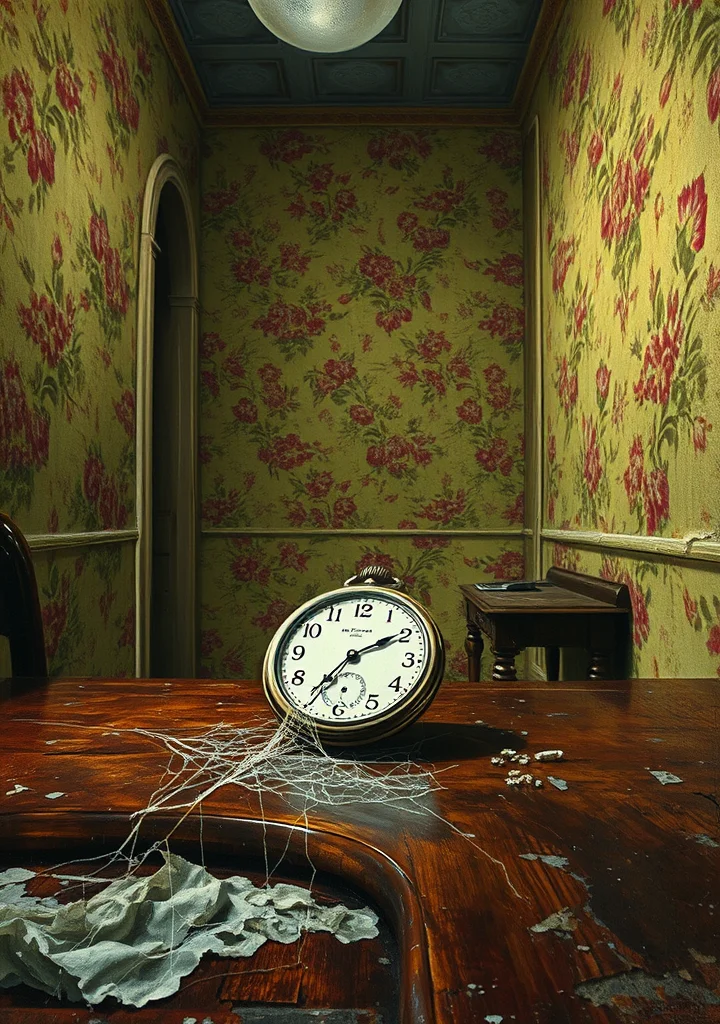
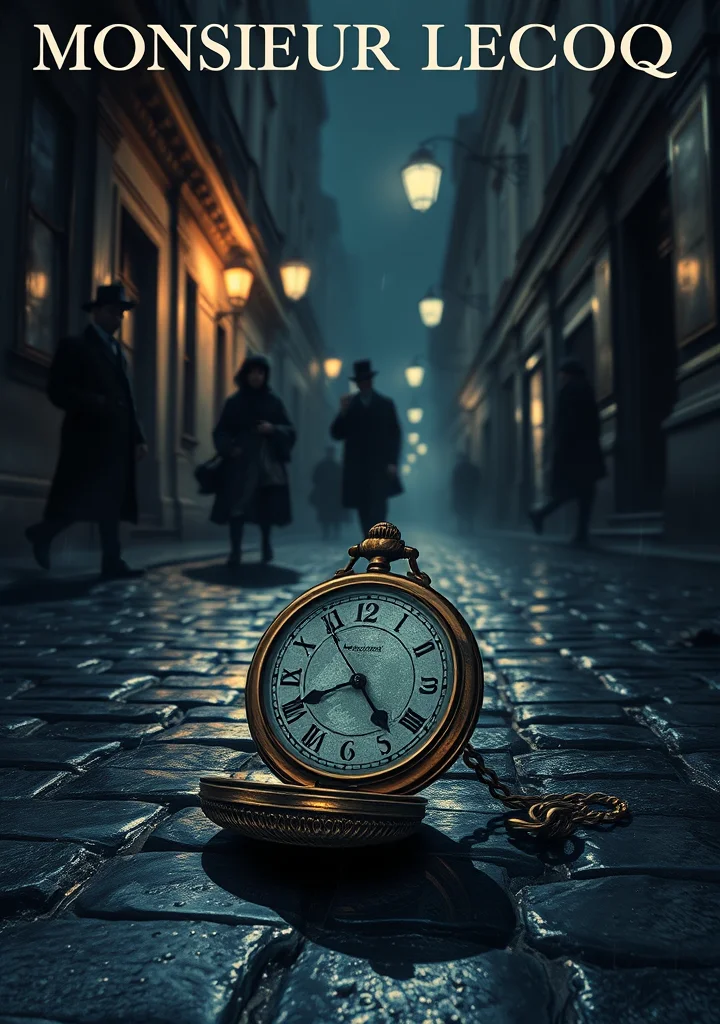
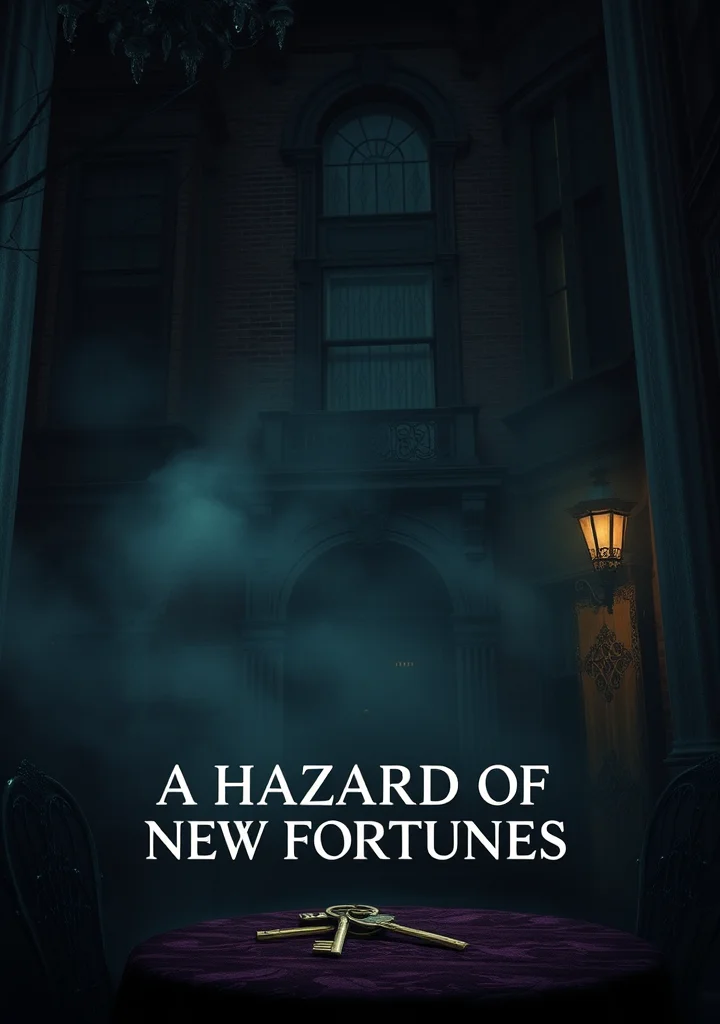
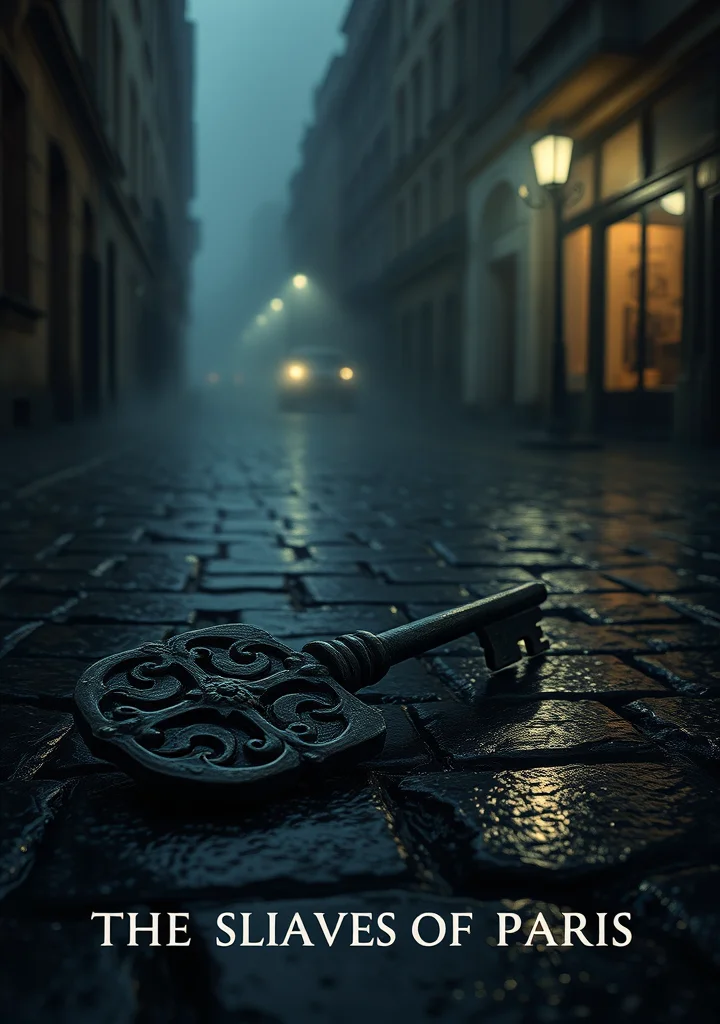
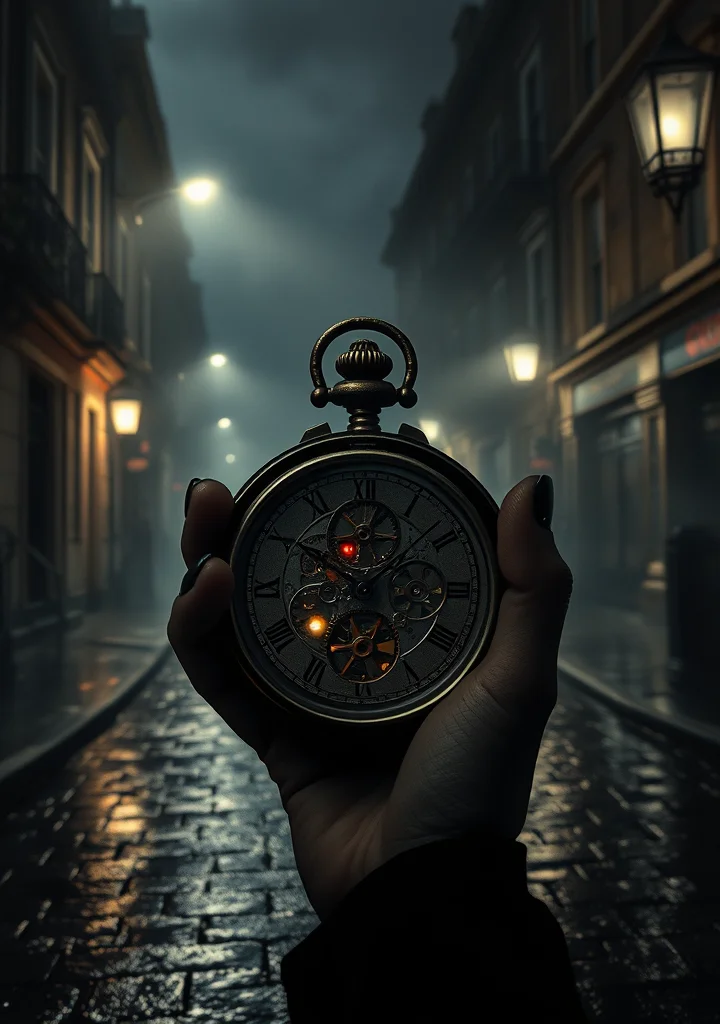
A perpetual London fog clings to the shadowed alleys where Wallace’s narrative unfolds, thick with the stench of coal smoke and suppressed despair. The Council, a clandestine brotherhood operating beyond the reach of Scotland Yard, doesn’t mete out justice—it *becomes* it, a chilling calculus of retribution delivered in whispers and shadowed rooms. Every cobbled street pulses with the echo of past crimes, each gas lamp illuminating faces haunted by debts paid in blood and silence. The narrative unravels like a tightening noose around a condemned man, drawing the reader into a labyrinthine plot where moral boundaries blur with each ticking clock. Wallace doesn’t reveal his horrors; he lets them seep into your pores like the damp rot of the city itself. Expect a suffocating sense of dread, a world where innocence is merely a reprieve before the inevitable reckoning, and where the very stones of London seem to weep with the weight of unspoken horrors. The Council’s judgements are not swift executions, but prolonged, elegant decays—a slow poisoning of the soul, witnessed through the eyes of those desperately trying to remain untouched by the rot. The air tastes of ash and regret, and the only certainty is that every act of mercy will be met with a consequence far darker than any imagined sin.
Copyright: Public Domain
This license allows anyone to use your story for any purpose, including printing, selling, or adapting it into a film freely.
This license allows anyone to use your story for any purpose, including printing, selling, or adapting it into a film freely.
More like this