
Uncle Vanya
  • 247
  • 0
  • 7
  • Read 247
  • 0
  • Part 7
Completed, First published Mar 02, 2026

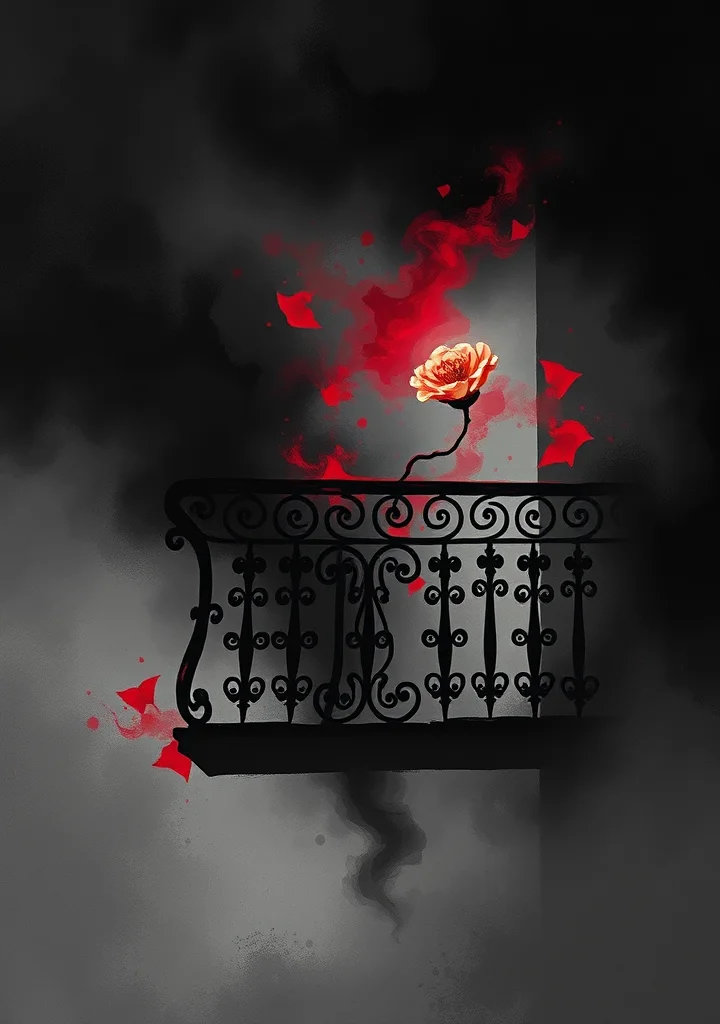
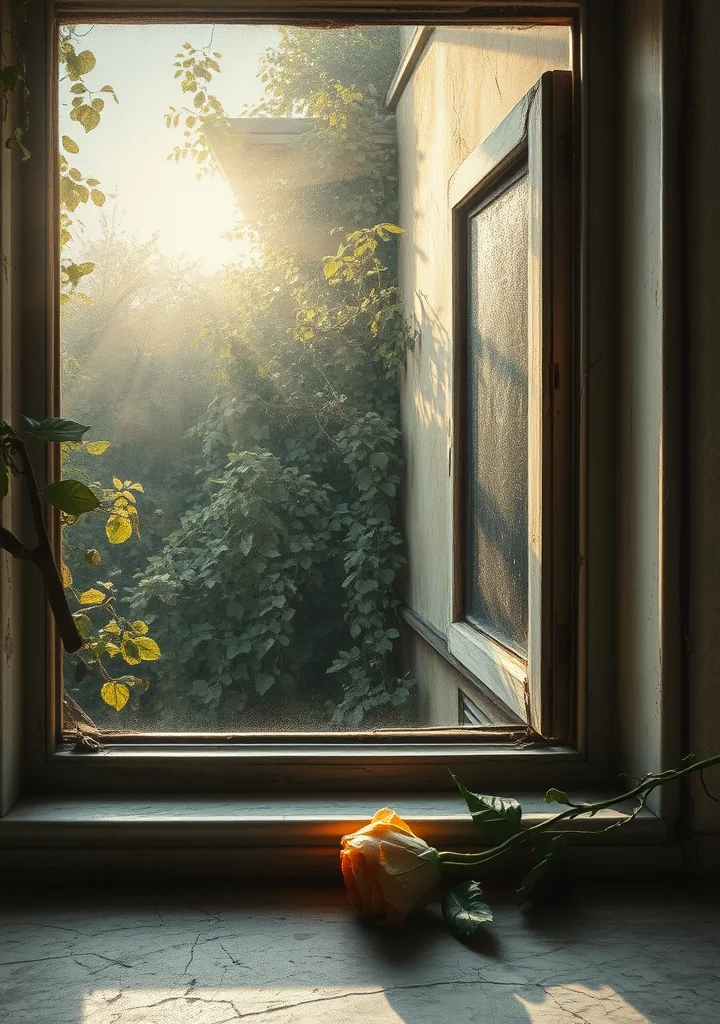
Dust motes dance in the perpetual twilight of a crumbling estate, where the scent of damp earth and decaying roses clings to every shadowed corner. A weight of unspoken regret hangs thick as the summer humidity, pressing down on lives withered by wasted years and unrequited longing. The estate breathes with a melancholy that seeps into the very timbers of the house, mirroring the slow rot of its inhabitants. Days bleed into one another, marked only by the mournful chime of distant bells and the rustle of leaves in the overgrown orchard. A palpable sense of loss permeates the air, not of a singular tragedy, but of a gradual, insidious erosion of hope. The conversations, brittle and laced with bitterness, circle around absences – a lost love, a vanished purpose, a life unlived. Every glance is haunted by what *could* have been, every silence echoes with the ache of what *is*. The oppressive stillness is broken only by the intermittent crack of a rifle shot in the woods, a sound that feels less like a hunt and more like a desperate plea against the encroaching darkness, both within and without. It is a world steeped in the amber light of fading memories, where every gesture is a ghost of intention and every breath carries the weight of unfulfilled desires. The estate itself becomes a character, a silent, crumbling witness to the unraveling of lives, its decay mirroring the slow disintegration of the soul.
Copyright: Public Domain
This license allows anyone to use your story for any purpose, including printing, selling, or adapting it into a film freely.
More like this

21 Part
The salt-crusted stones of Sardinia bear witness to a grief older than the granite they’re carved from. Here, where the wind tastes of brine and regret, a woman named Agata is not merely unbound from her marriage, but *unmade* by it. The aftermath isn’t freedom, but a slow, creeping dissolution into the landscape’s own desolate heart. Her house, once a haven, becomes a hollow echo of her former life, each room breathing with the ghost of a husband lost to the sea and a daughter consumed by a feverish, silent grief. Days bleed into nights under a bruised, plum-colored sky, mirroring Agata’s descent into a melancholic trance. The scent of myrtle and decay clings to everything, a suffocating sweetness that masks the bitterness of her solitude. The villagers whisper of curses and ill-omens, claiming the house itself mourns alongside Agata, absorbing her sorrow into its very foundations. But there’s a deeper current beneath the surface - a haunting awareness of the sea's cold embrace, a primal fear that her husband’s fate isn’t merely watery oblivion, but a claiming by something ancient and hungry. It’s a world where the lines between the living and the dead blur with the rising mist, and Agata’s unraveling is less a story of heartbreak than a surrender to the island's shadowed dominion. Every creak of the floorboards, every cry of the seabirds, feels like a warning – a chilling promise that even in letting go, she is irrevocably bound to the ghosts of her past.


7 Part
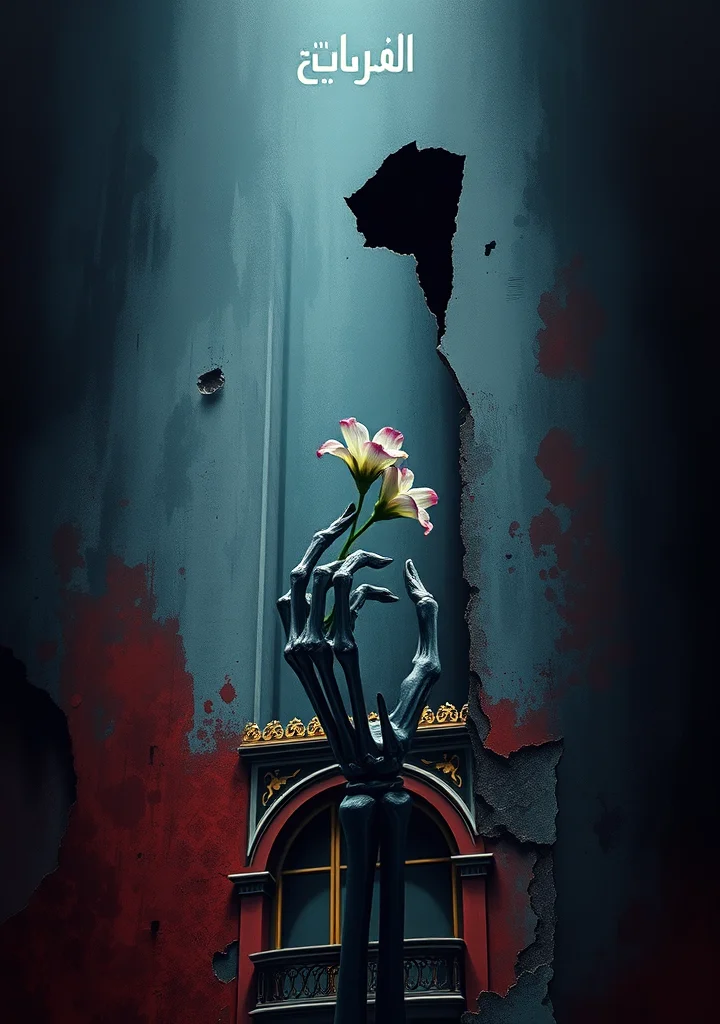
A suffocating stillness clings to the Gabler estate, a mausoleum of inherited wealth and decaying ambition. Within its shadowed parlors, Hedda, a bride newly returned, breathes a discontent that curdles the air. Not a tale of spectral hauntings, but of a hollowness that consumes from within. The scent of withered blooms and unsent letters permeates every room, mirroring the slow rot of Hedda’s spirit. A suffocating marriage, a stifled legacy—these become the bars of her gilded cage. The narrative unfolds as a slow bleed of frustration, a poisonous flowering of cruelty masked by polite society’s veneer. Each conversation, a brittle exchange of veiled threats and unspoken desires. A creeping dread settles with the dusk, fueled by whispered secrets and the echoes of past tragedies. The estate itself becomes a character, its oppressive architecture mirroring Hedda’s constriction, the scent of decay clinging to her every action. The air thickens with the weight of unfulfilled longing, a perverse obsession with control blooming in the shadows of her discontent. A sense of inevitable collapse permeates the story, not through grand catastrophe, but through the quiet, agonizing unraveling of a woman suffocated by expectation, driven to desperate measures within the suffocating confines of her own making. The ending lingers not as a resolution, but as a chilling residue—a cold, elegant despair that seeps into the very foundations of the house and the reader’s soul.